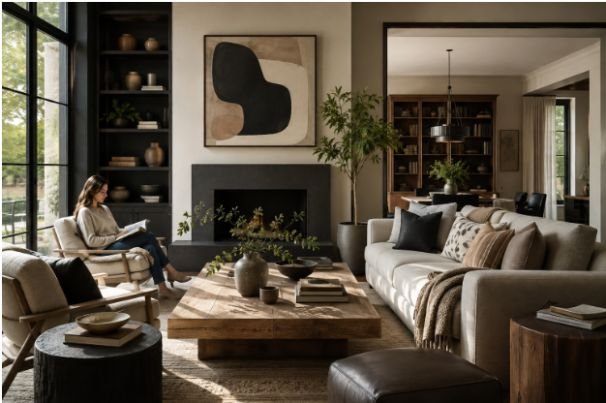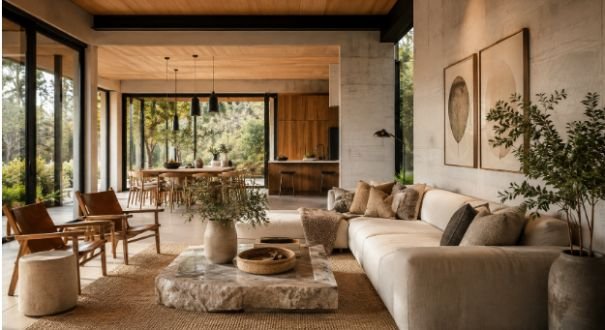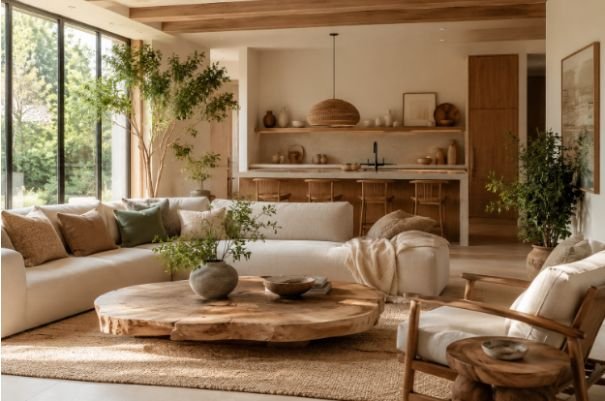
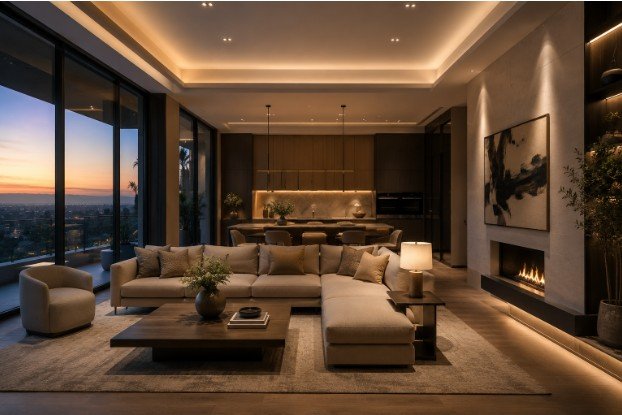
I have always noticed that a beautifully designed room can still feel slightly off when the lighting is wrong. Expensive materials, custom furniture, and carefully chosen finishes lose some of their impact when a ceiling fixture throws a harsh pool of light across everything. The rooms that feel the most inviting usually have a softer glow coming from several directions.
Luxury lighting works best when it doesn’t immediately announce itself. A concealed strip beneath a shelf, a warm wash across a stone wall, or a dimmed pendant over a dining table can change the entire mood without making the lighting feel like the main attraction. That subtlety is what makes ambient lighting for luxury homes so effective.
Why Ambient Lighting Changes the Feel of a Luxury Home
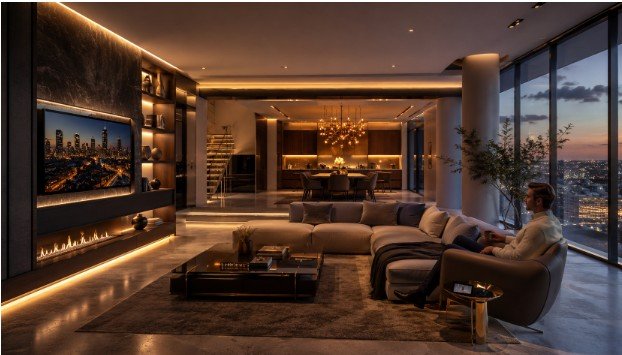
Ambient lighting provides the overall illumination that allows a room to feel comfortable and usable. In a luxury home, it does more than brighten a space. It softens large rooms, highlights architectural proportions, and enhances natural materials.
The key is avoiding a single overpowering light source. One bright fixture often creates glare and harsh shadows, while layered lighting spreads illumination more evenly. Hidden sources can wash ceilings or walls, recessed fixtures can provide practical coverage, and decorative fixtures can add personality.
This combination creates depth. Instead of seeing a room as one flat space, the eye moves across textures, surfaces, and architectural details, making the environment feel richer and more intentional.
Start With Layers Instead of One Bright Light
A layered approach gives luxury interiors a more controlled and natural appearance. Ambient lighting should act as the foundation, with additional layers adding dimension and mood.
Build a Soft Base
Cove lighting is one of the most effective ways to create a gentle foundation. LED strips hidden in ceiling recesses can cast light upward or across walls without revealing the source. This produces a soft glow that feels built into the architecture.
Recessed downlights add another layer, especially when designed with anti-glare features. When placed carefully, they illuminate key areas without creating harsh hotspots.
Perimeter lighting can also make a room feel more open. Washing light across walls reduces dark corners and highlights materials like stone, plaster, or wood paneling.
Add Depth With Indirect Illumination
Some of the most refined lighting effects come from hidden placements. Linear LEDs can be installed under floating stairs, behind shelving, inside cabinetry, or along architectural recesses.
These details create a floating effect and add depth without visual clutter. They are especially effective in modern interiors where simplicity and clean lines are essential.
This approach aligns well with how to create an organic modern living space, where natural materials and subtle design choices matter more than decorative excess.
Choose a Warm Color Temperature for a Softer Atmosphere
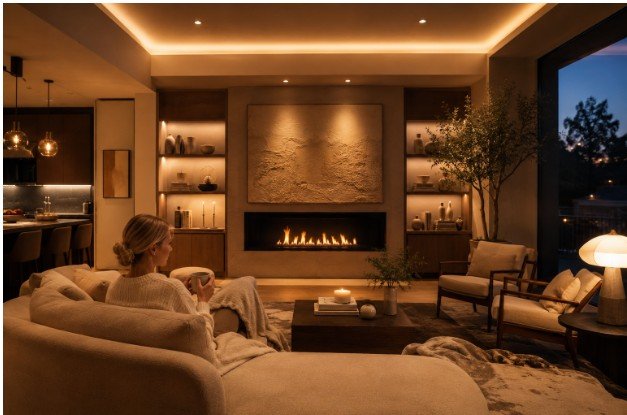
Color temperature has a major impact on mood. For living rooms, bedrooms, and relaxation areas, warm light between 2200K and 2700K creates a comfortable, inviting atmosphere.
Cooler light can feel sharp and modern, but in residential spaces it may appear too clinical if overused. Warm lighting enhances materials like wood, linen, marble, and brushed metal, making them feel more natural and refined.
High color rendering is also important. A CRI of 90 or above ensures that colors appear accurate and materials retain their true character. This is especially valuable in spaces with artwork, textiles, or natural stone.
Match Lighting to the Materials in Your Home
Lighting should respond to the surfaces it touches rather than treating every room the same way.
Stone with natural veining becomes more dramatic when grazed with directional light. Wood appears warmer under soft illumination, while polished surfaces require careful placement to avoid glare. Textured walls benefit from angled lighting that reveals depth through shadow.
Fixtures themselves should also complement the space. Sculptural pendants, glass chandeliers, and refined sconces can act as design features. Brass and bronze finishes often work well in luxury interiors because they add warmth without overwhelming neutral palettes.
The goal is not perfect matching, but a balanced relationship between light, material, and architecture.
Use Dimmers to Change the Mood Throughout the Day
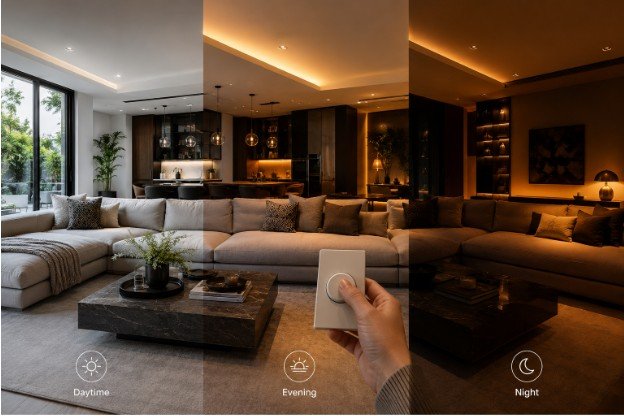
A luxury lighting system should not remain static throughout the day.
Dimmable zones allow different parts of a room to adjust independently. Brighter settings can be used during daytime activity, while lower levels create a relaxed evening atmosphere. Smart controls make it easy to switch between lighting scenes.
For example, a daytime setting may keep ceiling lights brighter, while a dinner setting reduces overhead brightness and highlights the dining area. Evening scenes can lower overall intensity and emphasize architectural accents.
Automated systems can also adjust warmth and brightness gradually as natural light fades, creating a smooth transition from day to night.
Avoid Lighting Mistakes That Flatten a Luxury Interior
One common mistake is over-lighting a space. Too many bright fixtures can remove shadows and make textures appear flat, reducing visual interest.
Another issue is glare. Poorly placed recessed lights can sit directly in sightlines, disrupting the calm feel of a room. Lighting should always be positioned with furniture and movement in mind.
It is also important not to rely too heavily on decorative fixtures. A chandelier may be beautiful, but without supporting ambient lighting, it can feel isolated rather than integrated.
Let Lighting Work With the Architecture
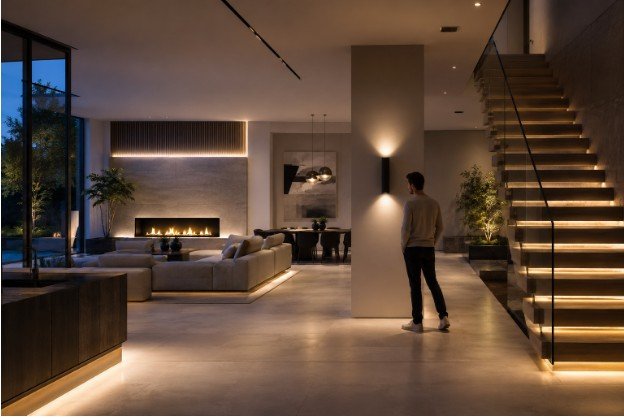
The most successful luxury interiors treat lighting as part of the architecture itself. Light can define ceilings, highlight walls, emphasize staircases, and draw attention to sculptural elements.
When used thoughtfully, ambient lighting becomes more than decoration. It shapes how a space is experienced, how materials are perceived, and how comfortable a room feels throughout the day.
FAQs: Ambient Lighting for Luxury Homes That Balances Comfort and Elegance
What color temperature works best for luxury homes?
Warm white light between 2200K and 2700K is ideal for creating a comfortable and elegant atmosphere in living spaces and bedrooms.
Is recessed lighting enough for a luxury interior?
Not on its own. Recessed lighting works best as part of a layered system that includes indirect lighting, decorative fixtures, and lamps.
Why is high CRI important?
A high CRI ensures that colors and materials appear natural and accurate. A rating of 90 or above is recommended for high-end interiors.
Are smart lighting controls worth it?
Yes, especially in larger homes. They allow easy adjustment of brightness and mood through dimming zones and preset scenes.
Why Good Lighting Is Felt Before It Is Noticed
The best ambient lighting does not demand attention. Instead, it quietly enhances comfort, balance, and atmosphere. It allows materials to feel authentic, adds depth to architecture, and makes large spaces feel inviting rather than empty.
Luxury design is often defined by these subtle details. When lighting supports the space instead of competing with it, comfort and elegance naturally come together.