
I used to associate sophistication with expensive clothes, perfect homes, and exclusive experiences. Over time, I realized that refinement has much more to do with how I manage ordinary moments. The way I begin my morning, communicate with others, care for my surroundings, and use technology shapes how my life feels.
Adopting everyday habits for sophisticated modern living does not require a dramatic transformation or an unlimited budget. It means replacing unnecessary chaos with thoughtful routines. The following habits can make daily life feel calmer, more polished, and genuinely fulfilling.
1. Begin the Morning Without Your Phone
Reaching for notifications immediately after waking allows other people’s priorities to control the start of the day. Create a short phone-free period instead.
Open the curtains, drink water, stretch, or sit quietly before checking messages. Even ten uninterrupted minutes can help you begin with greater clarity. Leave your phone across the room overnight if resisting it feels difficult.
2. Dress With Intention
Sophisticated style is not defined by designer labels. Clean, well-fitting clothes that suit the day usually appear more polished than expensive pieces chosen without care.
Prepare your outfit the night before, maintain your shoes, and address damaged buttons or loose hems promptly. A simple personal uniform can also reduce decisions. The goal is to feel prepared and comfortable rather than overdressed.
3. Reset Rooms After Using Them

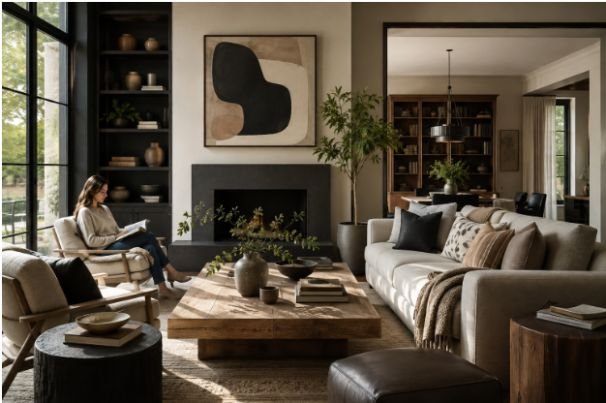
An elegant home does not have to be large or perfectly decorated. It should feel cared for. Return objects to their proper places, clear kitchen surfaces after preparing food, and straighten cushions before leaving a room.
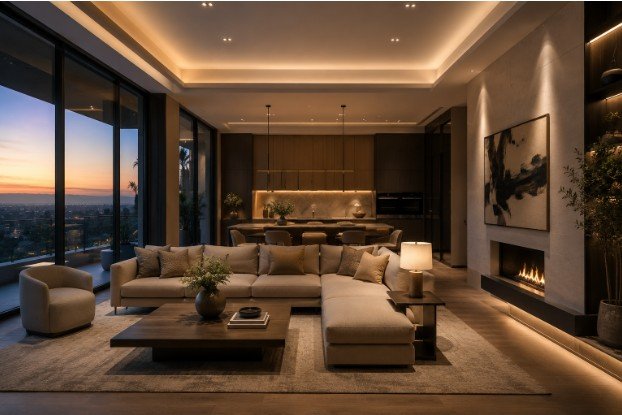
For homeowners managing larger or more complex properties, a periodic luxury home inspection checklist for buyers can also serve as a useful reference for checking maintenance-sensitive areas, major systems, finishes, and potential problems before they become disruptive.
Try the Two-Minute Reset
Set a timer for two minutes whenever you finish an activity. Put away the items you used and prepare the space for its next purpose. These tiny resets prevent disorder from becoming an exhausting weekend project.
4. Choose Fewer, Better Possessions
Sophisticated living favors usefulness, durability, and personal meaning over constant accumulation. Before purchasing something, consider whether it solves a real problem and complements what you already own.
Introduce a 24-hour waiting period for unplanned purchases. For expensive nonessential items, wait several days. This pause separates genuine needs from temporary excitement and encourages more deliberate spending.
5. Create Boundaries Around Technology
Modern technology should support life rather than continually interrupt it. Disable nonessential notifications and assign specific times for email and social media.
Keep meals, conversations, and the final part of the evening as screen-light periods. Giving people your full attention is one of the most refined forms of courtesy. Digital boundaries can also protect concentration and make leisure feel more restorative.
6. Maintain a Life-Admin System
Appointments, bills, maintenance tasks, and unanswered messages create mental clutter when they remain unorganized. Choose one calendar and one dependable task list instead of storing reminders in several places.
Home management can also include periodically reviewing luxury home security features such as smart locks, surveillance cameras, access controls, alarms, and backup systems to ensure they remain reliable and up to date.
Schedule a monthly life-admin session to review finances, upcoming commitments, subscriptions, documents, and household needs. A reliable system makes life appear effortless because important details receive attention before they become emergencies.
7. Communicate With Care

Polished communication begins with listening. Allow people to finish speaking, ask thoughtful follow-up questions, and avoid turning every conversation back to yourself.
Speak clearly without rushing. Replace impulsive reactions with a short pause, especially during disagreements. Sophistication is visible in how respectfully someone handles inconvenience, correction, and different opinions.
8. Make Ordinary Meals Feel Deliberate
A refined meal does not need complicated recipes or formal tableware. Sit down, remove distracting screens, and serve food neatly rather than eating directly from its packaging.
Use a glass you enjoy, place a napkin beside the plate, and slow down enough to notice the flavors. These small rituals turn a routine necessity into an enjoyable pause in the day.
9. Protect Your Physical Energy
Consistent sleep, regular movement, hydration, and balanced meals support nearly every other positive routine. Without sufficient energy, organization and patience become harder to maintain.
Choose realistic actions you can repeat. A short walk, a dependable bedtime, or several minutes of stretching is more valuable than an ambitious routine abandoned after a week. Seek qualified professional advice when making decisions about individual health concerns.
10. Make Space for Culture and Curiosity
A sophisticated life includes more than productivity and appearance. Read books from different perspectives, listen to unfamiliar music, visit cultural spaces, learn about art, or develop a practical skill.
Keep a list of subjects you want to explore and reserve a small period each week for learning. Genuine curiosity strengthens conversation, empathy, creativity, and independent thought.
11. Practice Thoughtful Hospitality

Hospitality is the ability to help another person feel comfortable and welcome. It does not require an elaborate dinner or a flawless home.
Offer a drink, remember preferences, introduce guests who do not know each other, and stay present during the visit. Thoughtfulness matters more than display. Simple preparation allows both the host and the guest to enjoy the occasion.
12. Complete an Evening Closing Routine
End the day by preparing for tomorrow. Wash remaining dishes, clear one visible surface, check the next day’s schedule, choose clothing, and place essential items near the door.
Keep this closing routine between ten and fifteen minutes. Dim the lights afterward and move toward a consistent bedtime. Waking to an orderly environment makes the next morning feel calmer before it has even begun.
How to Make These Habits Last
Do not attempt all twelve changes immediately. Choose one habit that would remove the greatest amount of friction from your current routine.
Attach it to something you already do. For example, complete the room reset after dinner or review tomorrow’s schedule after brushing your teeth. Keep the action small until it feels natural, then add another. Consistency produces refinement more reliably than perfection.
Frequently Asked Questions
1. What are everyday habits for sophisticated modern living?
They are repeatable actions that bring greater intention, order, courtesy, and quality to ordinary life. Examples include maintaining an organized home, managing technology thoughtfully, communicating respectfully, and purchasing possessions carefully.
2. Does sophisticated living require a large budget?
No. Many of its most valuable elements—punctuality, good manners, organization, attentive listening, cleanliness, and restraint—cost little or nothing. Thoughtful choices are more important than expensive products.
3. How long does it take to establish a refined routine?
The timeline differs for every person and habit. Begin with an action small enough to repeat consistently. Focus on returning to the routine after interruptions rather than achieving a perfect record.
4. What is the easiest habit to start today?
Complete a ten-minute evening reset. Clear one surface, prepare what you need for tomorrow, and check your schedule. This single practice can improve both your home and your morning.
A More Refined Way Forward
I no longer see sophistication as something reserved for special occasions. I find it in a calm morning, a cared-for room, an attentive conversation, and a decision made with intention.
These habits work because they make ordinary life better rather than merely making it look impressive. I would begin with one small ritual, practice it consistently, and allow genuine refinement to develop naturally.