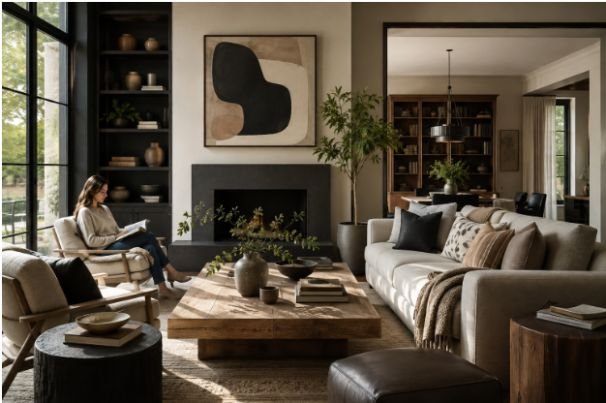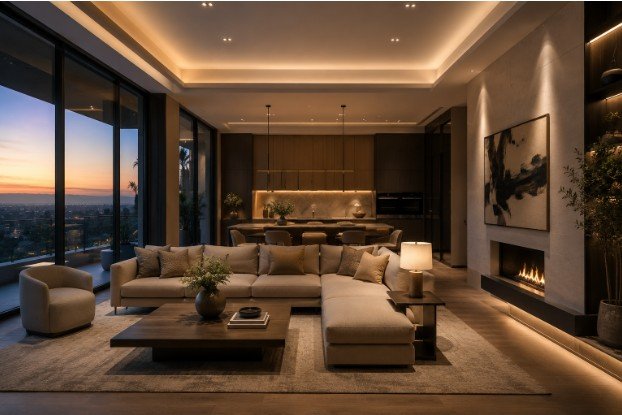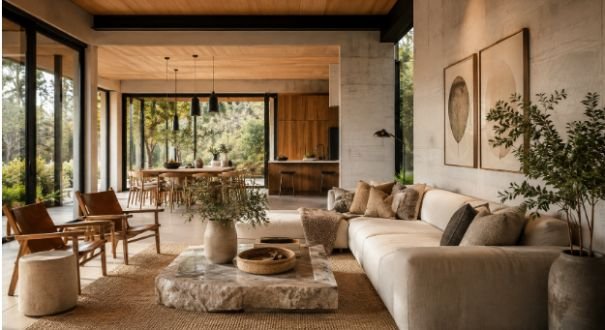
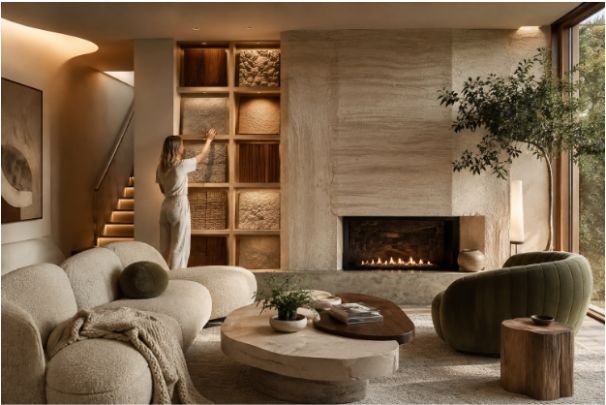
I started noticing a change in the way modern interiors were being photographed and described. Rooms that once looked impressive because every surface was smooth, crisp, and perfectly finished began feeling a little too distant. The spaces that caught my attention had something else going on: rough stone beside soft fabric, wood with visible grain, plaster with gentle variation, and furniture that almost made you want to reach out and touch it.
I also found that this shift was not really about adding more decoration. It was about making a room feel better to live in. A textured wall, a linen sofa, or a carved wood detail can create warmth without filling a space with objects. That balance is one reason tactile design feels so relevant now, especially as contemporary homes move toward interiors that feel personal, comfortable, and less manufactured.
Why Tactile Design Is Becoming So Popular
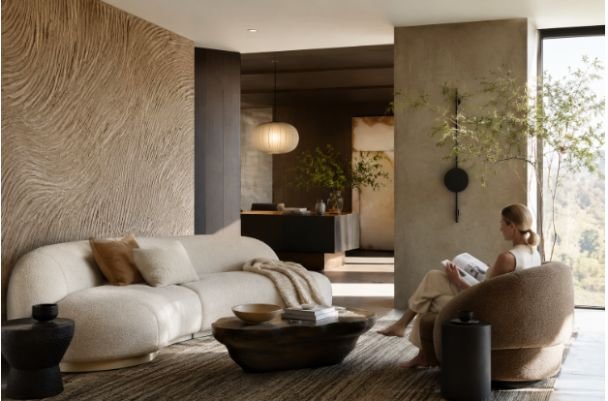
Tactile interior design is built around materials and finishes that create a physical or visual sense of texture. Instead of relying on perfectly flat surfaces, designers are introducing depth through natural variation, soft fabrics, irregular finishes, and handcrafted details.
The appeal goes beyond appearance. Texture can change how a room feels emotionally. A smooth stone surface can bring a sense of calm and permanence, while wool, boucle, and linen make seating areas feel softer and more inviting. Rough plaster or unfinished wood can add character without requiring bold colors or elaborate decoration.
This also reflects a broader change in interior design. Current 2026 design coverage points toward homes becoming warmer, more layered, personal, and lived-in rather than strictly minimalist.
Natural Materials Are Taking Center Stage
Natural materials are at the heart of many tactile interior design trends because they already contain variation that manufactured surfaces often try to imitate.
Lime plaster and clay finishes are particularly effective on walls. Their chalky surfaces catch natural light differently throughout the day, creating subtle movement without the need for patterns or artwork. The result can feel quiet but never completely flat.
Wood brings another layer of warmth. Oak, walnut, reclaimed timber, and other species with visible grain can be used for cabinetry, furniture, wall panels, or architectural details. Darker woods are making a comeback and also gaining attention as designers look for materials with more character and depth.
Stone provides contrast. Travertine, limestone, marble, and other natural stones can introduce coolness and weight beside warmer materials. Rather than using one stone throughout a room, mixing finishes and varieties can make the space feel collected instead of overly coordinated.
The New Luxury Is About Material Contrast
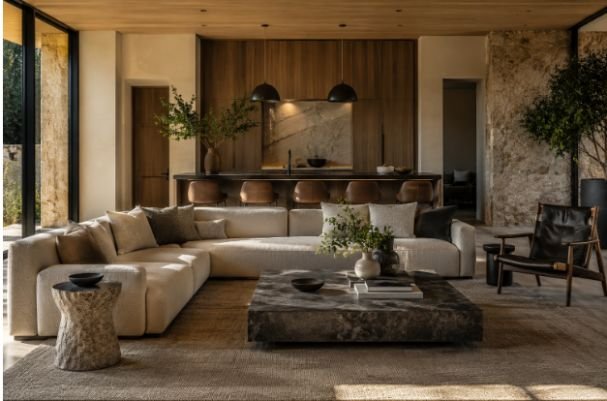
Luxury interiors are increasingly moving away from obvious shine and toward the quality of materials themselves.
A honed stone countertop beside brushed metal can feel richer than a room filled with polished finishes. Rough plaster next to smooth wood creates a quiet tension. A soft upholstered chair against a carved timber table gives the eye and hand different experiences.
This contrast is what keeps tactile rooms from becoming visually monotonous. The goal is not to make everything textured. It is to create enough variation that each material has room to be noticed.
Lighting matters here, too. Carved, etched, or hand-finished lighting can become a tactile feature rather than simply a source of illumination. Homes & Gardens has also highlighted the growing interest in sculptural lighting made from materials such as alabaster, travertine, aged brass, bronze, and glass.
How to Add Texture Without Creating Clutter
The easiest mistake with tactile design is assuming that more texture automatically means a better result. It doesn’t.
Start with the largest surfaces. A textured plaster wall, natural wood floor, or stone fireplace can establish the foundation. Then add smaller layers through upholstery, rugs, curtains, or accessories.
This is where refined minimalist interiors can offer a useful starting point. Minimalism does not have to mean eliminating texture. Keeping the furniture and color palette restrained allows individual materials to become the focus.
It also helps to vary texture rather than repeat it everywhere. Pair something rough with something smooth, something soft with something structured, and matte surfaces with limited touches of sheen. Repeating one material too many times can make the room feel predictable.
Handmade Details Are Giving Homes More Character
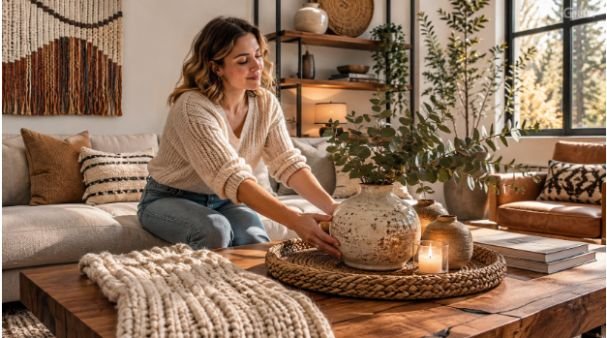
One of the most interesting parts of the tactile movement is the renewed appreciation for things that show how they were made.
Hand-thrown ceramics, carved wood, forged metal, woven pieces, imperfect stone, and vintage textiles can introduce small variations that mass-produced objects often lack. These imperfections can make a room feel more personal because they suggest history, craftsmanship, and human involvement.
Vogue’s 2026 interiors coverage describes a similar move toward lived-in homes, natural materials, visible craftsmanship, and objects with a stronger sense of authorship.
That doesn’t mean every room needs to look rustic. A handmade ceramic vase can sit comfortably on a sleek console. A vintage chair can work beside contemporary cabinetry. The contrast is often what makes the combination interesting.
FAQs: The Rise of Tactile Interior Design Trends in Contemporary Homes
What is tactile interior design?
Tactile interior design uses materials, finishes, and furnishings that create a strong sense of touch or physical depth. Common examples include natural wood, stone, plaster, boucle, linen, wool, and carved surfaces.
Why are tactile interiors becoming popular?
They make homes feel warmer, more comfortable, and more personal. They also offer visual depth without relying heavily on decoration or bold patterns.
Which materials work best for tactile interiors?
Natural wood, stone, lime plaster, clay finishes, linen, wool, boucle, woven fibers, and handmade ceramics are versatile choices. Combining different textures usually creates more depth than repeating one material.
Can tactile design work in a minimalist home?
Yes. In fact, restrained spaces can make texture more noticeable. Keeping the palette simple and using a few carefully chosen materials can create warmth without sacrificing a clean aesthetic.
Why Texture May Matter More Than Decoration
The lasting appeal of tactile design comes from the fact that it changes how a home is experienced, not just how it looks in photographs. Natural materials catch light differently, fabrics invite touch, and handmade objects introduce small irregularities that make a room feel less manufactured. These qualities can give even a contemporary space a sense of age, comfort, and personality.
The strongest interiors are unlikely to be the ones with the most texture. They will be the ones where every material has a reason to be there. When warmth, contrast, craftsmanship, and restraint work together, a home can feel sophisticated without ever feeling overly styled.