
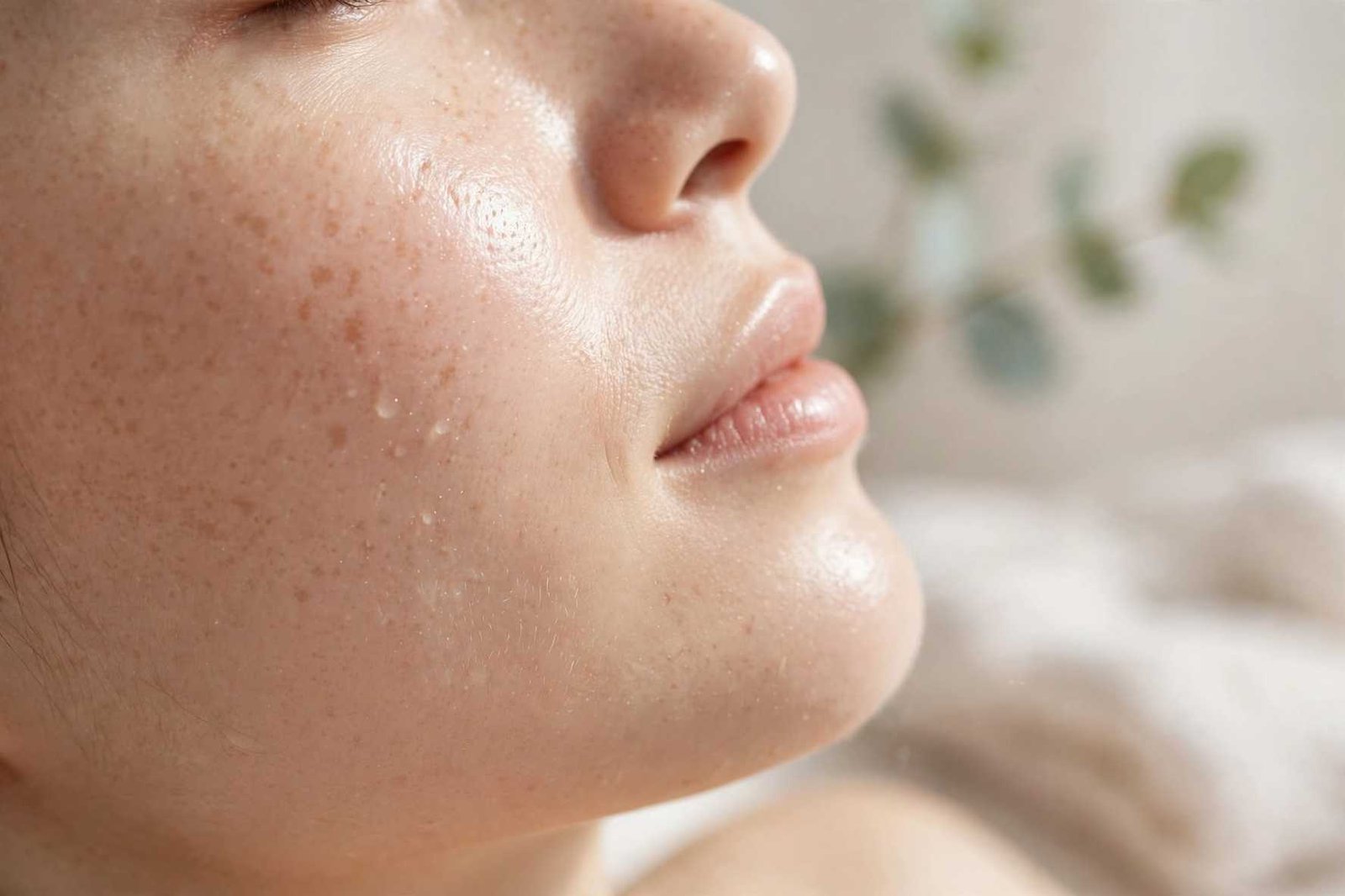
The human skin barrier serves as an essential biological shield, protecting internal tissues from environmental aggressors while locking in critical moisture.
Composed of specialized skin cells and intercellular lipids, this outer stratum corneum functions much like a durable brick-and-mortar wall.
When this microscopic structure suffers disruption, your complexion becomes vulnerable to dehydration, microbial proliferation, and persistent inflammation.
Understanding how to detect early structural distress, eliminate underlying irritants, and restore balance allows you to achieve calm, resilient, and comfortable skin.
1. Recognizing the Signs of a Compromised Barrier
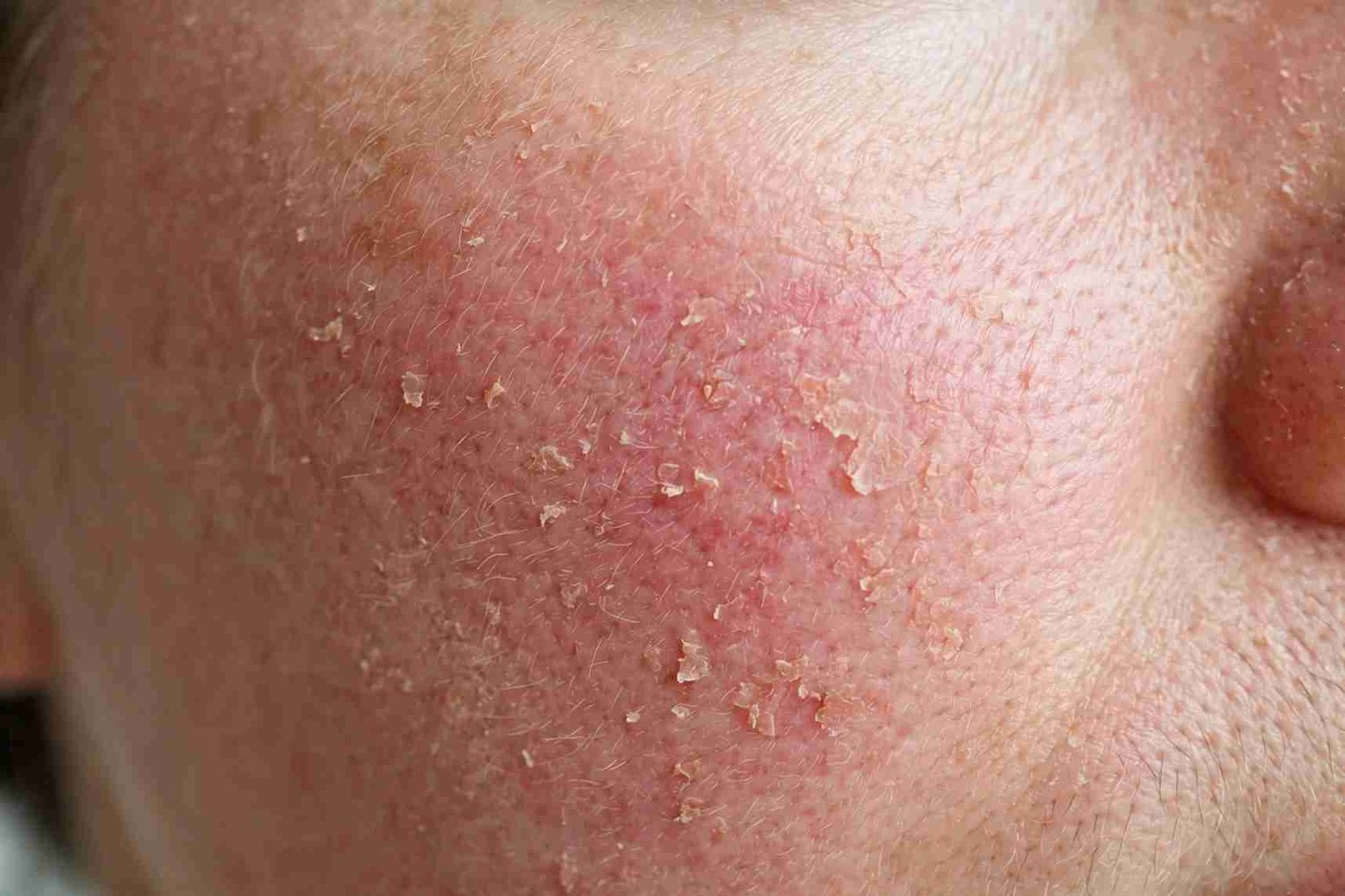
Identifying barrier disruption early prevents deeper tissue damage and long-term inflammation.
Persistent Redness and Chronic Irritation
A weakened barrier allows external irritants to reach nerve endings. This exposure causes recurring erythema, flushed cheeks, and uncomfortable heat. Skin that looks perpetually inflamed often indicates that the protective lipid matrix has worn thin.
Stinging Sensations During Product Application
When safe, gentle hydrators create stinging or burning upon contact, microscopic cracks have formed in the outer layer. These tiny fissures allow standard cosmetic formulas to trigger defensive sensory responses.
Tightness, Flaking, and Dehydration Lines
Skin lacking proper lipid seals cannot hold onto water through natural epidermal processes. Even oily skin types can display fine dehydration lines, noticeable rough patches, and persistent tightness immediately after cleansing.
2. Pinpointing Common Environmental and Topical Causes
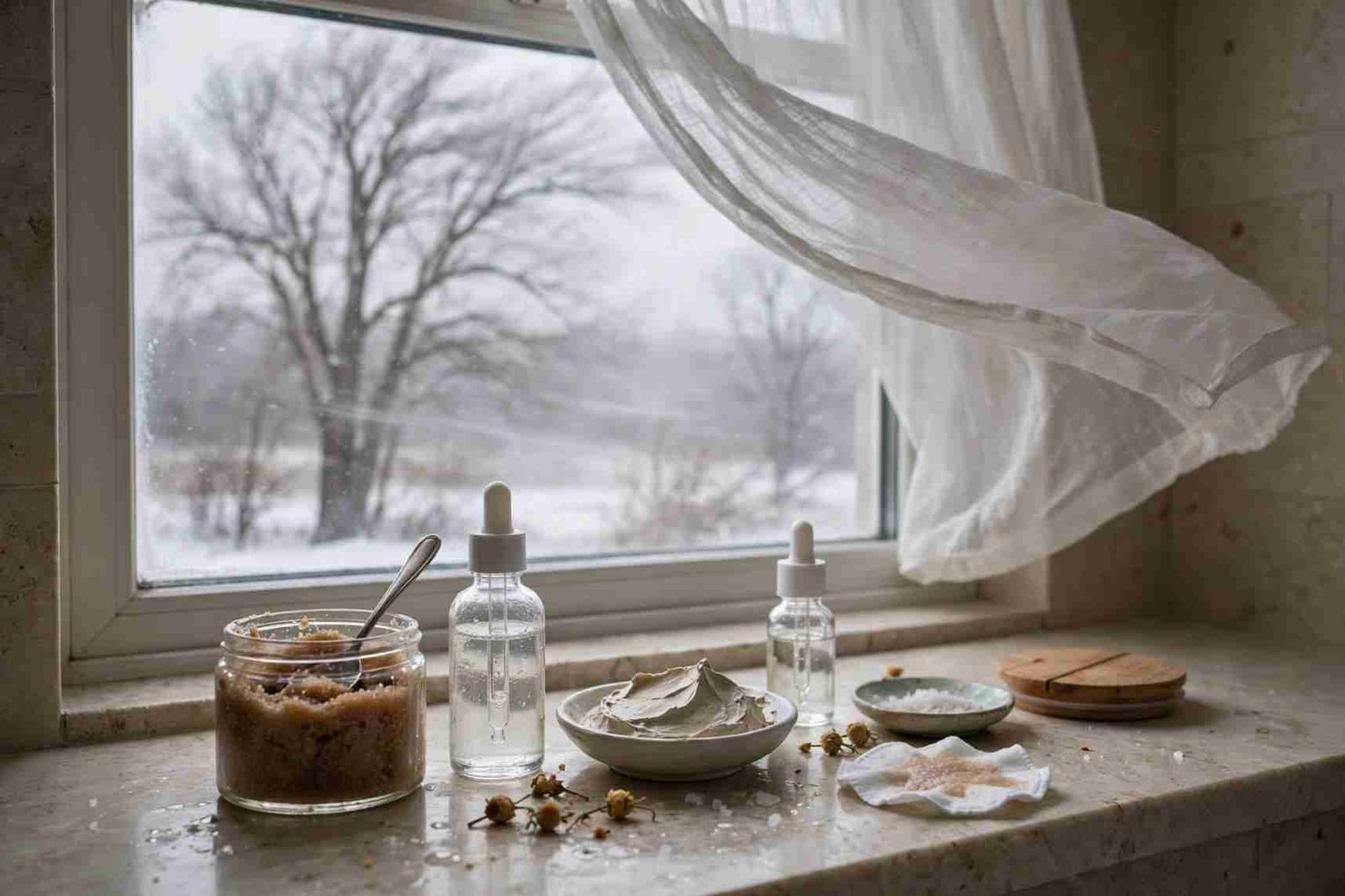
Eliminating the root causes of barrier breakdown is mandatory before any therapeutic regimen can work.
Over-Exfoliation and Aggressive Cleansing
Excessive use of chemical acids, physical scrubs, and high-pH alkaline bar soaps strips away natural sebum. Stripping away lipids leaves epidermal cells dry, vulnerable, and unable to bond tightly.
Harsh Climate Exposure and Domestic Water Chemistry
Arid desert air, freezing winds, and central heating pull moisture directly from unprotected tissue.
When planning a comfortable bathroom environment, consider these heated floor ideas for luxury bathrooms as part of a thoughtful home design.
Furthermore, bathing daily in tap water dense with dissolved minerals like calcium and magnesium binds to natural body oils, creating insoluble curd that weakens surface integrity.
In regions where mineral levels run high, washing with soft water in Utah provides immediate relief by letting gentle cleansers rinse completely clean without stripping delicate lipid bonds.
Environmental Pollution and Ultraviolet Radiation
Free radical damage generated by unfiltered sun exposure and industrial particulate matter degrades structural proteins like collagen and elastin. This breakdown makes it harder for the skin to rebuild its outer protective envelope.
3. Immediate Steps to Reset Your Daily Routine
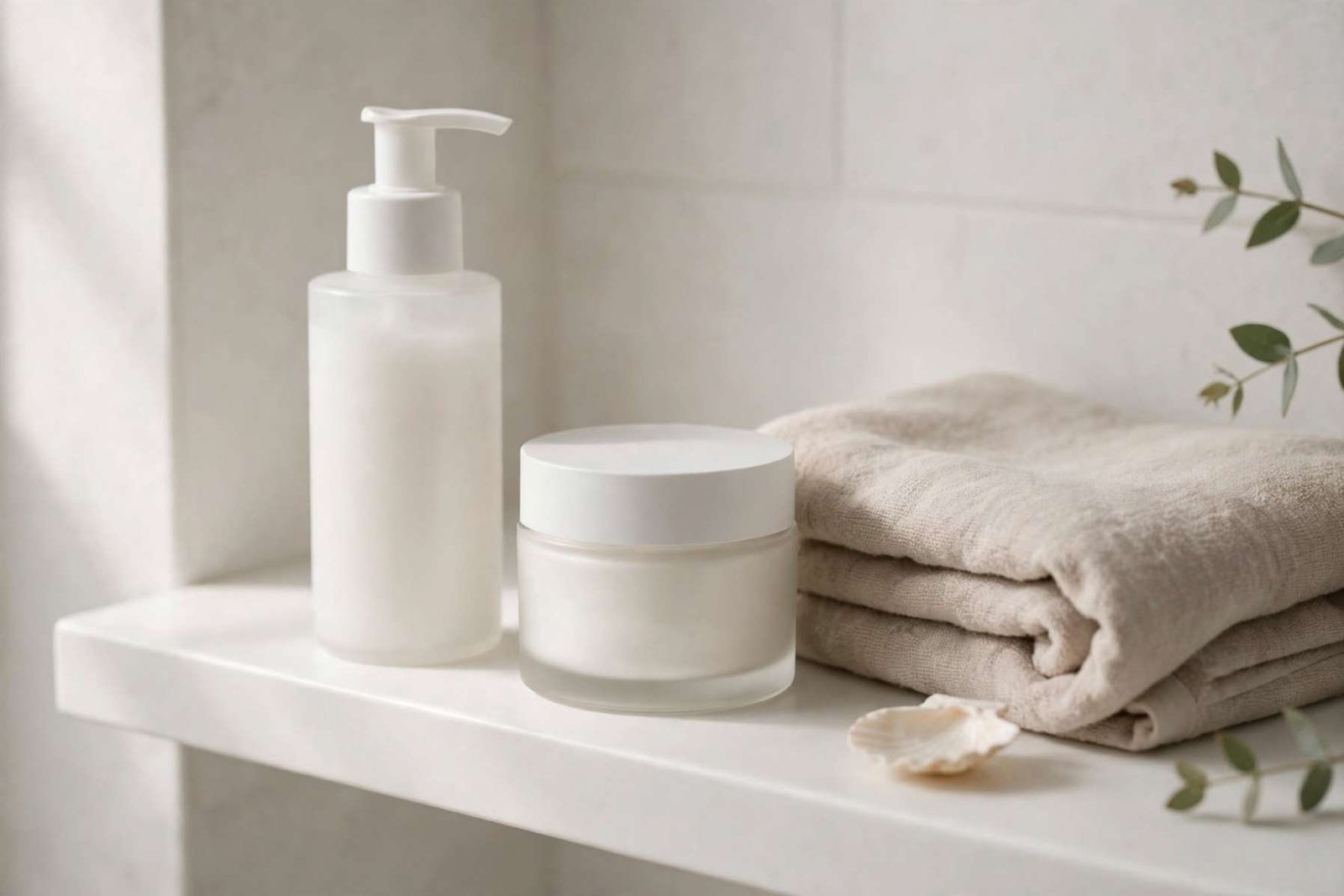
Halting damage requires stripping back elaborate routines to basic, protective fundamentals.
Suspend All Active Ingredients
Immediately discontinue the use of retinoids, direct exfoliating acids, pure vitamin C serums, and essential oils. Give skin tissue at least three to four weeks of rest without exposure to strong cellular activators.
Switch to a Non-Foaming Gentle Cleanser
Select soap-free, lotion-based, or milky cleansers formulated around a neutral or slightly acidic pH range between 4.5 and 5.5. Cleanse with lukewarm water rather than steaming hot streams to prevent excessive lipid melting.
4. Selecting Barrier-Repairing Ingredients
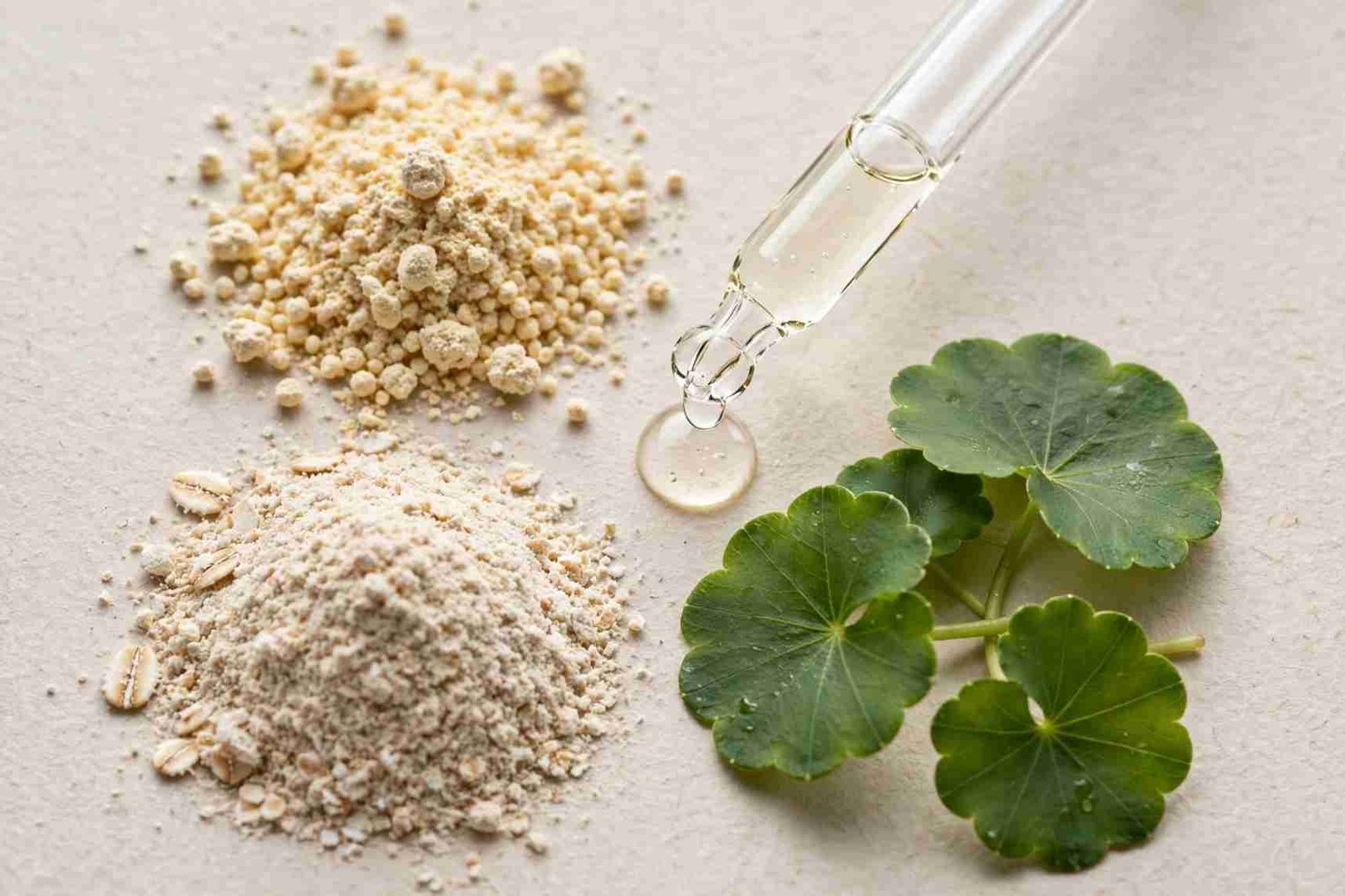
Reconstructing cellular layers demands specific biochemical lipids that mirror the body’s natural intercellular cement.
Prioritize Physiological Lipid Ratios
Look for treatment moisturizers containing ceramides, cholesterol, and free fatty acids. Formulations that balance these three components closely resemble the skin’s native lipid envelope, accelerating cellular recovery.
Harness Soothing and Anti-Inflammatory Agents
Incorporate colloidal oatmeal, madecassoside from Centella asiatica, panthenol, and allantoin. These therapeutic elements calm sensitive nerve endings, suppress cellular inflammation, and enhance hydration capacity.
Seal Hydration with Protective Occlusives
Finishing your evening skincare routine with petrolatum, squalane, or shea butter creates a breathable barrier over sensitive patches. This occlusive coat blocks transepidermal water loss while you sleep, giving underlying tissue time to repair.
5. Daily Habits for Long-Term Skin Health

Preserving a healthy complexion requires steady daily habits that shield the skin from routine physical stress.
Making thoughtful personal-care choices is also part of building everyday habits for sophisticated modern living.
Keep Showers Short and Warm
Prolonged exposure to hot water breaks down natural oils, leaving delicate tissues dehydrated. Limit showers to under ten minutes and choose lukewarm water to protect your body’s lipid mantle.
Use a Cool-Mist Room Humidifier
Dry indoor heating systems extract moisture from ambient air and draw water directly out of your skin. Running a clean humidifier inside your bedroom overnight balances relative humidity and minimizes dehydration while you rest.
Apply Broad-Spectrum Sun Protection Every Morning
Ultraviolet rays degrade fragile healing skin and trigger chronic inflammation. Apply a gentle, mineral-based zinc oxide sunscreen every single morning to deflect radiation without causing stinging sensations.