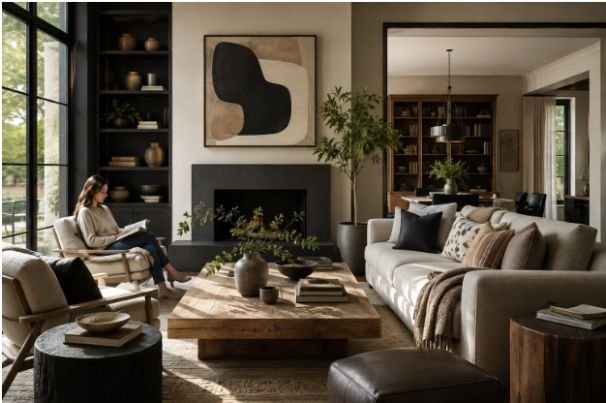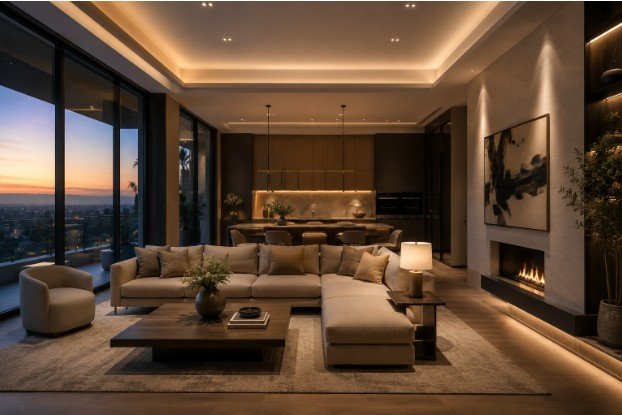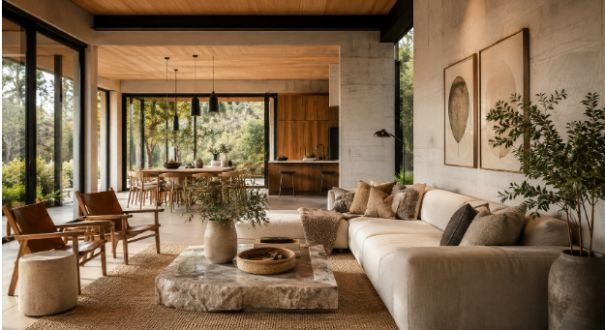
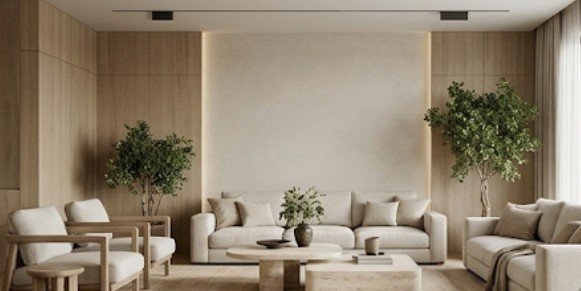
Interior design has evolved into a holistic pursuit that balances aesthetic refinement with personal wellness, tactile comfort, and everyday functionality. Today’s homeowners are moving away from sterile, monochromatic environments in favor of spaces rich with character, organic materiality, and architectural intention. By integrating natural light, curved contours, artisanal finishes, and smart spatial zoning, modern residential design creates personal retreats that inspire and restore.
Embrace Biophilic Elements and Organic Materiality
Modern interiors increasingly emphasize the profound connection between human biology and the natural world, a concept known as biophilic design. Modern homeowners are shedding artificial synthetic finishes, high-gloss laminates, and clinical chrome hardware in favor of raw, grounding materials that celebrate authentic texture and organic variation. These textures complement creating an organic modern living space beautifully.
Incorporating natural elements begins with the thoughtful integration of sustainable timber, unhoned natural stone, tactile terracotta, and porous travertine. Rather than hiding natural wood grain under thick opaque coats of paint, contemporary design highlights knots, natural spalting, and tactile grain patterns across wide-plank white oak flooring, floating ceiling beams, and bespoke cabinetry. Countertops crafted from quartzite, soapstone, or honed marble introduce subtle veining that adds organic movement to kitchen islands and bathroom vanities.
Complementing stone and timber with natural woven textiles softens the overall visual architecture. Draping living room furnishings in tactile Belgian linens, bouclé, nubby wool, and unbleached cotton weaves introduces rich layering that invites relaxation. Indoor greenery—such as mature fiddle-leaf figs, potted olive trees, and climbing philodendrons—further purifies indoor air while infusing living rooms with vibrant living energy.
Selecting Unrefined Woods and Earthy Stone Surfaces
Leaving timber finishes matte and unvarnished allows the tactile warmth of natural wood to radiate throughout open-concept living zones.
Honed travertine and soapstone surfaces introduce subtle earthy textures that age gracefully, developing an attractive patina over decades of domestic use. Raw materials ground contemporary interiors in nature.
Layering Tactile Organic Textiles for Sensory Depth
Combining raw linen drapery panels with textured wool area rugs absorbs harsh acoustic reverberations, creating cozy, peaceful living environments.
Bouclé accent chairs and hand-loomed throw blankets add inviting tactile depth, encouraging family members to sit back and unwind. Woven textures bring sensory warmth to living rooms.
Maximize Natural Daylight and Seamless Architectural Glass
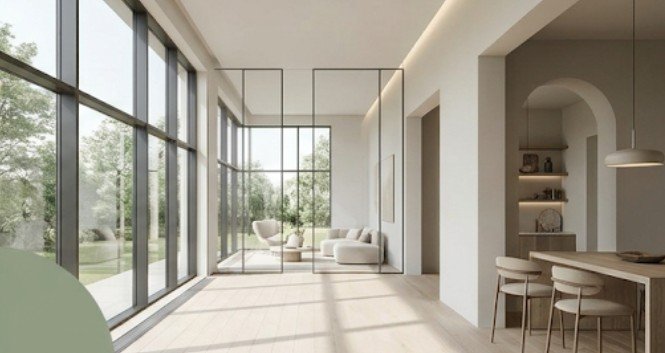
Natural illumination is the ultimate architectural element, capable of altering perceived room dimensions, enhancing personal moods, and bringing out the true color depth of interior finishes. Modern design strategies prioritize natural sunlight, eliminating dark, boxy floor plans in favor of luminous open layouts connected by architectural glass.
Replacing solid interior partition walls with sleek glass dividers, French interior doors, or fluted glass transoms allows natural light to penetrate deep into the center of a home while preserving acoustic privacy between functional zones. In primary suites, custom frameless glass shower enclosures and oversized architectural mirrors expand visual sightlines, transforming utilitarian bathrooms into light-filled spa sanctuaries.
“When embarking on structural updates or custom window installations, homeowners in Layton can look up ‘residential glass company near me’ to find experienced professionals offering precision-cut insulated glazing, tempered shower enclosures, and bespoke glass railings tailored to their home’s layout.”
Installing Frameless Glass Partitions and Enclosures
Eliminating bulky metal framing around shower enclosures creates clean sightlines that highlight custom wall tilework and architectural stone slabs.
Internal glass French doors allow natural daylight to flow between private home offices and open living areas without compromising acoustic isolation. Minimalist glass enclosures open visual space effortlessly.
Reflecting Ambient Daylight with Architectural Mirrors
Hanging oversized, bronze-tinted or antiqued wall mirrors opposite primary window banks bounces natural daylight across darker interior corners.
Custom mirrored accent panels visually double room proportions, making modest breakfast nooks and entry foyers feel expansive and open. Strategic mirror placements amplify natural room brightness.
Soften Structural Geometry with Curved and Sculptural Forms
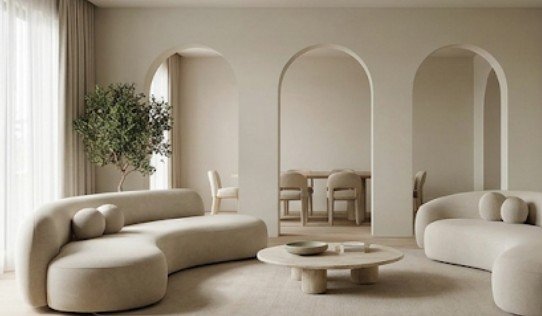
For decades, modern interior aesthetics were dominated by rigid right angles, sharp geometric edges, and strictly rectilinear furniture frames. While clean lines provide architectural order, an excess of hard corners can make residential environments feel austere, industrial, and uninviting. Today’s design movements embrace gentle curves, arched portals, and undulating silhouettes.
Architectural details are leading this shift, with curved archways replacing standard rectangular doorways and rounded plaster fireplace surrounds serving as artistic living room centerpieces. Barrel-vaulted ceilings, curved built-in display niches, and waterfall edge countertops soften the structural transitions between living spaces, guiding the eye smoothly from one room to the next. Thoughtful furniture arrangements also support creating refined minimalist interiors at home.
Furniture design reflects this softer aesthetic through curved sectional sofas, circular cocktail tables, and sculptural barrel-back dining chairs. These rounded forms disrupt rigid linear room layouts, encouraging fluid walking circulation around seating arrangements. Fluid silhouettes introduce a playful, sculptural quality that makes contemporary living rooms feel welcoming, elegant, and comfortable.
Replacing Rectilinear Portals with Graceful Arches
Transforming standard rectangular doorways into curved plaster arches introduces timeless Mediterranean elegance and soft architectural transitions between rooms.
Curved display niches cut into drywall provide charming, custom showcases for ceramic vessels, curated artwork, and collected travel literature. Architectural arches soften interior structural profiles.
Incorporating Undulating and Rounded Furniture Silhouettes
Positioning curved sectional sofas away from peripheral walls establishes organic gathering zones that naturally foster intimate family conversations.
Circular marble coffee tables eliminate dangerous sharp corners in active households, ensuring smooth foot traffic through central living rooms. Sculptural furnishings enhance everyday spatial flow.
Cultivate Moody Color Palettes and Monochromatic Drenching
While clean gallery-white walls have long been a hallmark of minimalist interiors, contemporary design is embracing the evocative power of deep, saturated color palettes. Homeowners are increasingly using dramatic hues to create intimate, cozy spaces that foster focused relaxation.
Color drenching has emerged as a favored application technique, involving painting walls, baseboards, door trim, crown molding, and even the ceiling in a single continuous hue. This technique eliminates harsh visual breaks, making rooms feel cohesive and cocoon-like. Rich, nature-inspired tones—such as deep forest greens, warm terracotta, velvety navy, burnt ochre, and warm espresso—wrap the room in comforting warmth.
In larger open spaces where continuous dark paint might feel overwhelming, designers introduce deep colors through contrast and selective focal points. Pairing creamy, warm-toned neutral walls with rich charcoal cabinetry, plum velvet drapery, or dark stained wood millwork creates sophisticated visual depth. Combining rich pigments with balanced, warm-temperature lighting ensures that dark spaces feel luxurious, relaxing, and inviting.
Implementing All-Over Color Drenching Techniques
Coating walls, window casings, and ceiling surfaces in a uniform matte hue blurs room boundaries, making modest library rooms feel expansive.
Color drenching hides uneven architectural quirks and prominent heating vents, unifying the visual canvas under a sophisticated color wash. Uniform paint washes establish serene domestic spaces.
Balancing Deep Jewel Tones with Warm Ambient Lighting
Pairing dark moss-green or midnight-blue walls with warm-temperature bulbs prevents saturated colors from feeling cold or gloomy.
Incorporating brushed brass wall sconces against dark painted backgrounds adds radiant metallic contrast, reflecting soft golden light across the room. Strategic lighting unlocks deep color elegance.
Blend Curated Vintage Artifacts with Contemporary Profiles
One of the most defining shifts in contemporary interior styling is the intentional departure from matching showroom furniture packages. Furnishing an entire home from a single contemporary catalog often produces flat, impersonal interiors that lack warmth and soulful character. Modern design celebrates eclectic harmony, pairing sleek modern pieces with weathered vintage heirlooms.
Integrating vintage pieces—such as a weathered mid-century credenza, an antique Persian runner, or a hand-carved French gilt mirror—introduces history, narrative, and craftsmanship into modern spaces. The aged patinas, minor surface imperfections, and tactile character of antique items serve as a compelling counterbalance to the crisp edges and smooth finishes of contemporary architecture.
The secret to successfully mixing historical eras lies in finding balance and unifying elements. Pairing an ultra-modern, low-profile linen sofa with a rustic, hand-hewn timber coffee table creates dynamic visual tension where each piece elevates the other. Sticking to a cohesive color palette ensures that diverse historical styles feel intentionally collected over time rather than randomly assembled.
Highlighting Patina and Craftsmanship in Antique Accents
Displaying hand-turned ceramic jugs, aged brass candleholders, and hand-woven vintage rugs infuses crisp modern rooms with unique historical character.
Distressed wood surfaces on antique harvest dining tables celebrate natural imperfections, creating durable focal points that hide everyday family wear. Vintage elements anchor homes in authenticity.
Creating Visual Tension Between Contemporary and Historic Pieces
Juxtaposing an ultra-sleek minimalist lighting fixture above an ornate antique wooden console table creates an eye-catching design focal point.
Balancing clean contemporary lines with the rich textures of heirloom furnishings produces curated, timeless spaces that outlast fleeting design trends. Eclectic styling creates unique personal spaces.
Layer Multi-Functional Task, Accent, and Ambient Illumination
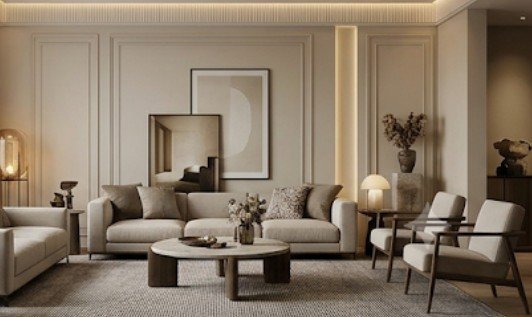
A thoughtfully curated room can feel flat and uninviting if it relies solely on a single overhead ceiling light. Harsh downward illumination washes out subtle wall textures, casts unflattering facial shadows, and creates an uncomfortable environment. Modern interior design treats lighting as a layered art form, combining ambient, task, and accent fixtures to create adaptable moods throughout the day.
Ambient lighting establishes the foundational layer of overall room illumination, using flush architectural fixtures, cove lights, and dimmable chandeliers. Supplementing this base layer with functional task lighting. Such as adjustable brass reading lamps beside armchairs, sleek under-cabinet lighting across kitchen prep counters, and directional desk lamps. Ensures focused illumination exactly where daily activities occur.
Accent lighting completes the interior scheme, adding emotional depth and highlighting chosen focal points. Wall-mounted picture lights cast gentle glows over framed oil paintings, low-voltage strip lights highlight displayed treasures within custom bookshelves, and sculptural table lamps serve as decorative art pieces even when switched off. Installing smart dimmer switches gives homeowners complete control, allowing them to shift effortlessly from bright morning energy to warm, relaxing evening ambiance. Explore ambient lighting for luxury homes to enhance sophisticated interiors.
Installing Targeted Task Lighting for Daily Living
Recessed under-cabinet LED light bars illuminate kitchen countertops cleanly, eliminating shadowy work surfaces during evening food preparation.
Articulating brass reading lamps beside bedside tables provide focused light for late-night reading without disturbing a sleeping partner. Thoughtful task lighting elevates practical everyday living.
Casting Dimension with Directional Accent Lighting
Highlighting textured stone fireplace surrounds with directional ceiling spotlights reveals subtle surface reliefs and stone variations.
Tucking miniature uplights behind large potted indoor trees casts dynamic branch shadows across walls, introducing captivating nocturnal drama. Accent illumination brings rooms to life.
Conclusion
Transforming your living space with modern interior design trends creates a comfortable home that reflects your personality and lifestyle. Natural materials, abundant daylight, and curved furniture bring warmth and elegance to every room. Rich colors, vintage accents, and layered lighting add depth and character. Together, these elements create a timeless, sophisticated interior that balances beauty, comfort, and functionality.
Modern design does not chase fleeting fads; it crafts functional, peaceful sanctuaries that bring daily comfort, inspiration, and lasting joy.