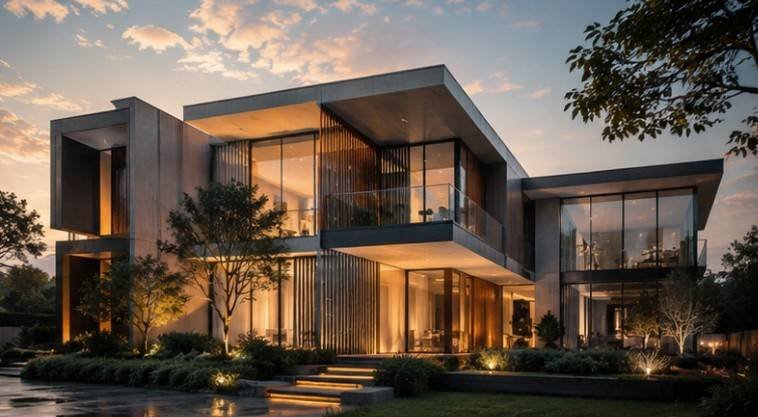
Walking through a design-focused neighborhood, it is easy to call every glassy, clean-lined house “modern.” I have done it too. Yet the modern vs contemporary architecture difference becomes clearer once you know one style belongs to a historical movement while the other changes with current ideas.
That distinction helps homeowners, buyers, students, and design lovers read buildings accurately and discuss design goals with architects more clearly.
Key Takeaways
- Modern is historical. Contemporary is current.
- Modern favors disciplined geometry.
- Contemporary allows more freedom.
- Both can value daylight, open planning, simple forms, and strong indoor-outdoor connections.
Why This Difference Matters
The modern vs contemporary architecture difference matters because these labels shape home searches, design briefs, renovations, and conversations with architects. Using the wrong term can send a project toward the wrong visual language.
Think of it like coffee. Modern is a known recipe with history behind it. Contemporary is the creative version being served today. Similar cup, different idea.
Modern Architecture Has Historical Roots
Its vocabulary comes from history, function, and material honesty.
Time Period
Modern architecture is generally associated with the early to mid-20th century, especially the 1920s through the 1950s. Modernism rejected heavy ornament and embraced functional planning and industrial materials.
That history makes modern architecture a defined style. K. Hovnanian Homes explains the distinction clearly.
Form Follows Function
Modernist design often follows the principle that appearance should grow from purpose. Clean lines, simple geometry, open plans, large windows, and limited decoration make spaces feel efficient.
Rooms often flow together, while broad glazing connects interiors with patios, gardens, courtyards, or views.
Materials and Shape
Steel, reinforced concrete, glass, natural wood, stone, and stucco are common modern materials. They are often shown honestly instead of being hidden behind decorative finishes.
Rectangular volumes, horizontal lines, flat or low-pitched roofs, and strong geometric planes create the recognizable modernist character seen in many American residences.
Contemporary Architecture Belongs to Now
Its vocabulary grows from current needs, tools, and design thinking.
Time Period
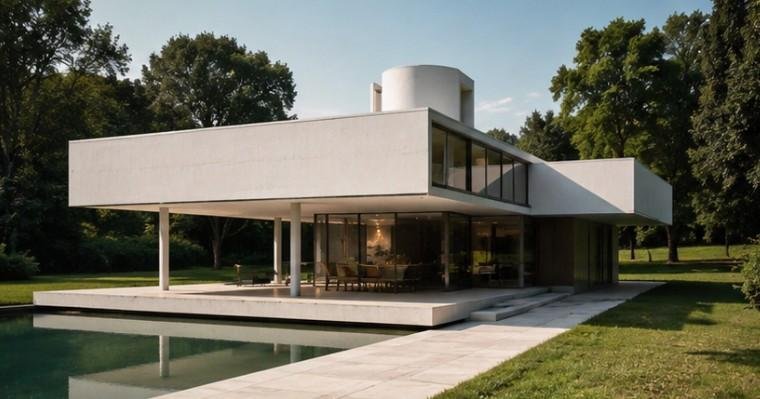
Contemporary architecture has no fixed historical endpoint. It describes present-day buildings and can absorb new aesthetics, technologies, construction methods, and environmental priorities.
A house today may differ from one considered contemporary twenty years ago.
Freedom of Form
Contemporary design is less tied to a single geometric language. It may combine sharp angles with curves, asymmetrical masses, sculptural roofs, cantilevers, unusual openings, and contrasting textures.
It can borrow modernist simplicity, then add organic forms or bold structural gestures suited to different sites, climates, and lifestyles.
Materials and Technology
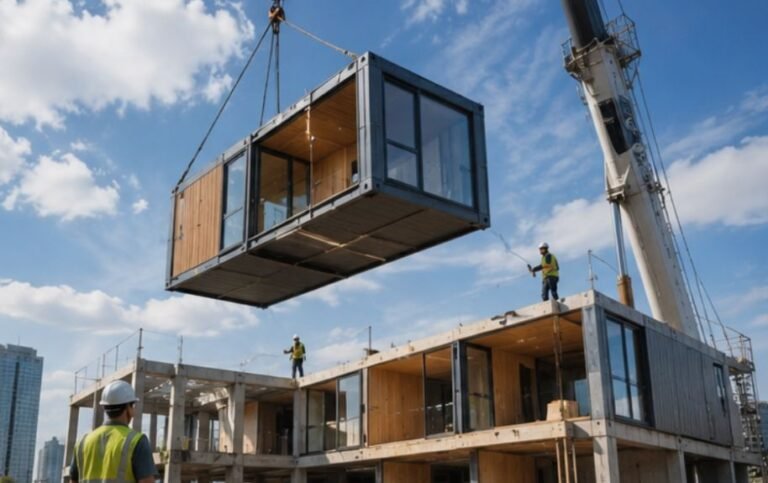
Contemporary projects often mix glass, wood, stone, steel, recycled products, engineered surfaces, high-performance glazing, and other current materials.
Smart lighting, automated shading, efficient HVAC, solar power, EV charging, and energy monitoring can become part of the architecture. Marvin Windows and Doors offers another useful comparison.
The Biggest Style Differences
Look at form, materials, performance, and site response together.
Geometry and Rooflines
Modern homes usually favor straight lines, rectangular volumes, flat planes, and simple roof forms. Their geometry tends to feel calm, ordered, and controlled.
Contemporary buildings can use those elements too, but they may add curves, asymmetrical roofs, folded surfaces, dramatic overhangs, or sculptural masses.
Windows and Materials
Modern architecture often uses large windows for daylight and outdoor connection. Material palettes are usually restrained and consistent.
Contemporary architecture may use floor-to-ceiling glazing, corner windows, mixed facades, or newer cladding. Material combinations can be more varied when performance drives the choice.
Sustainability and Site Response
Modernists valued function, light, and nature, but current designers have access to more advanced building science.
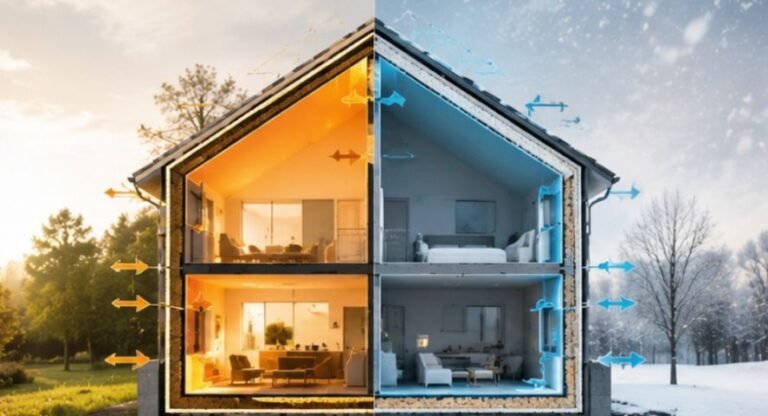
Contemporary architecture can address solar orientation, insulation, shading, ventilation, water use, and renewable energy from the start. Any style can perform well when its envelope and systems are carefully designed.
Shared Design DNA
Modern and contemporary architecture can look similar because contemporary designers often borrow from modernism. Both may use open plans, large windows, minimal ornament, clean surfaces, simple palettes, and indoor-outdoor living.
The difference is flexibility. Modern architecture follows an established historical language. Contemporary architecture can borrow that language, combine it with other influences, or move beyond it.
Mid-century modern adds confusion. It belongs to the broader modern design story but refers specifically to the middle decades of the 20th century, not contemporary architecture.
How To Read the Modern vs Contemporary Architecture Difference
To apply the modern vs contemporary architecture difference, move from big architectural features to smaller details.

Step One: Read the Massing
Start with the overall shape. Rectangles, horizontal lines, flat planes, and restrained geometry often suggest modernist influence. Curves, offset volumes, unusual rooflines, and sculptural combinations more often suggest contemporary design.
Do not decide from shape alone because many contemporary homes intentionally borrow modern geometry.
Step Two: Check Materials and Glass
Look at how wood, stone, concrete, metal, stucco, and glass are combined. Modern homes often use a limited palette in a direct, simple way.
Contemporary homes may mix more textures or use advanced cladding, engineered materials, large glazing systems, and high-performance windows. These details often reveal current construction technology.
Step Three: Study the Site
Finally, consider orientation, shading, views, privacy, airflow, landscaping, and indoor-outdoor circulation. Contemporary design often responds closely to site conditions.
Architecture is more than a facade. A beautiful house can still fail if it ignores climate, daylight, comfort, and daily life.
Choosing the Right Direction
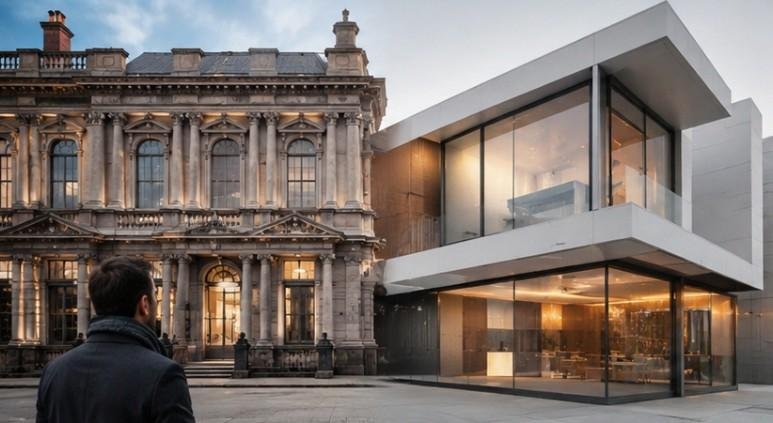
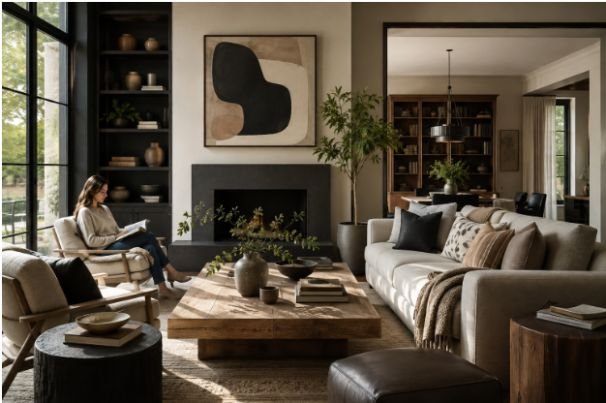
Modern-inspired design suits people who prefer visual order, simple geometry, restrained materials, and architectural history. Its established rules can feel composed and timeless.
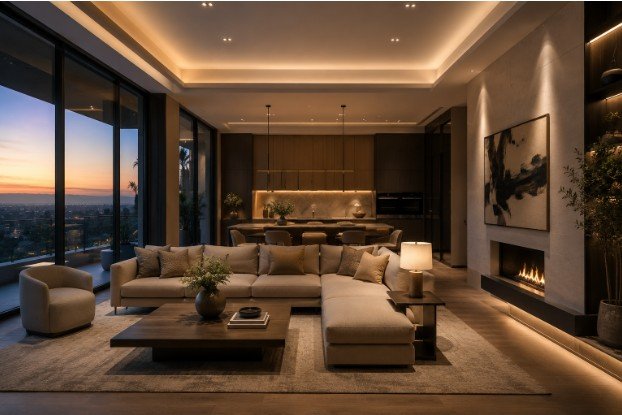
Contemporary design suits clients who want freedom to combine minimalism, curves, smart-home systems, sustainable materials, bold structures, and site-specific solutions.
The best choice still depends on climate, budget, maintenance, local codes, lifestyle, and the site. A good architect uses style as a tool and shapes the building around how it needs to work.
Frequently Asked Questions
1. What Is the Modern vs Contemporary Architecture Difference?
The modern vs contemporary architecture difference is mainly about time and flexibility. Modern architecture belongs to a defined historical movement, while contemporary architecture reflects current design ideas and continues evolving.
2. Can a House Be Both Modern and Contemporary?
Yes. A contemporary house can borrow modernist features such as flat roofs, clean lines, open plans, and large windows while adding newer materials, technology, sustainable systems, or experimental forms.
3. Is Mid-Century Modern the Same as Contemporary Architecture?
No. Mid-century modern belongs to the broader modernist tradition and is tied to a historical period. Contemporary architecture describes what is being designed now, even when it borrows mid-century ideas.
4. Which Style Is Better for Sustainable Design?
Neither style is automatically more sustainable. Performance depends on orientation, insulation, glazing, shading, materials, HVAC systems, water use, and renewable energy choices rather than the architectural label.
Final Sketch: Read the Building, Not the Buzzword
Understanding the modern vs contemporary architecture difference becomes easier once you stop judging a house by flat roofs or big windows alone. I prefer looking at its history, geometry, materials, technology, and relationship with the site. Modern architecture gives us a defined design legacy, while contemporary architecture keeps evolving with changing lifestyles, climate priorities, and building innovation.