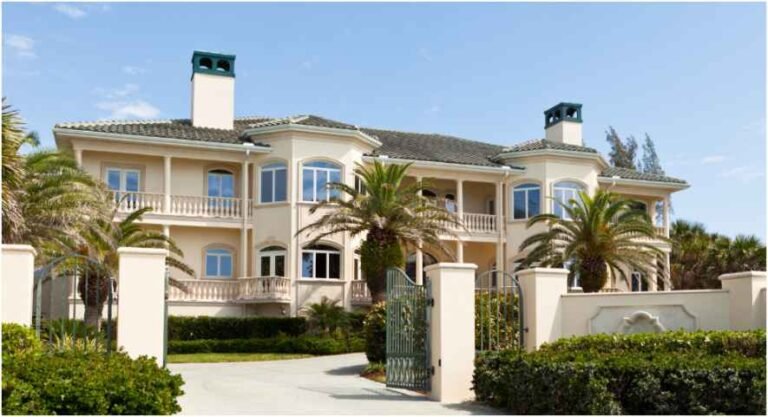

A polished luxury property can hide expensive problems behind flawless stone, custom cabinetry, and seamless automation. When I assess a premium home from a buyer’s perspective, I care less about cosmetic perfection and more about what could cost heavily after closing.
That is why I treat a luxury home inspection checklist for buyers differently from a conventional inspection. A standard inspection establishes an essential baseline. A high-end property may also require specialists who understand automation, pools, elevators, advanced HVAC, stonework, generators, and other complex systems.
Why Luxury Homes Need a Deeper Inspection
The American Society of Home Inspectors describes a standard inspection as an examination of readily accessible and visually observable installed systems. Its standard also allows additional services beyond that basic scope.
That distinction matters with luxury homes.
A general inspector may identify a problem with a wine-room cooling system, for example. Determining its exact condition may require a refrigeration specialist. The same principle applies to elevators, radiant floors, commercial kitchen equipment, photovoltaic systems, and sophisticated home automation.
My approach to a luxury home inspection checklist for buyers is therefore simple: inspect the house first, then inspect the expensive lifestyle systems attached to it.
Before reaching this stage, buyers should also understand what to look for when buying a luxury home, including location, construction quality, privacy, resale potential, carrying costs, and renovation restrictions.
Start With Structure, Water, and Building Envelope

Luxury features should never distract from the fundamentals. Foundation movement, roof defects, poor drainage, and water intrusion can damage even the most elaborate interior.
Look Beyond Cosmetic Perfection
I pay close attention to cracks around large glass openings, uneven floors, roof transitions, retaining walls, balconies, and complex architectural projections.
Large custom homes often have complicated rooflines and extensive exterior penetrations. Each transition creates another location where flashing or waterproofing can fail.
Floor-to-ceiling glass deserves separate attention. Inspect seals for condensation, fogging, drafts, staining, and damaged framing.
Investigate Drainage and Moisture
Inspect grading, gutters, underground drainage, retaining-wall drainage, French drains, and catch basins.
A beautifully landscaped property can still direct water toward the foundation.
Basements and lower living spaces also deserve environmental testing. The EPA recommends radon testing for homes and notes that buyers may request new testing when previous results are old or substantial alterations have occurred.
Inspect High-End HVAC and Climate Systems

Heating and cooling become considerably more complicated in large estates.
The U.S. Department of Energy defines HVAC as controlling temperature, humidity, and indoor air quality. Those functions become especially important when a property has many independently conditioned areas.
Test Every Climate Zone
Do not test one thermostat and assume the entire house works.
I would change the temperature setting in every zone and confirm that the corresponding area responds. Inspect dampers, air handlers, heat pumps, boilers, condensers, thermostats, and control panels.
Radiant floors need extra attention. Thermal imaging can help reveal areas where heating appears inconsistent.
Check Specialty Environmental Systems
A comprehensive luxury home inspection checklist for buyers should account for wine rooms, steam showers, saunas, indoor pools, whole-house humidification, HEPA filtration, and energy-recovery ventilation.
Check whether temperature and humidity remain stable under operation.
Ask for service records too. Equipment that works during a short inspection may still be overdue for major maintenance.
I also evaluate energy efficient features in luxury homes, including high-performance HVAC, insulation, smart climate controls, energy-recovery ventilation, efficient glazing, solar systems, and other upgrades that can reduce long-term operating costs.
Test Smart Home Technology as a Complete System

Smart technology is one of the easiest areas to underestimate.
A wall-mounted touchscreen turning on one light does not prove that an integrated system works correctly.
Verify Automation and Network Infrastructure
Test lighting scenes, automated blinds, climate controls, cameras, distributed audio, televisions, gates, intercoms, door stations, and mobile controls.
If the home uses Control4, Crestron, Savant, or another integrated platform, ask who installed it and who currently services it.
Then examine the network.
Walk through the property while testing Wi-Fi performance. Large homes may depend on multiple wired access points, network switches, equipment racks, and dedicated controllers.
Most importantly, confirm that administrative credentials, programming access, accounts, and ownership can transfer to you at closing.
Examine Premium Finishes and Architectural Details
Expensive finishes deserve more than a visual glance because repairs can require matching rare materials.
With stone surfaces, I look for cracks, chips, uneven joints, staining, loose sections, and inconsistent slab alignment. Book-matched marble can be especially difficult to replace without affecting the visual pattern.
Custom millwork should have even gaps, secure joints, functional hinges, smooth drawers, and undamaged finishes.
Check transitions between hardwood, stone, tile, and carpet. Poorly executed transitions can reveal movement, installation errors, or later alterations.
Integrated ceiling details also require testing. Confirm hidden lighting, motorized features, speakers, access panels, and linear HVAC diffusers work as intended.
Inspect Luxury Kitchens and Built-In Appliances
Replacing a countertop microwave is simple. Replacing custom-integrated refrigeration surrounded by bespoke cabinetry is not.
That is why my luxury home inspection checklist for buyers treats built-in appliances as property systems rather than accessories.
Run professional ranges, ovens, warming drawers, refrigerators, freezers, dishwashers, wine refrigeration, ice makers, and ventilation equipment.
For gas appliances, verify ignition and operation. High-capacity range hoods should exhaust correctly rather than simply making noise.
Do not ignore secondary kitchens. Butler’s pantries, catering kitchens, outdoor kitchens, and sculleries can contain another complete set of expensive appliances.
Review Security, Gates, and Backup Power
Security technology should be tested from entry point to recording device.
Operate automated driveway gates several times. Test intercoms, video door stations, electronic locks, cameras, motion sensors, glass-break sensors, and alarm zones where possible.
Confirm that camera feeds record rather than merely display live video.
Backup generators also deserve a specialist evaluation. Ask for installation permits, service records, fuel-system information, equipment age, and transfer-switch documentation.
A generator that starts is useful. A properly maintained system capable of supporting its intended electrical loads is much more valuable.
Inspect Pools and Outdoor Amenities
A luxury home’s inspection does not stop at the exterior wall.
Pools, spas, fountains, irrigation, exterior lighting, kitchens, fire features, gates, and drainage systems can represent substantial future expenses.
Run pumps, heaters, automation, lighting, covers, and water features. Examine coping, tile, decking, visible plumbing, and equipment pads.
Pool safety deserves particular attention. The U.S. Consumer Product Safety Commission recommends layers of protection around residential pools and maintains guidance covering barriers, gates, covers, and related safety measures.
Check Permits, Warranties, and Maintenance Records
Documentation can reveal risks that a visual inspection cannot.
Ask for permits relating to additions, pools, electrical upgrades, generators, major renovations, elevators, and other substantial alterations. Requirements vary by state and municipality, so verify records with the relevant local authority.
I also want maintenance histories for major HVAC systems, pools, roofs, generators, elevators, automation platforms, and specialty equipment.
Collect transferable warranties and the names of companies that currently maintain the property.
That vendor list can be surprisingly valuable. Custom homes often contain systems that local general contractors cannot easily diagnose.
My Failure-Cost Test Before Closing
I add one simple exercise to any luxury home inspection checklist for buyers.
For every unusual feature, I ask:
“If this stopped working 30 days after closing, who could repair it, and how difficult would replacement be?”
Imagine two inspection findings.
One is a loose $200 bathroom fixture. The other is an aging proprietary controller responsible for lighting, shades, HVAC integration, and entertainment systems.
The controller may look less dramatic in an inspection report, yet it creates far greater financial and operational risk.
I therefore classify findings by three factors: likely repair cost, specialist dependency, and disruption if the system fails.
That small exercise keeps attention on the defects that could actually change a purchase decision or negotiation.
Frequently Asked Questions
1. What should be included in a luxury home inspection?
A luxury inspection should cover standard structural systems plus automation, complex HVAC, premium finishes, pools, generators, security, specialty rooms, appliances, drainage, and relevant documentation.
2. Should luxury buyers hire specialist inspectors?
Often, yes. Specialists may be appropriate for pools, elevators, roofing, HVAC plants, automation, structural concerns, generators, septic systems, or other complex equipment.
3. How long does a luxury home inspection take?
There is no universal duration. Property size, buildings, amenities, system complexity, accessibility, and the number of specialists involved can substantially extend the process.
4. Why is a luxury home inspection checklist for buyers different?
It considers high-cost custom systems and specialist-dependent features that may fall outside the scope of a conventional visual home inspection.
One Last Look Before You Take the Keys
When I use a luxury home inspection checklist for buyers, my goal is not to find a flawless house. Luxury properties are too complex for that standard to be realistic.
I want to know what I am buying, what requires maintenance, what could fail, and which problems deserve action before closing.
Do not let polished marble and perfect staging dictate the inspection. Make the expensive systems prove themselves. Review documentation, bring in specialists where necessary, and turn significant findings into informed negotiations before the keys change hands.