Doors are an important part of every home. They provide security, protect against outdoor weather, improve energy efficiency, and contribute to the overall appearance of your property. However, like other parts of a house, doors can develop problems after years of daily use. Some door issues can be fixed with simple repairs, while others may indicate that a complete replacement is necessary.
Ignoring serious problems can lead to higher energy bills, reduced home security, and additional damage to surrounding structures. For homeowners considering door replacement in Salt Lake City, understanding the warning signs can help determine when it is time to install a new door. Recognizing these problems early can also prevent expensive repairs and improve your home’s comfort and safety.
1. Your Door Is Difficult to Open or Close
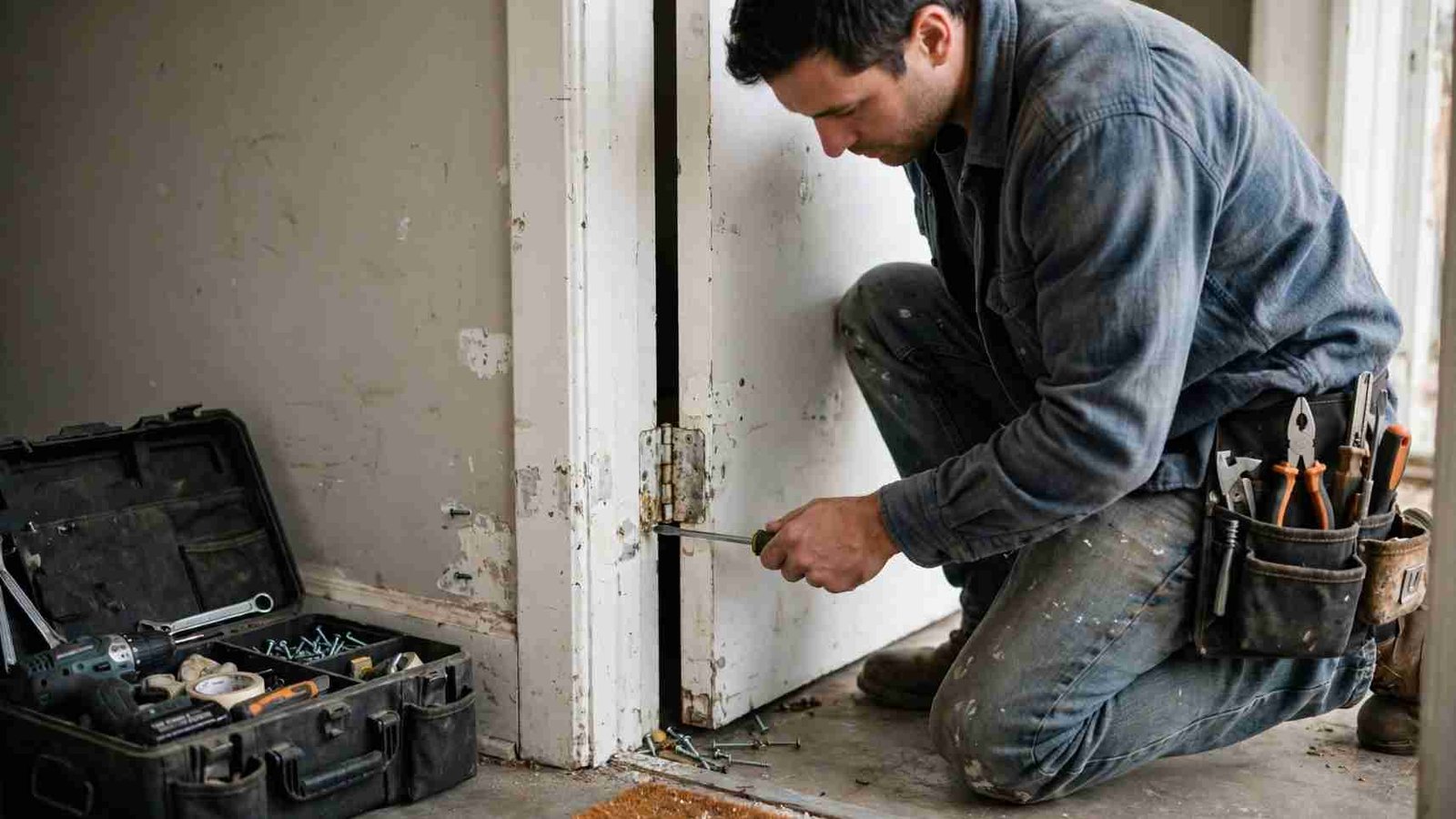
One of the most common signs that a door needs attention is difficulty opening or closing it. A properly installed door should move smoothly without requiring excessive force.
If your door frequently sticks, scrapes against the floor, or refuses to close completely, there may be problems with its alignment, frame, or structure. Wooden doors can expand and contract when exposed to moisture and temperature changes.
Over time, these changes may cause the door to warp or become uneven. Although minor alignment issues can sometimes be repaired, severe warping or structural damage may require replacement. Installing a properly fitted door can restore smooth operation and prevent unnecessary strain on hinges, locks, and surrounding frames.
2. You Notice Drafts Around the Door
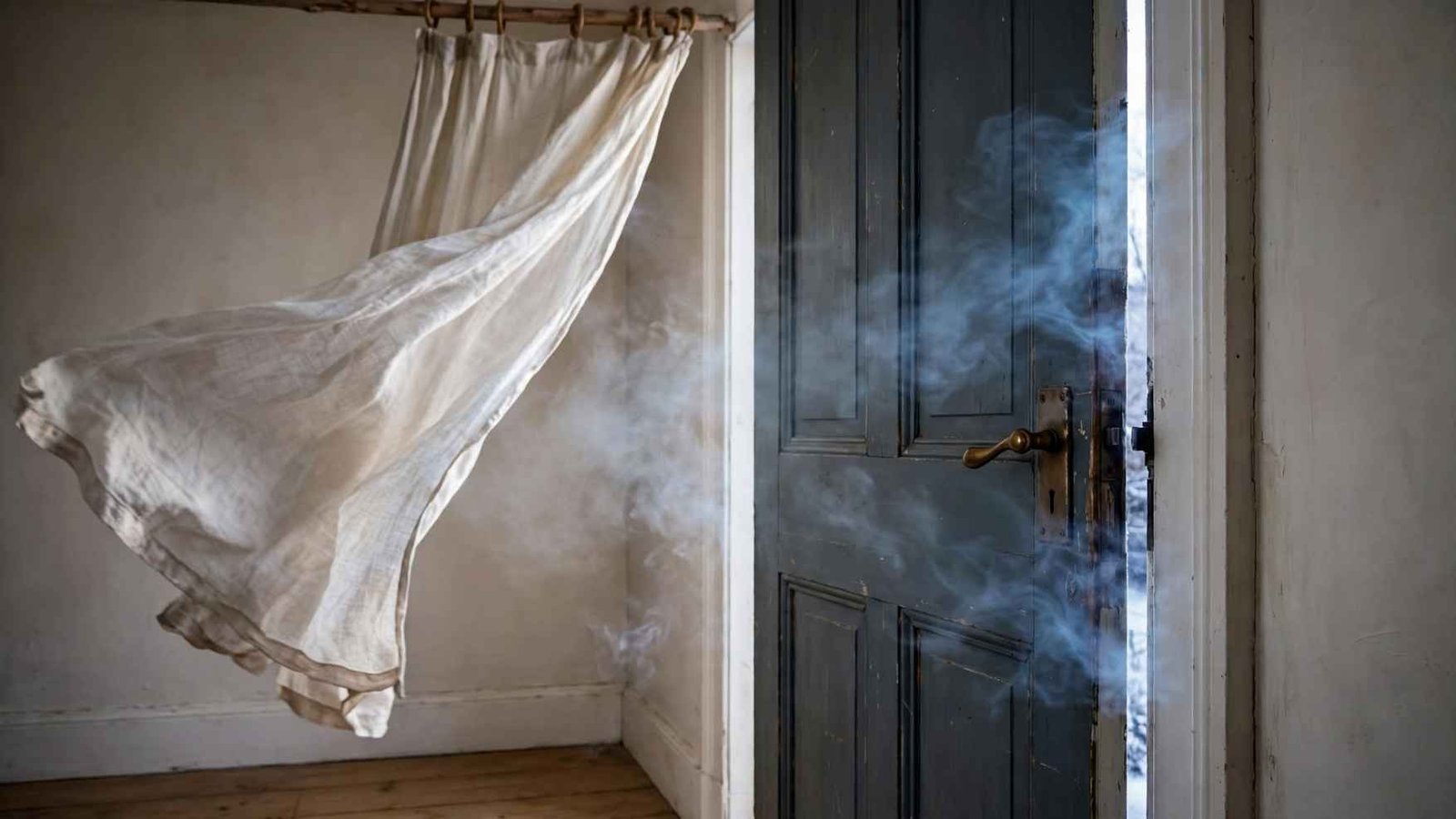
If you feel cold air entering your home even when the door is closed, it may no longer provide an effective seal. Drafts commonly develop when doors become warped, weatherstripping wears out, or gaps form between the door and its frame.
These openings allow outdoor air to enter while heated or cooled indoor air escapes. As a result, your heating and cooling systems may need to work harder to maintain a comfortable temperature. Seasonal temperatures can vary significantly, poorly sealed exterior doors may contribute to uncomfortable indoor conditions. Replacing worn weatherstripping may solve minor air leaks.
Exterior doors are an important component of a home’s building envelope, working alongside walls, windows, and insulation to protect the interior from outdoor conditions.
Understanding what a building envelope is in architecture helps homeowners recognize why proper door sealing and installation matter for indoor comfort, moisture control, and energy efficiency.
However, if the door itself is damaged or no longer fits correctly, a replacement may offer a more lasting solution.
3. There Are Visible Cracks or Structural Damage
Visible damage is another important warning sign that a door may need replacement. Cracks, splits, dents, and damaged panels can affect both the appearance and performance of a door.
While small cosmetic imperfections may not require immediate replacement, deeper structural damage can create serious problems.
For example, large cracks may allow air and moisture to enter your home. They may also weaken the door and reduce its ability to provide adequate protection.
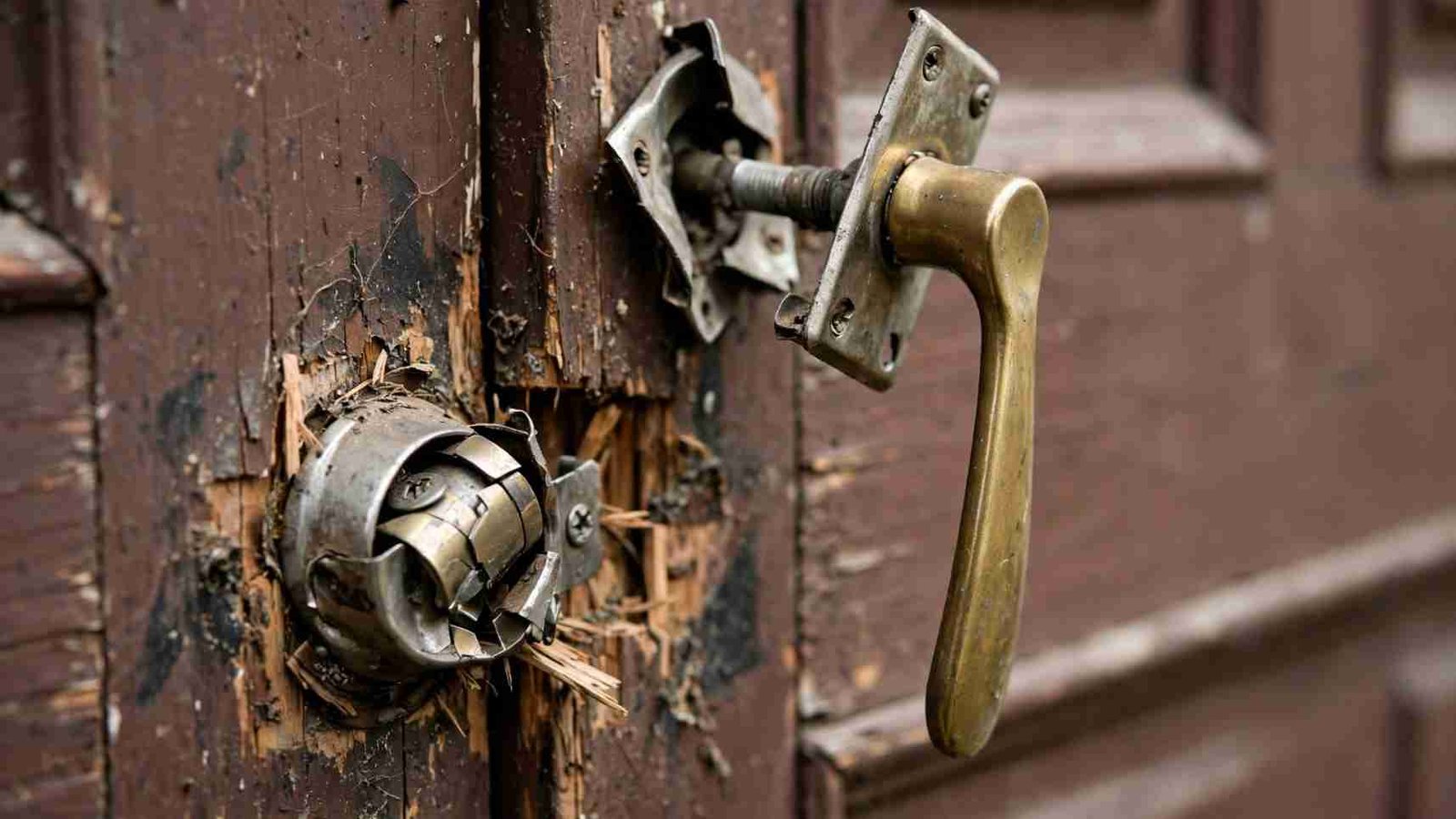
Damage near hinges, locks, or other important components deserves particular attention because these areas help keep the door secure. If repairs cannot restore the door’s strength and proper function, installing a new one may be the safer and more practical option.
When assessing damage to a door, it is also worth considering how the door fits into the home’s overall architectural design. Learning about the difference between modern and contemporary architecture can help homeowners choose a replacement that complements the property’s existing style while addressing practical concerns such as durability and functionality.
4. Your Door Shows Signs of Rot or Moisture Damage
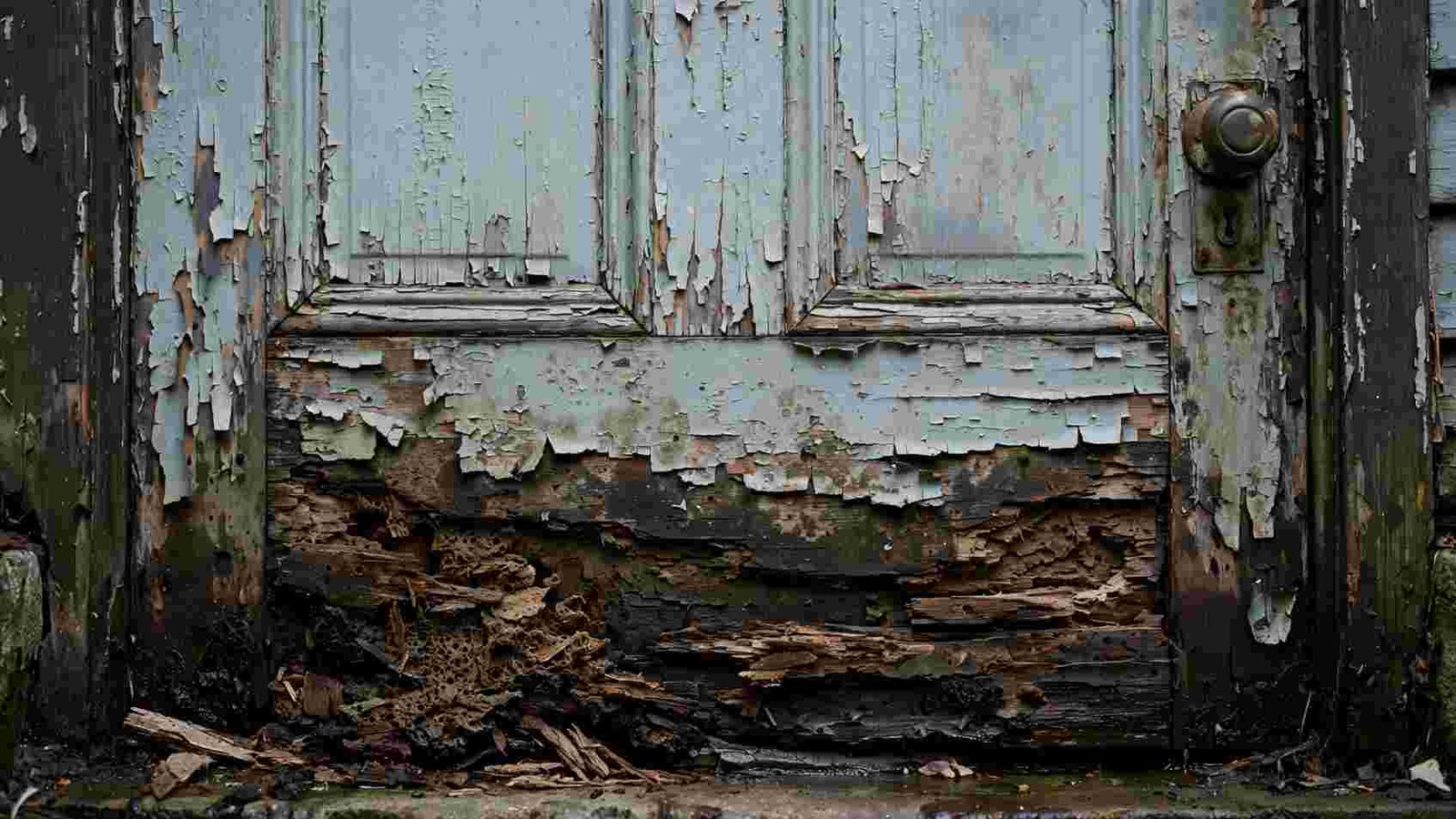
Moisture exposure can cause significant damage to certain door materials, especially wood. Signs of moisture-related problems may include soft or crumbling wood, peeling paint, discoloration, swelling, or areas that feel unusually weak. Rot often develops when water enters through damaged finishes, cracks, or poorly sealed joints.
Once moisture damage spreads into the door’s structure, simple surface repairs may no longer be enough. It is also important to inspect the surrounding frame and threshold for signs of deterioration. Replacing only the door without addressing an underlying moisture problem may allow the damage to return.
A professional inspection can help determine whether door frame repair is sufficient or whether a complete replacement is necessary.
5. Your Energy Bills Keep Increasing
An unexpected increase in heating or cooling expenses may be connected to poorly performing exterior doors. Older doors may lack sufficient insulation, especially when their seals have deteriorated or their materials no longer provide effective thermal protection.
Gaps around the door can also allow conditioned air to escape, making it harder for your home to maintain a stable indoor temperature. Although rising energy costs can have several causes, an aging or damaged door may contribute to unnecessary energy loss.
If your current door has recurring drafts or insulation problems, upgrading to energy-efficient doors may improve comfort and reduce heat transfer. Choosing a properly insulated and professionally installed door can support better temperature control throughout the year.
6. Your Door No Longer Provides Reliable Security
Your front and exterior doors play an essential role in protecting your home. If a door feels loose, has a damaged locking area, or no longer closes securely, it may create safety concerns.
Problems such as weakened door panels, damaged frames, and misaligned locks can make it difficult to secure an entryway properly.
In some cases, replacing the lock or adjusting the strike plate may solve the issue. However, a severely damaged door may require more extensive work. A sturdy replacement door with compatible locking hardware and a properly reinforced frame can help improve home security. Addressing these issues promptly helps protect your household and provides greater peace of mind.
7. You Notice Water Leaks Around the Door
Water entering around an exterior door should never be ignored. Leaks may appear as puddles near the threshold, damp flooring, stained walls, or moisture collecting around the door frame. Possible causes include worn seals, damaged thresholds, improper flashing, and poor installation.
Water intrusion can eventually damage flooring, insulation, and surrounding building materials.
Persistent moisture may also encourage mold growth. Before replacing a door, it is important to identify the exact source of the leak. Sometimes the problem can be corrected with sealing or drainage improvements. When the door or its surrounding components have suffered extensive damage, exterior door replacement may be necessary to restore protection against moisture.
8. Your Door Looks Outdated or Has Significant Wear
A door does more than provide access to your home. It also contributes to your property’s overall appearance. Over time, doors may develop faded finishes, peeling paint, scratches, rust, or other visible signs of aging. Although cosmetic wear does not always mean replacement is necessary, an outdated door may no longer match your home’s design or performance needs.
Homeowners planning exterior renovations may choose to replace older doors to create a more attractive and consistent appearance.
When planning a home renovation that includes replacing outdated doors, it can also be useful to understand how to measure square footage of a home. Accurate measurements help homeowners estimate room dimensions, plan renovation layouts, and assess the space available for other improvements alongside door upgrades.
A new entry door installation can refresh the look of your property while offering opportunities to improve insulation, security, and everyday functionality. Selecting a door that complements your home’s architecture can improve both appearance and practical performance.
9. Your Door Requires Frequent Repairs
Occasional door maintenance is normal. However, repeatedly repairing the same problems may indicate that the door is reaching the end of its useful life. Frequent hinge adjustments, lock repairs, sealing problems, and recurring alignment issues can become frustrating and expensive. Individual repairs may seem affordable, but repeated service costs can add up over time.
It is helpful to compare the total cost of repairs with the price and expected benefits of a replacement. Consider the door’s age, condition, security, and insulation performance before making a final decision. When problems continue despite proper maintenance, replacing the door may provide a more dependable long-term solution.
Conclusion
Recognizing common door problems can help homeowners determine when repairs are enough and when replacement is the better choice. Difficulty opening or closing, noticeable drafts, structural damage, moisture problems, and unreliable locks are important warning signs that should not be ignored.
A properly installed replacement door can improve home security, comfort, energy efficiency, and appearance. It can also help prevent ongoing maintenance issues caused by damaged or aging materials. Before making a decision, inspect your current door carefully and consider having a qualified professional evaluate its condition. Choosing the right replacement at the right time can help protect your home, reduce unnecessary expenses, and provide reliable performance for years to come.