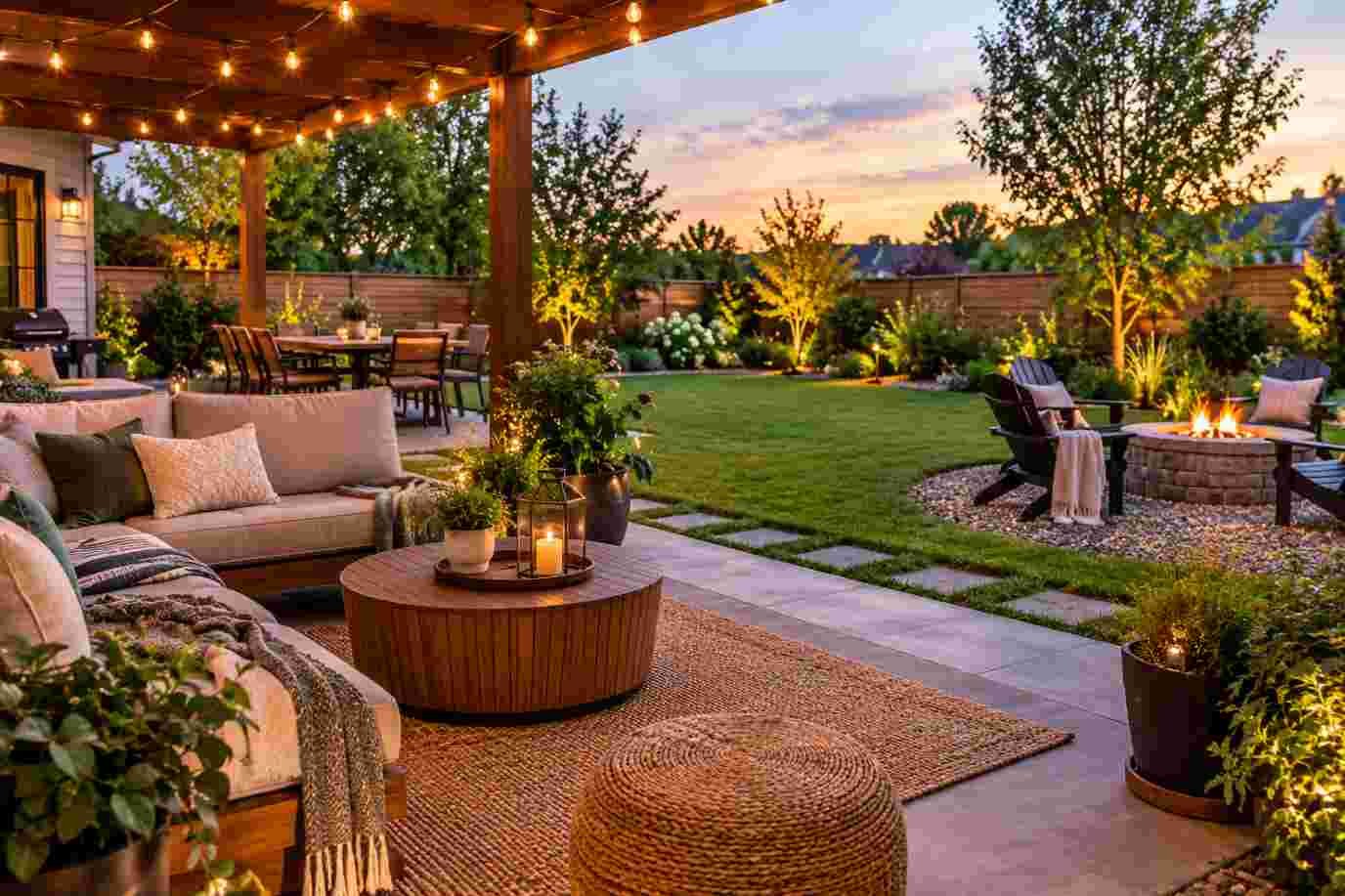
A truly exceptional backyard is far more than just a patch of green grass behind a house; it is an extension of your home, a living canvas designed for both energetic social gatherings and moments of quiet restoration. The secret to achieving a captivating landscape lies in mastering contrast—specifically, the thoughtful balance between cozy corners and sweeping open spaces.
When designed with intention, your yard can feel simultaneously intimate and expansive. By thoughtfully allocating zones for solitude alongside areas built for group entertainment, you create an outdoor environment that adapts effortlessly to every mood, season, and occasion.
The Magic of Cozy Corners: Crafting Intimate Nooks

Cozy corners act as sanctuary spaces within a larger yard. These are the destinations where you retreat with a morning cup of coffee, lose yourself in a good book, or share late-night conversations under the stars.
To create an inviting outdoor nook, consider the following design principles:
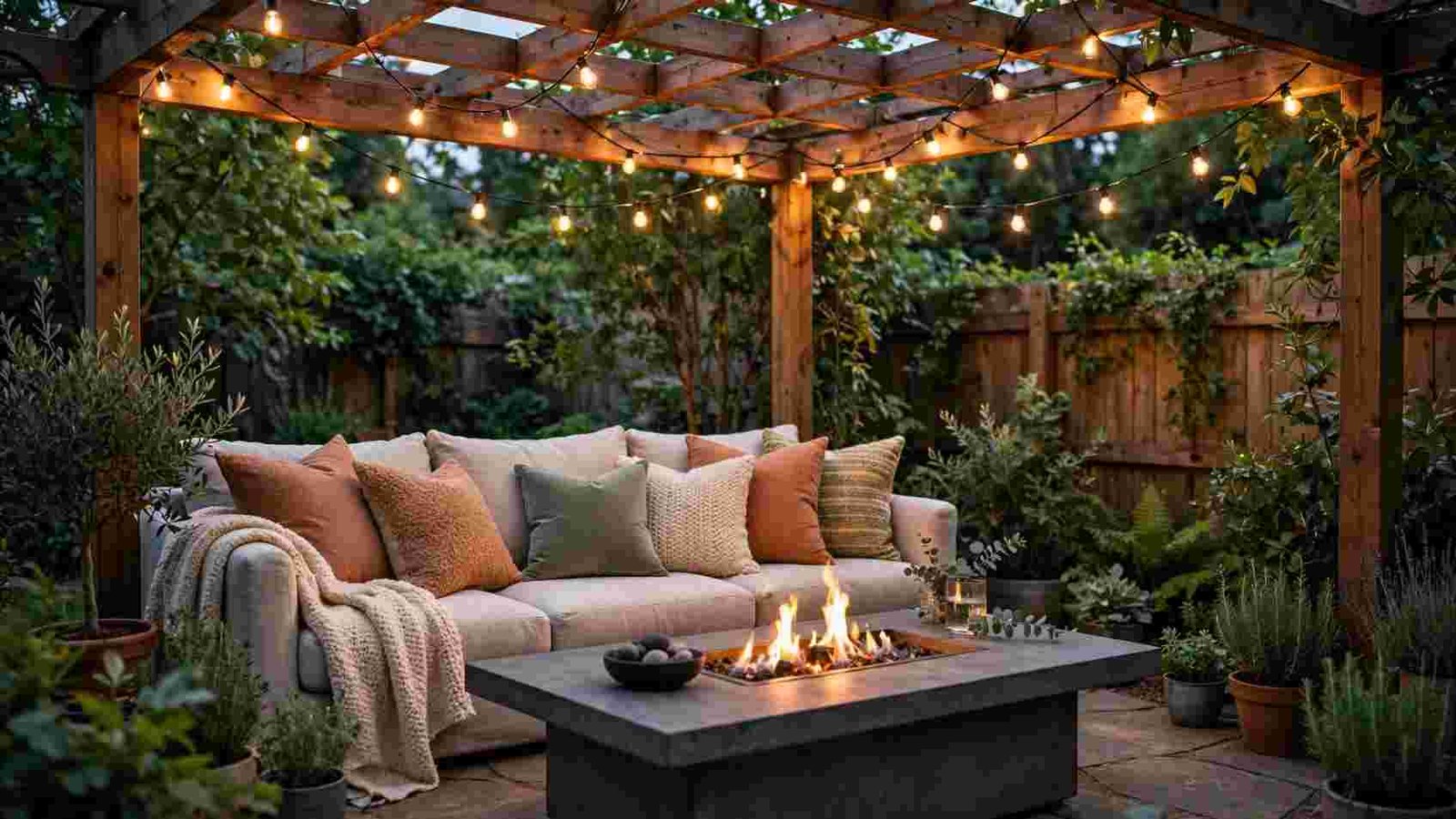
- Sense of Enclosure: Use natural or architectural elements to frame the space. A cedar pergola, vertical wooden slats, or a dense wall of climbing jasmine can provide subtle physical borders that make a seating area feel protected and private.
- Tactile Comfort: Transition away from stiff patio chairs. Introduce plush, weather-resistant sectional sofas, hanging egg chairs, or deep-seated lounge furniture layered with textured outdoor pillows and warm throws.
- Ambient Elements: Incorporate a small gas fire table, a soothing fountain, or warm bistro lighting. The gentle crackle of fire or the steady murmur of cascading water adds a layer of sensory warmth that draws people in.
Positioning these nooks in tucked-away sections of your yard—such as against a rear fence line, beside a lush flower garden, or under the canopy of a shade tree—encourages exploration and makes your property feel larger by revealing its features gradually.
Embracing Open Spaces: Freedom, Function, and Flow
While cozy nooks satisfy our need for quiet retreat, open spaces fulfill our desire for social gathering, play, and visual breathability. Unobstructed areas bring a sense of airiness to a landscape, preventing a yard from feeling cluttered or visually overwhelming.
When planning your open zones, prioritize multi-purpose functionality:
- Expansive Lawns and Decks: Maintain a clear central lawn or a spacious paver patio. These areas serve as flexible stages for hosting outdoor summer dinners, playing games with children or pets, or setting up seasonal event seating.
- Sightlines and Horizons: Ensure that open spaces keep key sightlines clear from the main home interior to the edge of the property. Wide open views connect indoor spaces with the outdoors, making both feel exponentially larger. Creating a seamless connection between indoor and outdoor areas can make a backyard feel like a natural extension of the home. Exploring indoor-outdoor living features for luxury homes offers ideas for integrating spacious patios, large glass doors, and comfortable outdoor seating to create a cohesive living environment.
- Seamless Transitions: Connect your indoor living room directly to an open outdoor patio using wide sliding glass doors or continuous flooring materials. This creates a natural movement pattern during parties and family events.
The Central Anchor: Merging Water and Architecture
To seamlessly bridge the gap between wide-open lawns and quiet lounge nooks, every great backyard needs a captivating central focal point. Water features excel at playing this unifying role, acting as both a visual center for open spaces and a relaxing backdrop for neighboring cozy corners.
For homeowners looking to elevate their outdoor lifestyle, installing inground pools in Utah offers the ultimate architectural anchor. A beautifully crafted pool creates a magnificent reflection of the sky that visually enlarges open spaces, while its surrounding deck provides the perfect foundation for sun loungers, fire pits, and shaded daybeds. Whether bordered by clean geometric pavers or surrounded by natural stone masonry, a pool ties disparate zones together into a cohesive, resort-style retreat.
Thoughtful backyard design can also contribute to a property’s overall appeal when homeowners consider future resale value.
Understanding the factors that increase luxury home resale value can help homeowners prioritize attractive outdoor features, such as well-designed pools, inviting seating areas, and functional landscaping, that complement the home’s broader design.
Hardscaping and Pathways: Connecting the Zones
The key to preventing a dual-concept yard from feeling disjointed is establishing clear pathways and cohesive design language throughout the landscape.
Before starting a backyard renovation, reviewing the property’s layout can help homeowners plan pathways, seating areas, and outdoor features more effectively. Learning how to read architectural blueprints can make it easier to understand dimensions, spatial arrangements, and design details when coordinating different zones within an outdoor living space.
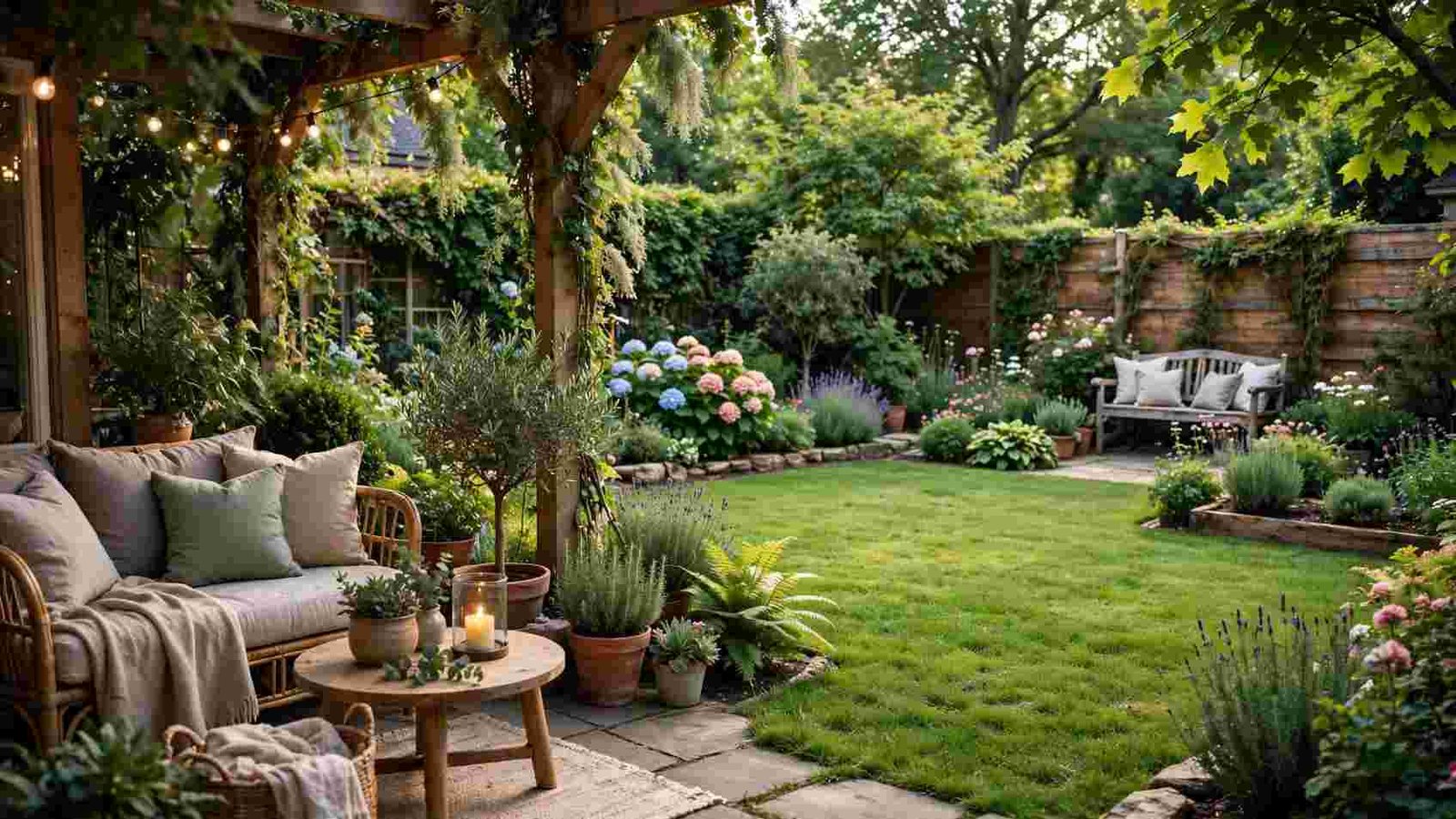
- Textured Pathways: Guide movement between open entertainment patios and secluded nooks using stone stepping stones, gravel walkways, or brick pavers. Curved paths build anticipation as they lead around plant beds to hidden seating areas.
- Material Consistency: Maintain a unified color palette across all hardscaping elements. Matching the stone on your outdoor kitchen island with the coping around your water features and the pavers beneath your cozy fire pit creates a harmonious flow across the entire property.
- Layered Landscaping: Use varied plant heights to define transitions. Soft ornamental grasses and low-growing perennials can frame open lawn areas without blocking sightlines, while tall evergreen shrubs or bamboo provide privacy screens for cozy nooks.
Bringing Your Vision to Life
Designing the perfect backyard is a journey of balance. By dedicating space to both energetic gathering hubs and serene, sheltered retreats, you craft a dynamic landscape that honors every facet of outdoor living. Start by analyzing how your family naturally uses the yard, map out your functional zones, and build an environment where open freedom and cozy comfort live side by side.