Cold marble can look stunning, but luxury should never stop at appearances. The best heated floor ideas for luxury bathrooms turn beautiful surfaces into something you can actually feel, bringing gentle warmth beneath marble, stone, and porcelain while giving the entire room the calm of a private spa.
I love this upgrade because it works quietly in the background. No bulky heaters are competing with a sculptural tub or carefully chosen finishes. Instead, radiant warmth rises beneath your feet, smart zones heat the places you use most, and even a walk-in shower can become part of the experience.
When premium materials and thoughtful heating design come together, an ordinary morning routine starts to feel remarkably indulgent.
Which Heated Flooring Materials Look Best in a Luxury Bathroom?
Bookmatched Marble and Natural Stone
Marble, granite, and limestone conduct heat well, making them natural partners for radiant floor heating. Large bookmatched marble slabs can continue dramatic veining across the room while reducing grout lines.
In wet areas, I prefer honed or brushed stone over highly polished surfaces. The softer texture can improve traction while preserving the elegant matte appearance expected in a luxury bathroom.
Large-Format and Wood-Look Porcelain
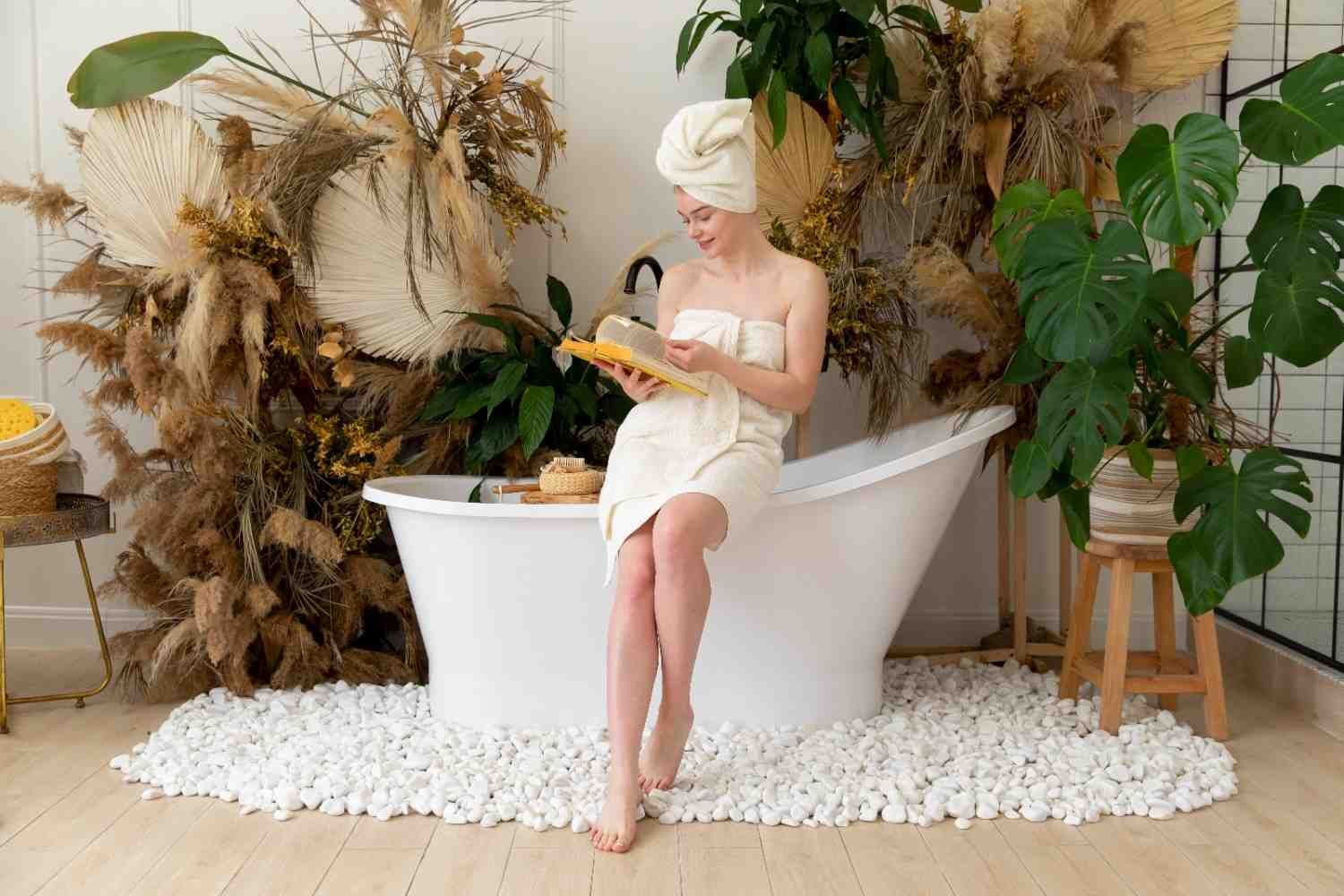
Large-format porcelain can imitate marble, limestone, or concrete while handling bathroom moisture well. Fewer grout lines make the room appear cleaner and more expansive.
For a warmer look, premium wood-look porcelain can mimic oak or walnut without the same humidity concerns as natural wood. Chevron and double-herringbone layouts add craftsmanship and visual movement throughout the room.
How Can Radiant Heat Upgrade a Walk-In Shower?
Zero-Threshold Heated Showers
A curbless shower lets the main flooring transition smoothly into the wet zone. When a radiant system is approved for shower use, heating can continue beneath compatible shower tile.
A linear drain works especially well here. Positioning it near an edge helps preserve an uninterrupted tiled surface and supports the clean, contemporary aesthetic associated with high-end spa bathrooms.
Heated Shower Benches and Ledges
Compatible radiant systems may also be designed for approved built-in benches, ledges, or other shower surfaces. This can create the comforting warmth associated with a traditional hammam or Turkish bath.
I would always treat this as a specialist installation because waterproofing, electrical requirements, wet-location approvals, and manufacturer instructions must guide the design.
Where Should Heated Flooring Go Around a Tub and Vanity?
The area around a freestanding soaking tub is one of the best places to prioritize warmth. Stepping from a bath onto heated marble or porcelain changes the experience immediately.
I also like warmer zones near double vanities and other places where people stand for longer periods. Thoughtful zoning can direct comfort where it matters most.
Heating elements generally should not sit beneath permanent cabinetry, toilets, or fixtures unless the manufacturer permits it. Finalize the bathroom layout before installation so the heating plan follows the usable floor area.
Are Smart Zoned Heated Floors Worth It?
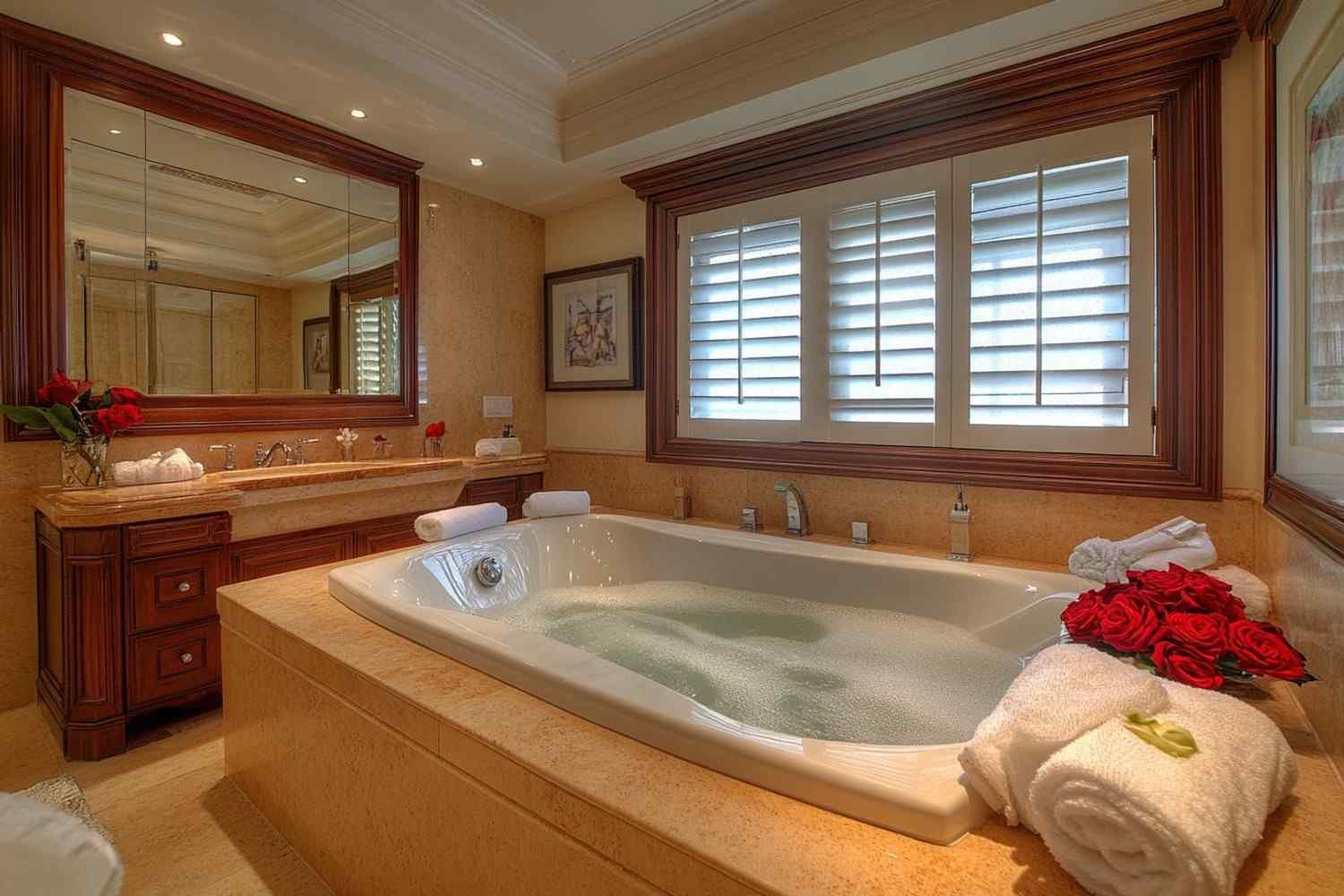
Smart controls make luxury bathroom underfloor heating far more convenient. A programmable thermostat can preheat the room before the morning routine and reduce output when the space is unused.
In larger primary suites, dual-zone controls can keep the vanity, shower, or tub area warmer while maintaining a lower setting elsewhere.
Compatible high-end home automation systems may also coordinate radiant heating with schedules, remote access, occupancy routines, and broader climate controls. The same integrated approach is often used with indoor-outdoor living features for luxury homes, helping heating, lighting, shading, and climate systems work together more seamlessly across connected spaces.
Platforms used in luxury homes can create sophisticated automation when the thermostats and heating equipment support integration. I prefer automation that quietly improves comfort rather than technology added simply for novelty.
Electric vs. Hydronic Radiant Heat: Which Is Better?
Electric heated bathroom floors typically use mats or cables beneath the finished surface. Their slim profile makes them particularly practical for remodels and targeted heating zones.
For that reason, electric floor heating is often my first choice when renovating an existing primary bathroom.
Hydronic radiant heating circulates warm water through tubing beneath the floor. It becomes more attractive in large new custom homes.
For an expansive new-build residence with whole-home radiant heat, hydronic heating may make more sense because the bathroom can become part of a larger integrated heating strategy.
How Much Do Luxury Heated Bathroom Floors Cost?
Costs depend on floor area, system type, electrical work, subfloor preparation, waterproofing, insulation, thermostat selection, finish material, and local US labor rates.
The smartest time to add radiant heating is usually when the bathroom floor is already being replaced. That allows the heating layer, waterproofing, stone or tile, and controls to be planned together.
Premium marble and custom stonework can raise the project budget, so compare the complete flooring assembly rather than focusing only on the price of the heating system.
What Spa Features Pair Best With Heated Floors?
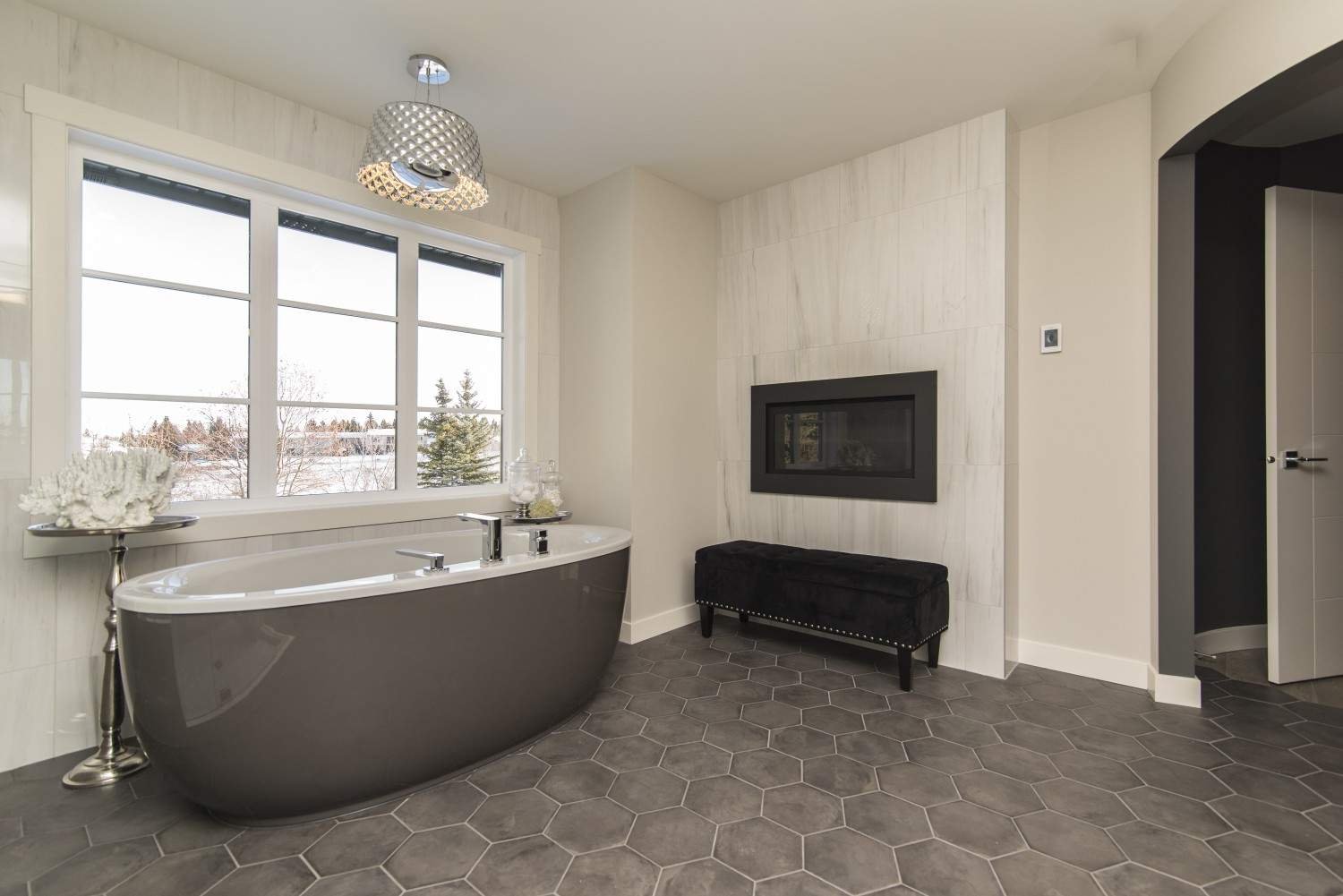
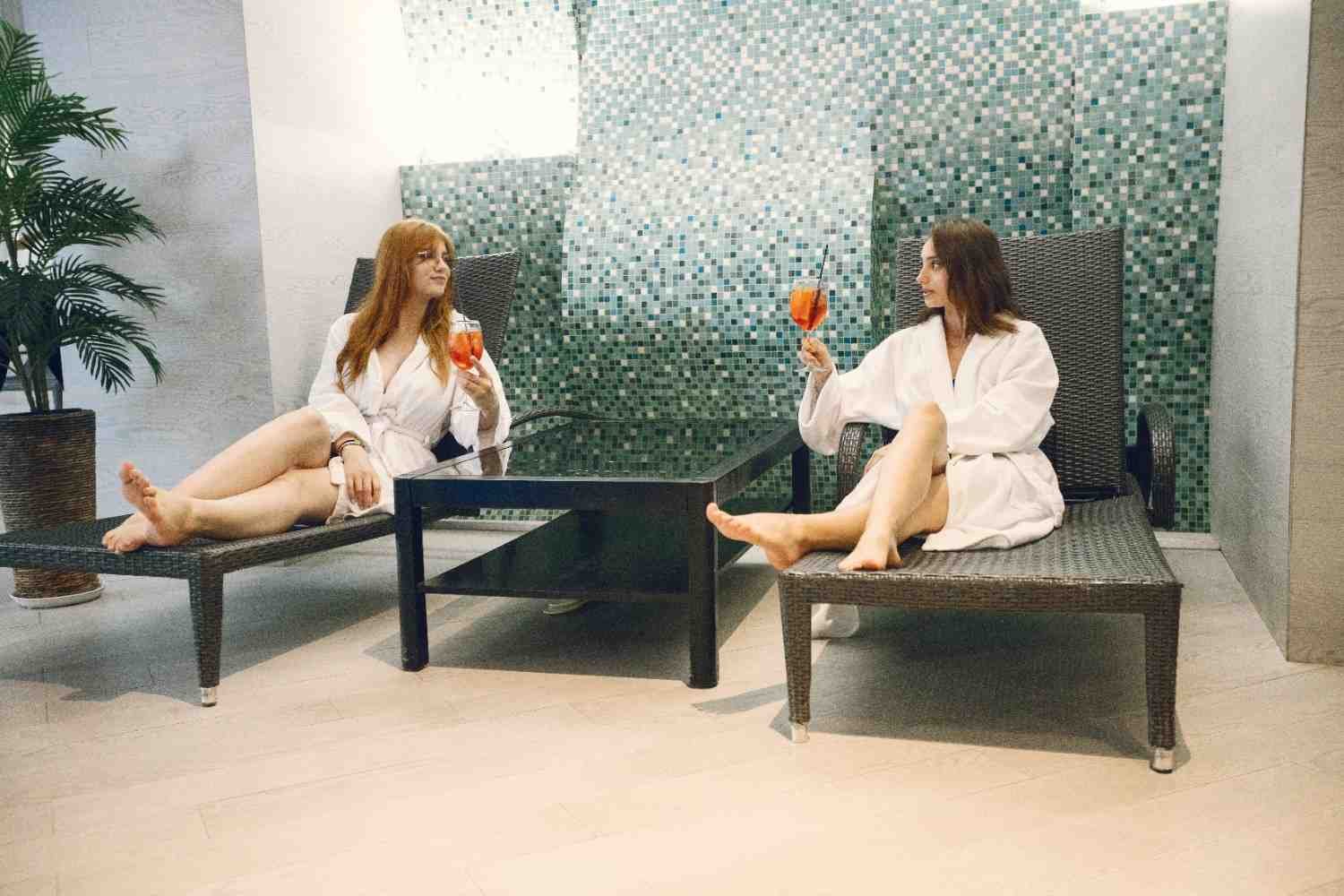
Radiant flooring works naturally with towel warmers, steam showers, rainfall showerheads, freestanding soaking tubs, dimmable lighting, and natural stone finishes. Together, these upgrades create a sensory bathroom experience.
I particularly like pairing heated tile floors with towel warmers. Warm flooring beneath your feet followed by a heated towel after a shower delivers the type of everyday comfort that makes a bathroom genuinely luxurious.
In colder US regions, warm flooring can feel especially worthwhile in bathrooms above garages, crawl spaces, or other naturally cool areas.
FAQs About Luxury Bathroom Floor Heating
1. What are the best heated floor ideas for luxury bathrooms?
Heated marble, large-format porcelain, wood-look tile, zero-threshold showers, warm tub zones, smart thermostats, and independently controlled heating zones are strong luxury options.
2. Can Radiant Heating Go Under Marble Bathroom Floors?
Yes. Marble and many natural stones transfer heat effectively when the heating system, substrate, setting materials, and stone installation are designed to work together.
3. Can Heated Flooring Be Installed Inside a Shower?
Some systems are approved for shower floors and other wet locations. Installation must follow manufacturer requirements as well as applicable waterproofing and electrical codes.
4. Are Heated Bathroom Floors Worth It?
They can be especially appealing in primary bathrooms, colder climates, and homes where tile or stone naturally stays cool.
Warmth Is the Luxury You Actually Feel
When I plan a luxury bathroom, I want every material and feature to improve the experience. Bookmatched stone, heated shower surfaces, smart zoning, linear drains, wood-look porcelain, and carefully positioned radiant heat can make the room sophisticated without becoming overdesigned.
The strongest heated floor ideas for luxury bathrooms combine beauty with practical planning. Choose flooring that transfers heat effectively, decide where warmth matters most, verify wet-area compatibility, and coordinate the heating system before the finished floor goes down.
Done well, radiant heating becomes almost invisible visually, yet it may be one of the luxury features you appreciate most every morning.