A luxury office should do more than photograph beautifully. When I think about luxury home office features, I picture a private command center that combines bespoke craftsmanship, smart technology, acoustic control, ergonomic comfort, and visual restraint.
For U.S. homeowners who work remotely, run a business, or take confidential meetings, the best designs make productivity feel effortless while matching the architecture of the home.
What Makes a Home Office Truly Luxurious?
The difference between an ordinary office and a high-end workspace often appears in the details you barely notice. Cables disappear, lighting adapts, storage hides paperwork, and the room stays quiet and comfortable. A luxury workspace should also reflect how the owner actually works rather than resemble a staged corporate suite.
The goal is not to fill the room with expensive objects. I prefer a restrained luxury home office design where craftsmanship, technology, privacy, and functionality work together.
Which Desk and Chair Create a High-End Executive Workspace?
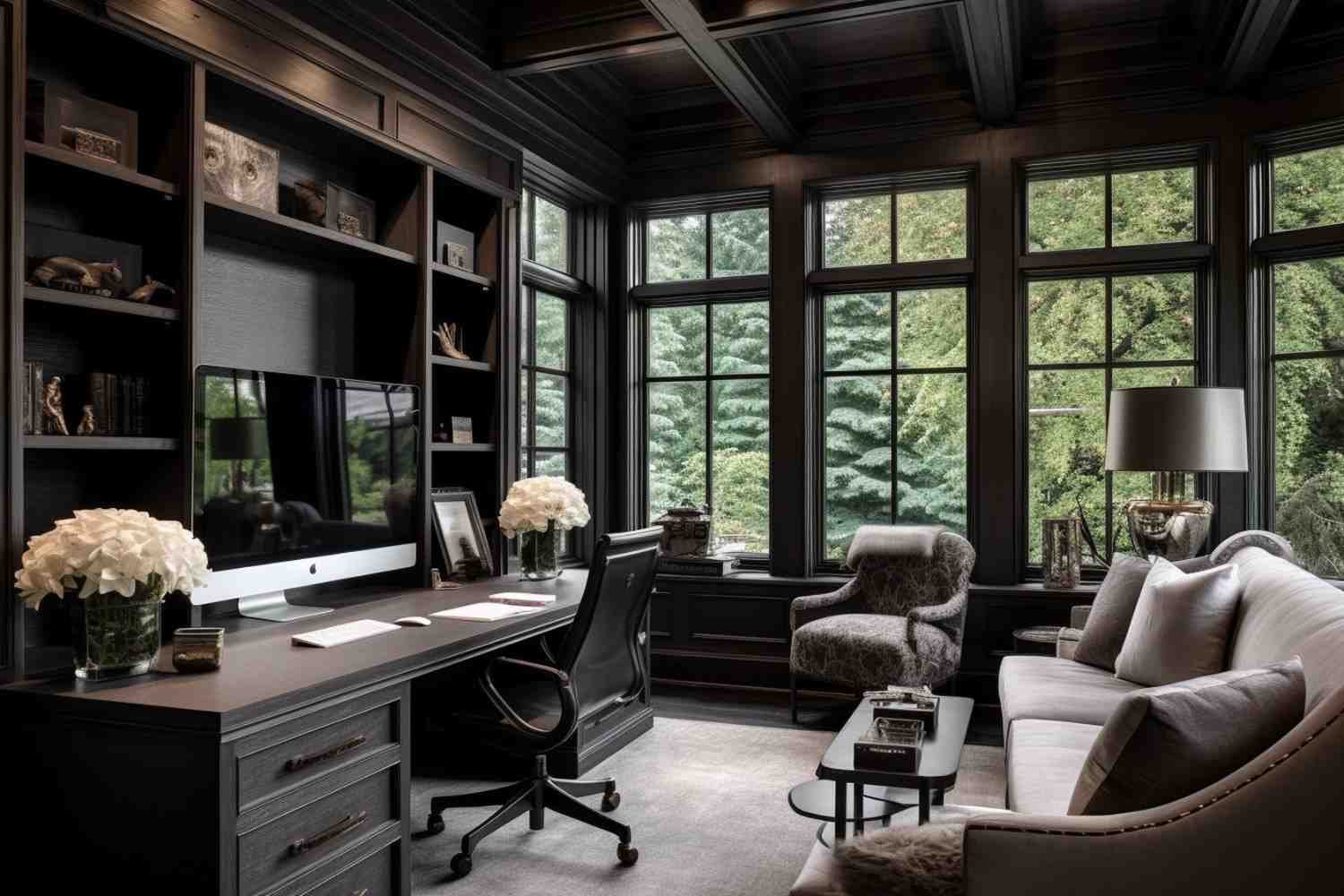
The desk is the visual anchor of any executive home office. Bespoke desks made from polished marble, solid teak, walnut, high-gloss veneer, or leather-topped surfaces can create a strong focal point without overwhelming the room.
In larger spaces, an L-shaped return or custom side unit can hide a CPU (A central processing unit), files, printers, office equipment, and charging devices while keeping the main desktop completely clear.
Ergonomic seating matters just as much as appearance. I would choose a fully adjustable executive chair with lumbar support, tilt control, and premium leather or textile upholstery over a purely decorative seat.
Modern luxury offices can also incorporate sit-stand mechanisms directly into custom wood or stone desks. That gives homeowners ergonomic flexibility without making premium furniture look overly technical.
How Should Smart Technology Be Hidden in a Luxury Office?
High-end technology should feel built into the architecture rather than added after the room is complete.
Hidden wire channels, pop-up power and data boxes, wireless charging zones, integrated USB-C connections, and strategically positioned outlets keep the workspace visually calm. Hardwired internet, strong Wi-Fi, and backup power are particularly valuable for U.S. professionals who depend on video meetings, cloud platforms, and uninterrupted connectivity.
A serious executive workspace may also include a high-definition or 360-degree conferencing camera, discreet ceiling microphones, hidden speakers, and acoustic wall panels.
Smart home office technology can extend to motorized shades, automated lighting scenes, voice-controlled climate systems, and programmable settings for focused work, reading, presentations, and video calls.
The most sophisticated technology is often the technology you barely see.
Which Architectural Finishes Make a Home Office Look Expensive?
Materials should feel substantial rather than flashy.
Floor-to-ceiling wood paneling, fluted accent walls, fine textile or silk-style wallcoverings, plaster finishes, and detailed custom millwork can give a high-end home office architectural depth.
Built-in cabinetry works particularly well when open shelving and display areas are combined with concealed storage. Files, printers, routers, charging equipment, and office supplies can disappear behind matching doors while books, art, and personal objects remain visible.
Lighting should work in layers. A sculptural chandelier can establish the room’s character, while recessed lighting provides ambient illumination. A brass or architectural desk lamp adds focused task lighting, and gallery or shelf lighting can highlight artwork and collections.
Premium hardwood or polished stone can create a sophisticated flooring base. I like adding a thick wool rug because it softens the room, reduces echo, and visually anchors the workstation.
Is Soundproofing and Privacy Worth the Investment?
For me, privacy is one of the most practical forms of luxury.
Whenever possible, I would locate the office away from kitchens, media rooms, children’s spaces, and heavily traveled hallways. Larger luxury homes may even benefit from a separate exterior entrance, allowing clients, advisors, or business partners to visit without entering private family areas.
Solid-core doors, insulated walls, acoustic panels, upholstered surfaces, substantial rugs, and heavy window treatments can reduce distractions while making confidential conversations more private.
In a new custom home, acoustic planning should happen before drywall and millwork are installed. That generally creates a cleaner and more integrated result than adding soundproofing afterward.
Should a Luxury Office Include an Executive Lounge?
If square footage allows, a secondary seating zone can transform the way the room functions.
Velvet armchairs, a chaise lounge, a small sofa, or a refined meeting table can create a comfortable space for reading, informal conversations, or client discussions away from the main workstation.
Larger executive home office ideas may also incorporate a hospitality area. A concealed espresso station, integrated beverage refrigerator, wine cooler, or custom dry bar can add convenience while maintaining the room’s polished appearance.
Personalization completes the space. Oversized artwork, abstract paintings, gallery lighting, books, sculpture, photographs, and collected artifacts can make an office feel distinctive instead of looking like a luxury hotel business center.
How Do Natural Light and Climate Control Improve Comfort?
Natural light can dramatically improve a workspace, but it needs careful control.
I prefer positioning a desk where the homeowner can enjoy daylight and outdoor views without creating distracting monitor glare. Motorized shades can filter afternoon sun, increase privacy, and create better lighting conditions for video calls.
Independent HVAC zoning is another high-end home office feature I would prioritize. Computers, large windows, lighting, and closed doors can make office temperatures different from the rest of the house.
Zoned climate control, quality air filtration, humidity management, and proper ventilation can keep the workspace comfortable throughout long working days.
These hidden systems often contribute more to everyday luxury than decorative upgrades.
Can a Luxury Home Office Add Appeal to a U.S. Property?

A well-designed dedicated office can strengthen the appeal of a luxury property, particularly when the room feels permanent but remains adaptable.
Custom cabinetry, premium lighting, sound control, reliable connectivity, quality materials, and thoughtful infrastructure can remain valuable even if the next homeowner uses the space differently.
I would avoid overly personalized permanent installations that restrict future use. A sophisticated executive office should still be capable of becoming a library, study, meeting room, creative studio, or private retreat.
Flexibility protects the usefulness of the investment while widening its appeal to future buyers.
Frequently Asked Questions (FAQs)
1. What should a luxury home office include?
A high-end home office should combine ergonomic furniture, custom cabinetry, layered lighting, acoustic privacy, premium materials, reliable connectivity, integrated smart technology, and climate control.
2. What makes a home office look expensive without feeling flashy?
Custom millwork, natural wood or stone, concealed wiring, statement lighting, restrained materials, oversized artwork, and clutter-free surfaces create a polished executive look.
3. Is a separate entrance useful for an executive home office?
Yes, especially for homeowners who regularly meet clients or advisors because a separate entrance can keep professional visitors away from private family spaces.
4. What smart features are most useful in a modern home office?
Automated shades, lighting presets, hidden charging, wired and wireless connectivity, integrated conferencing equipment, smart climate controls, and backup power provide strong everyday value.
The Real Luxury Is How Effortlessly the Room Works
I have found that the best high-end offices are not necessarily the rooms containing the most expensive furniture. They are the rooms where every decision supports focus.
A beautifully crafted marble or walnut desk matters, but so do quiet walls, stable internet, flattering video-call lighting, comfortable air, concealed cables, organized storage, and seating that remains comfortable after several hours.
When I prioritize luxury home office features, I start with privacy, ergonomics, lighting, connectivity, acoustics, climate, storage, and appropriate luxury home security features such as controlled access, discreet surveillance, and secure network infrastructure. Then I layer in marble, woodwork, tailored upholstery, statement art, smart technology, and hospitality details.
That order creates a workspace that feels genuinely luxurious because it performs at a higher level, not simply because it looks expensive.