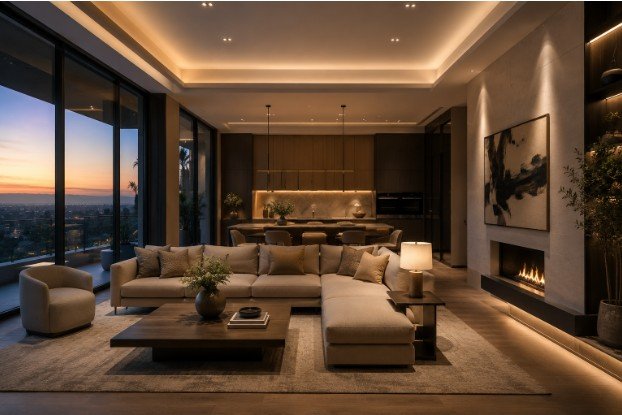

Luxury used to be easy to spot: marble, chef-grade kitchens, and oversized primary suites. Today, I think the most impressive homes are also defined by what works quietly behind the walls. Clean air, purified water, thoughtful lighting, acoustic comfort, healthier materials, and private recovery spaces are becoming part of the modern luxury standard.
That shift explains why healthy home features for luxury homes are becoming serious design priorities across the United States. Wellness architecture now aims to support comfort, sleep, movement, focus, and recovery rather than relying on impressive finishes alone.
Which Indoor Air Quality Features Matter Most in a Luxury Home?
I would start with air before adding a sauna or statement bathtub. High-performance HVAC, high-efficiency MERV 16 filtration where the system can properly accommodate it, HEPA-based purification where appropriate, humidity control, and continuous air-quality monitoring can make a large home feel noticeably fresher.
Energy recovery ventilators, or ERVs, exhaust stale air while bringing in filtered outdoor air and recovering some heating or cooling energy. That makes them particularly useful in tightly built luxury homes where efficiency and fresh-air ventilation need to work together.
Wellness-focused upgrades can also extend to heated floor ideas for luxury bathrooms, where radiant warmth adds everyday comfort without compromising the clean, refined feel of the space.
Why Source Control Belongs in Healthy Luxury Home Design
The next step is reducing pollutants before they enter the indoor environment. The Global Wellness Institute identifies plastic-conscious interiors and healthier material selection among emerging wellness architecture trends.
I would favor solid wood, stone, ceramic, wool, cotton, cork, and other low-emission materials where practical. Low- and zero-VOC-rated paints, adhesives, cabinetry, insulation, and flooring can also help reduce indoor emissions. Architectural Digest has similarly emphasized material transparency and healthier building alternatives instead of relying on vague green claims.
How Can Circadian Lighting Improve a Luxury Home?
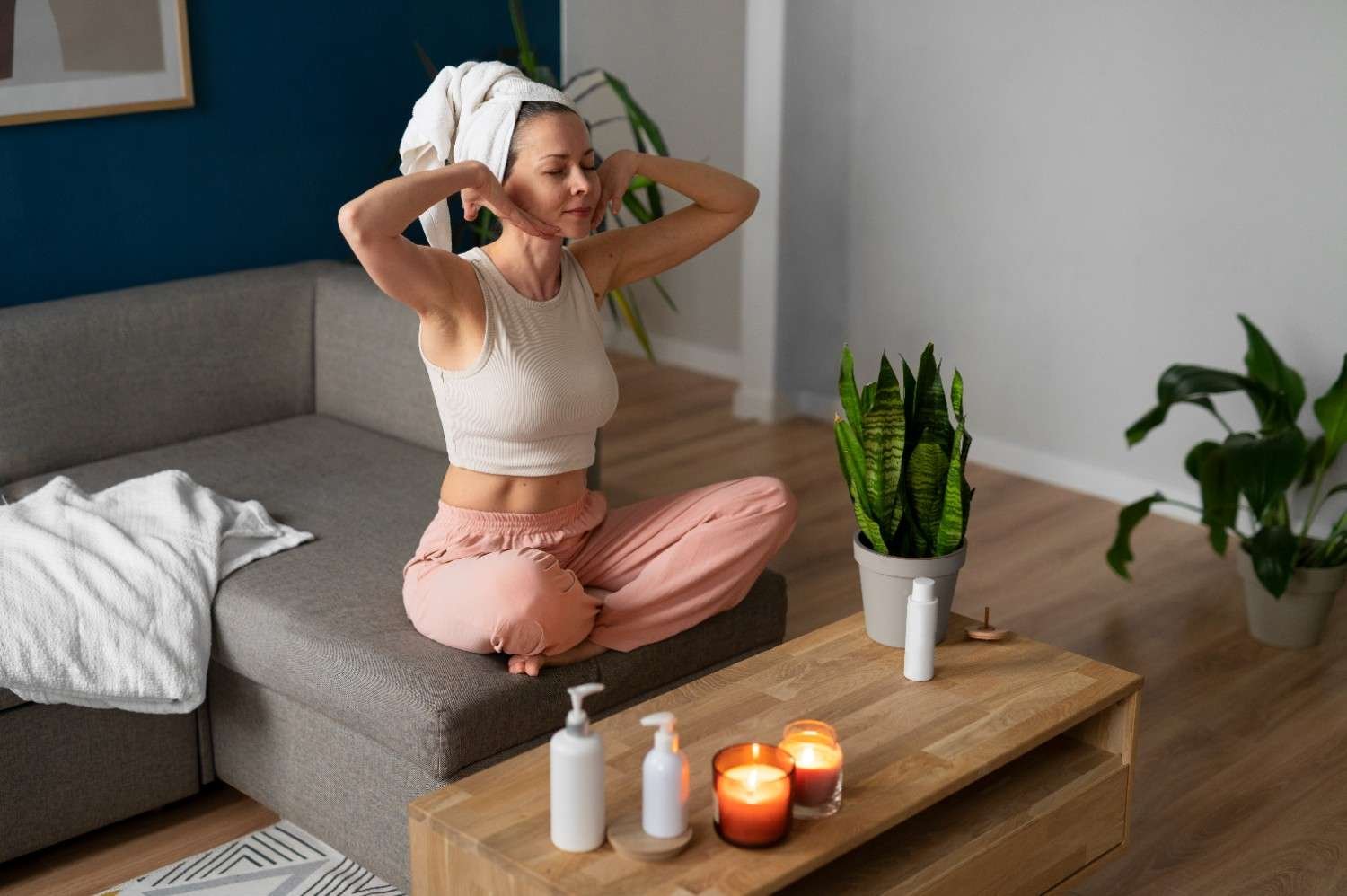
Circadian lighting systems can change brightness and color temperature throughout the day, delivering brighter, cooler light during active hours and warmer, dimmer light toward evening.
High-end homes can pair these systems with AI-assisted controls, automated solar-responsive shades, floor-to-ceiling glazing, skylights, courtyards, and internal light wells. High-performance glass and intelligent shading can control glare and solar heat while preserving useful natural daylight.
Forbes and the Global Wellness Institute have highlighted circadian lighting in current wellness-design coverage, particularly for rooms with limited access to daylight.
Is Advanced Water Purification Worth Adding?
Whole-house water quality deserves the same attention as indoor air. A point-of-entry filtration system treats water as it enters the property, while point-of-use systems can provide additional purification for drinking and cooking.
Based on local water testing, a luxury residence may use carbon filtration, specialty filtration media, reverse osmosis at selected taps, or UV disinfection where appropriate. I prefer this customized approach because water conditions can differ significantly across US cities and private-well properties.
Saltwater pools can also complement a wellness-focused estate. These systems generate chlorine from salt rather than relying only on manually added chlorine, and many homeowners prefer the resulting water feel. Corcoran Property Advisors includes saltwater pools among current luxury outdoor-living trends.
What Makes a Luxury Bedroom Better for Sleep?
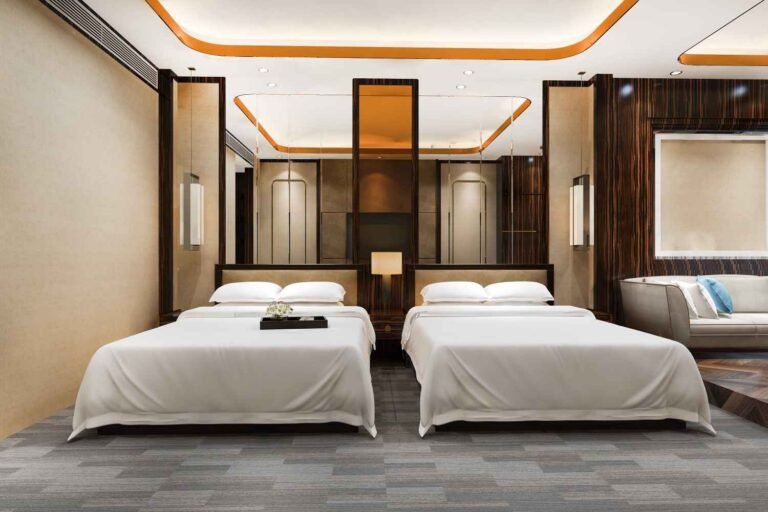
A beautiful bedroom should also make it easier to rest. I would prioritize quiet mechanical systems, blackout shades, zoned temperature control, filtered air, low-glare evening lighting, and strong acoustic separation.
Multi-pane acoustic glass, insulated partitions, sound-rated doors, resilient subfloor assemblies, and thoughtful room placement can reduce intrusive noise. Bedrooms, offices, meditation rooms, and recovery spaces especially benefit from this approach.
The goal is not complete silence. It is a controlled, restorative soundscape that makes a luxury home feel genuinely peaceful.
Which Spa and Recovery Features Add Real Luxury?
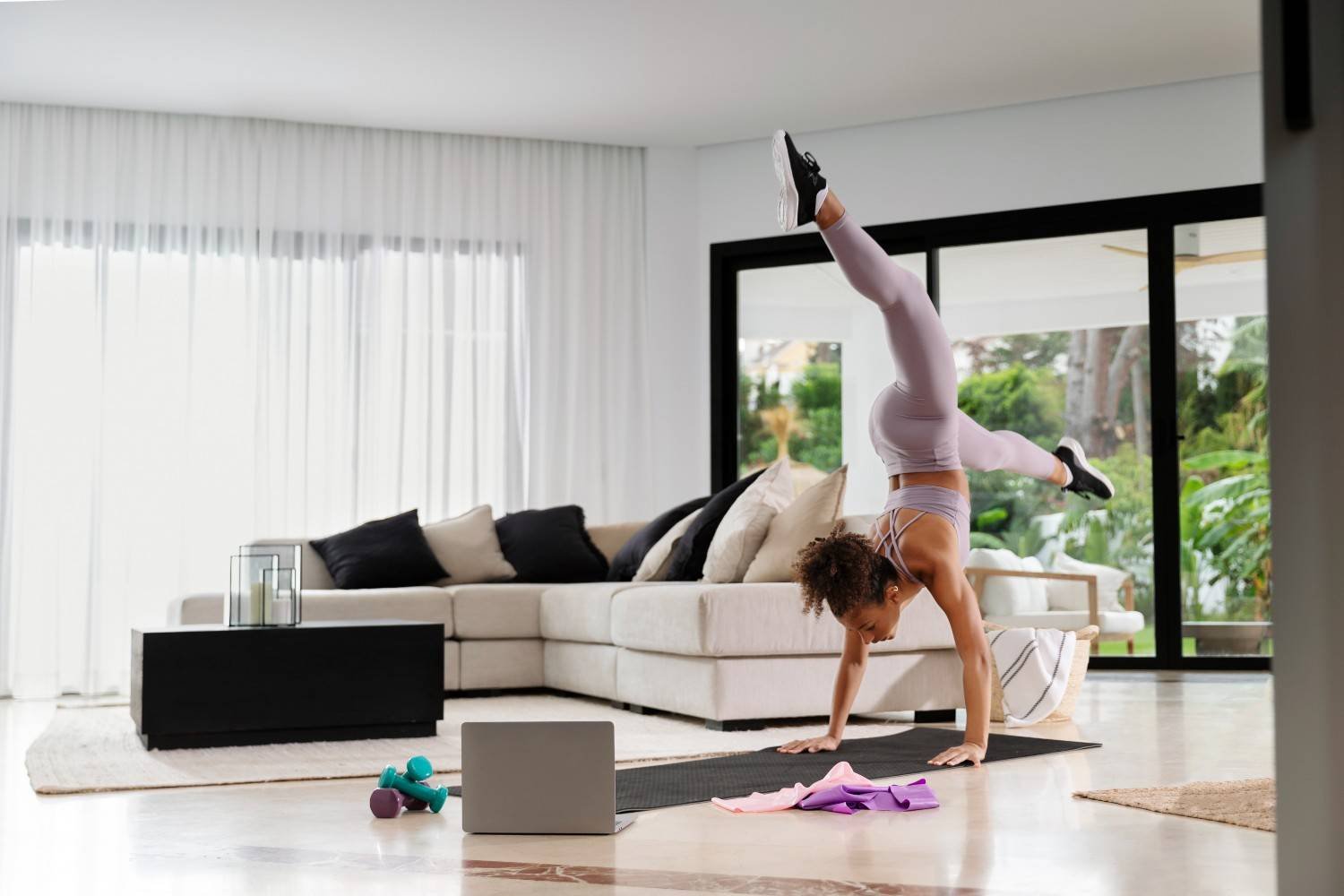
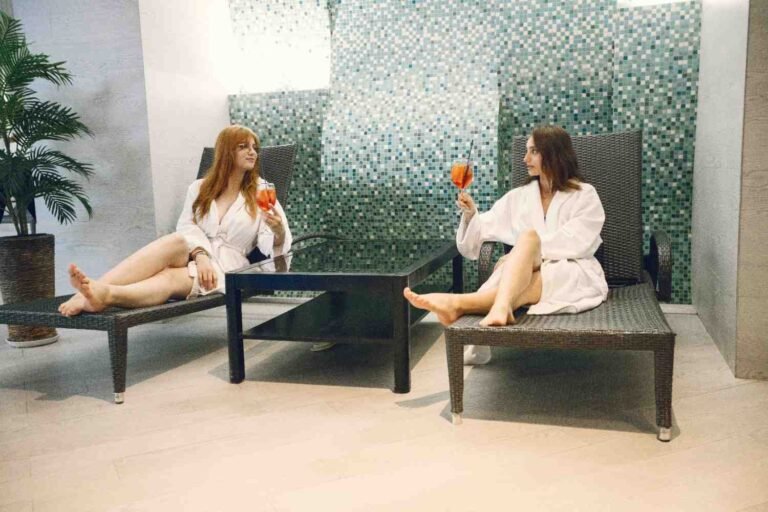
Dedicated wellness wings can combine an infrared or traditional sauna, cold plunge, stretching area, massage zone, hydration station, and home gym. Pairing heat and cold spaces creates the private recovery suite increasingly associated with high-end wellness living.
Primary bathrooms can go further with steam showers, integrated benches, hydrotherapy fixtures, radiant heated floors, chromotherapy lighting, and automated aromatherapy. I would treat colored lighting and scent as sensory luxuries rather than attach unsupported medical promises to them.
Ventilation, waterproofing, drainage, and moisture control remain essential. A beautiful wellness suite that creates humidity problems elsewhere in the house defeats the entire purpose.
How Does Biophilic Design Support Wellness?
Biophilic luxury design brings nature into daily life through garden views, natural materials, indoor planting, courtyards, and calming water elements. A restrained indoor fountain or reflecting pool can introduce gentle movement and sound while making a room feel more restorative.
For many US homes, covered patios, retractable glass walls, outdoor showers, saltwater pools, shaded lounges, and climate-responsive landscaping can extend this experience beyond the interior.
This is where wellness architecture becomes more than adding houseplants. The architecture itself creates a stronger relationship between indoor spaces and nature.
Can Smart Home Technology Make Wellness Automatic?
The best technology almost disappears.
Smart-home systems can coordinate circadian lighting, motorized shades, HVAC zones, humidity levels, indoor air monitoring, leak detection, pool controls, and customized sleep settings.
Corcoran’s 2026 luxury-design coverage also points to AI-enabled climate and lighting controls as part of the move toward seamlessly integrated technology.
I think the goal should be fewer controls for homeowners to manage and more systems quietly responding to changing conditions throughout the day.
Which Wellness Upgrades Should Luxury Homeowners Prioritize First?
I separate foundational wellness infrastructure from lifestyle amenities.
Air quality, ventilation, water treatment, moisture management, healthier materials, daylight, thermal comfort, and acoustic design should come first. Saunas, cold plunges, spa showers, meditation rooms, elaborate gyms, and dedicated recovery spaces can follow.
That order makes healthy home features for luxury homes more meaningful because the property itself supports wellness instead of simply being decorated with wellness products.
FAQs About Luxury Home Wellness Features
1. What wellness features do luxury home buyers want most?
Luxury buyers increasingly value cleaner air and water, abundant daylight, quiet bedrooms, spa bathrooms, private gyms, recovery spaces, smart climate systems, and stronger indoor-outdoor connections.
2. Is whole-house air purification worth it?
It can be, particularly in tightly sealed properties or regions affected by pollen, wildfire smoke, or outdoor pollution. HVAC design, ventilation, filter compatibility, and homeowner needs should determine the system.
3. Are saunas and cold plunges replacing home gyms?
Usually not. Luxury homeowners are increasingly combining them with gyms to create broader wellness and recovery suites rather than choosing one feature over another.
4. Which materials work best in a healthier luxury interior?
I would consider solid wood, natural stone, ceramic, cork, wool, low-emission cabinetry, and low- or zero-VOC-rated paints and adhesives while carefully reviewing manufacturer disclosures.
When the Healthiest Feature Is the Home Itself
I believe the next generation of luxury homes will be judged less by how many amenities they contain and more by how intelligently those amenities work together. Great wellness design begins with invisible infrastructure and ends with spaces people genuinely enjoy using.
The strongest healthy home features for luxury homes combine clean air, better water, human-centered lighting, acoustic comfort, healthier materials, restorative bedrooms, thoughtful technology, biophilic design, and private recovery spaces. When those pieces work together, wellness stops feeling like another luxury amenity and becomes part of the architecture itself.