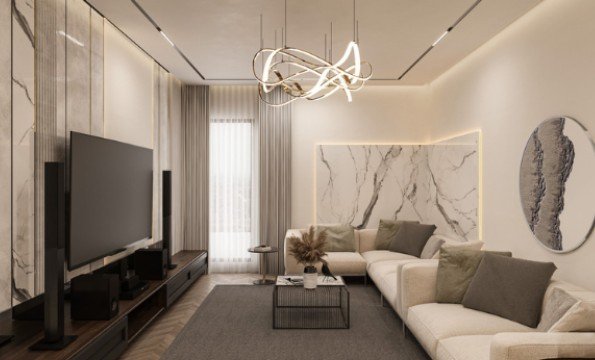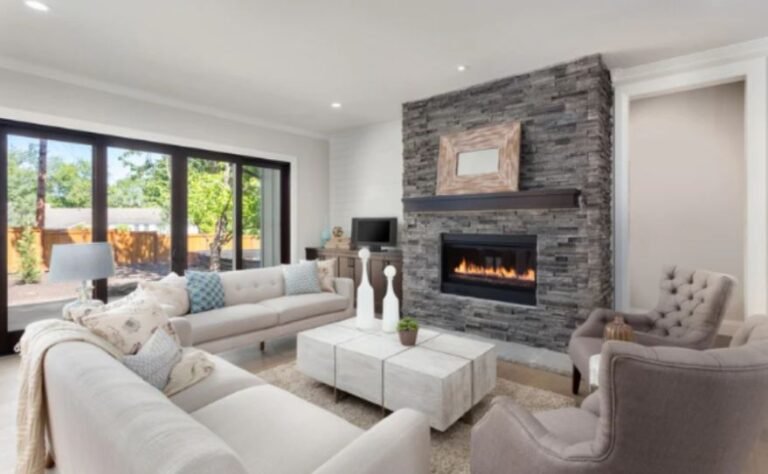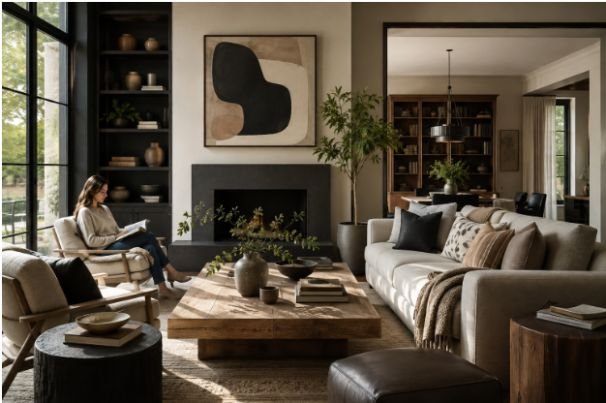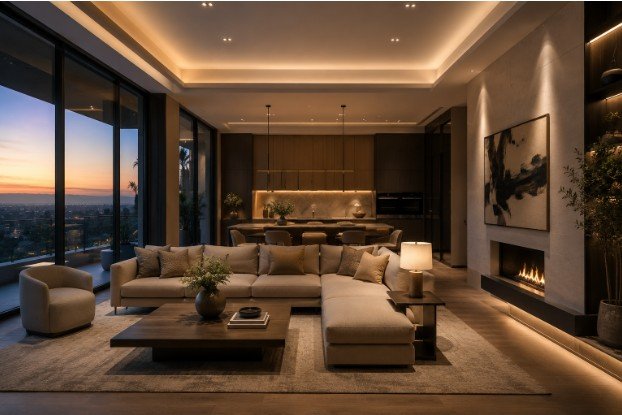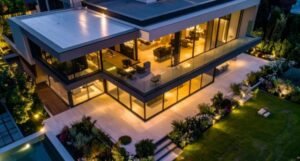
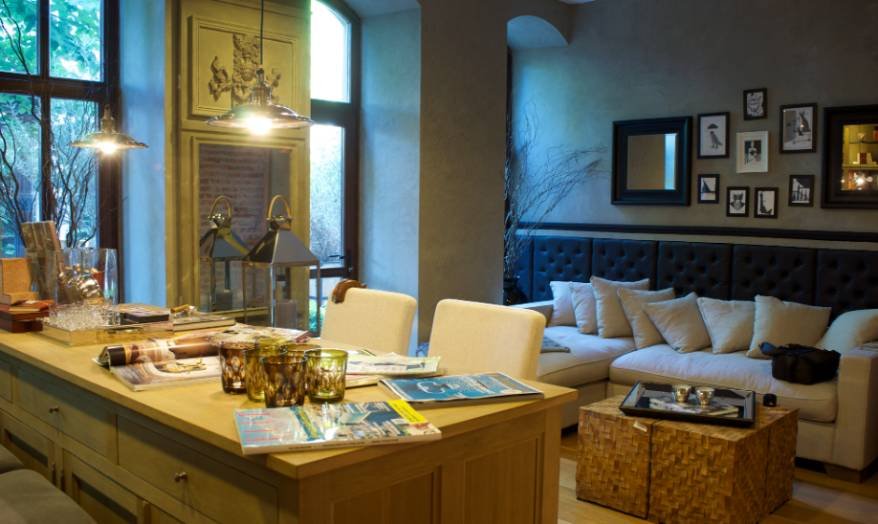
When I imagine a luxurious home, I do not simply picture marble floors, oversized rooms, or expensive decorative pieces. I picture a property that makes everyday life easier, supports long-term comfort, and remains attractive to future buyers. The best luxury home amenities worth investing in combine personal enjoyment with practical benefits rather than serving as costly status symbols.
However, not every premium addition delivers lasting value. Highly personalized rooms, complicated technology, and trend-driven finishes can be expensive to maintain or replace. The following amenities offer a more effective balance of functionality, timelessness, comfort, and buyer appeal.
1. A Functional Chef’s Kitchen
A professionally designed kitchen remains one of the strongest investments in a high-end property. Buyers generally expect premium appliances, quality cabinetry, generous preparation surfaces, and convenient storage.
A large island can support food preparation, casual meals, and social gatherings. A walk-in pantry, concealed appliance storage, or separate preparation kitchen keeps the main area organized while entertaining. The layout should come before decorative finishes because an attractive kitchen will still disappoint if it is uncomfortable to use.
2. Energy-Efficient Windows and Insulation
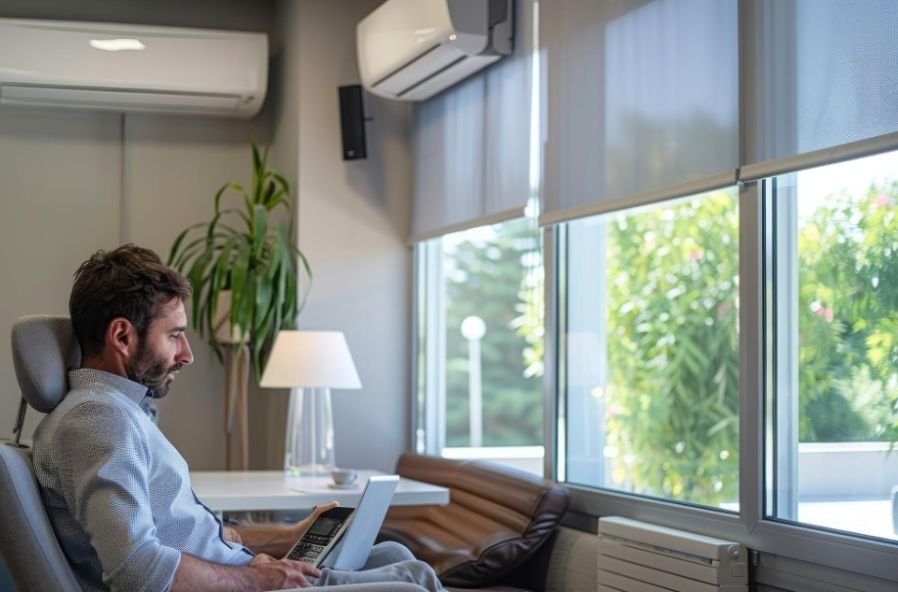
Some of the most valuable upgrades are almost invisible. High-performance windows, effective insulation and air sealing, and an efficient heating and cooling system can improve comfort while controlling operating expenses.
These improvements may reduce drafts, outside noise, humidity problems, and temperature differences between rooms. They also have broader appeal than experimental technology because nearly every homeowner values comfortable rooms and manageable energy bills.
3. Indoor-Outdoor Living Areas
Retractable glass doors, covered patios, outdoor fireplaces, and comfortable dining areas can extend the usable living space. These features are especially effective when the outdoor area feels like a natural continuation of the interior.
Well-planned indoor outdoor living features for luxury homes can strengthen this connection through seamless flooring, wide openings, covered terraces, outdoor kitchens, integrated lighting, and climate-conscious shading.
Climate should influence the design. Shade, heating, ventilation, drainage, and weather-resistant materials can make an outdoor space useful for more months of the year. A versatile covered terrace will often appeal to more buyers than an elaborate feature that only works during one season.
4. Practical Smart-Home Technology
Smart technology is worthwhile when it solves genuine problems. Integrated security, climate control, automated lighting, leak detection, video entry, and remote monitoring can make a large home easier to manage.
Choose reliable systems with simple controls and replaceable components. A complicated proprietary system may become obsolete or frustrate future owners. Infrastructure such as strong wiring, accessible control panels, and dependable internet coverage can be more valuable than installing every newly released device.
5. A Spa-Like Primary Bathroom
A well-designed primary bathroom provides a noticeable lifestyle benefit without requiring an excessively unusual layout. Heated floors, a spacious shower, a soaking tub, layered lighting, quality ventilation, and durable surfaces can create a relaxing environment.
The room should remain easy to clean and maintain. Timeless stone, restrained colors, and practical storage usually have wider appeal than fragile matter or dramatic finishes tied to a passing trend.
6. Flexible Wellness Space

Interest in health-oriented living has increased the appeal of private gyms, yoga rooms, saunas, meditation spaces, and recovery areas. Nevertheless, flexibility is crucial.
These spaces also reflect the essential features of a luxury lifestyle, where wellness, personal comfort, privacy, and time for restorative routines are often valued as highly as visual design.
A room with good ventilation, natural light, durable flooring, sound insulation, and sufficient electrical capacity can support different activities over time. Future owners could convert it into an office, studio, playroom, or additional bedroom. This adaptability protects its usefulness if wellness preferences change.
7. Multigenerational Guest Accommodation
A private guest suite can support visiting relatives, adult children, caregivers, or long-term guests. Useful elements include an accessible bathroom, storage, a sitting area, and a separate entrance when the property permits it.
This amenity can serve several generations and changing household needs. A flexible suite normally offers broader appeal than a room dedicated exclusively to a single hobby.
8. Custom Storage and Dressing Areas
Thoughtful storage makes a home feel calmer and easier to operate. Walk-in wardrobes, fitted dressing areas, kitchen storage, mudrooms, linen cabinets, and organized garages can reduce clutter without consuming unnecessary space.
Custom storage should match the architecture while remaining adjustable. Movable shelves, modular drawers, and adaptable hanging areas allow the system to accommodate different owners and belongings.
9. Durable, Timeless Materials
Premium materials are valuable when they combine appearance with durability. Natural stone, quality wood, engineered surfaces, solid hardware, and well-made cabinetry can maintain their appeal longer than trend-focused alternatives.
Installation quality matters as much as the material itself. Poor workmanship can make even expensive finishes appear cheap and create repair problems. Prioritize craftsmanship in frequently used areas before spending heavily on decorative statement pieces.
10. Pools and Integrated Spas
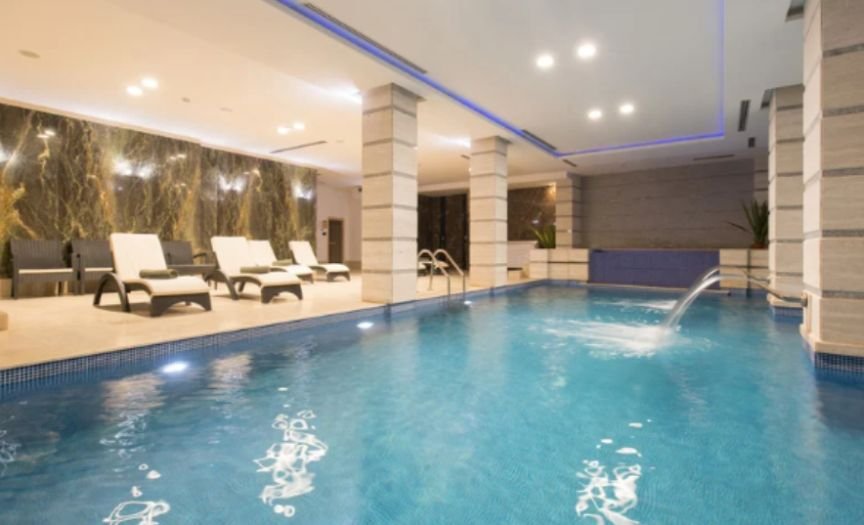
A pool can deliver a substantial lifestyle return, particularly in suitable climates or properties designed for holidays and entertaining. Integrated spas, shaded seating, safe access, and attractive landscaping can transform the area into a complete outdoor retreat.
However, pools bring maintenance, insurance, heating, and water costs. Their financial value depends heavily on climate, neighborhood expectations, and buyer preferences. Homeowners should investigate local demand instead of assuming that every pool will recover its construction cost.
11. Accessible Design Features
Wider doorways, step-free entrances, curbless showers, convenient lighting controls, and space for a future lift can make a property easier to use at every stage of life. These elements can be integrated elegantly without making the home appear institutional.
Accessibility can support aging in place, temporary injuries, young children, and multigenerational households. Planning these features during construction is often easier and less expensive than making extensive structural changes later.
12. Adaptable Entertainment Rooms
Home cinemas, game rooms, golf simulators, and wine rooms can be enjoyable, but highly specialized spaces may narrow the future buyer pool. The safer approach is to create an adaptable entertainment area.
Good acoustics, comfortable lighting, storage, ventilation, and flexible wiring allow a room to evolve. It might function as a cinema today and become a family room, studio, or lounge later.
Amenities That May Not Deliver Lasting Value

Be cautious with overly themed rooms, difficult-to-repair automation, extreme finishes, oversized unused spaces, and amenities requiring specialist maintenance. These choices can provide personal enjoyment, but that does not guarantee financial recovery.
Before committing, consider how often the feature will be used, its annual running cost, whether buyers in the area expect it, and how easily the space can be adapted. Lifestyle value and resale value should be evaluated separately.
Frequently Asked Questions
1. What are the best luxury home amenities worth investing in?
Functional kitchens, energy-efficient systems, indoor-outdoor spaces, adaptable guest suites, practical technology, quality storage, and durable materials generally provide the broadest benefits. Climate and local buyer expectations should still guide the final decision.
2. Do luxury amenities always increase property value?
No. An amenity may improve enjoyment without recovering its full cost. Its effect depends on location, design quality, maintenance requirements, market demand, and how well it complements the property.
3. Is smart-home technology a good investment?
It can be when the system improves security, comfort, efficiency, or remote management. Simple and upgradeable systems are generally safer choices than complicated technology tied to one manufacturer.
4. Should layout or premium finishes come first?
Layout should usually come first. A functional floor plan influences daily living and is expensive to change, while many finishes can be replaced later.
Final Thoughts
I believe genuine luxury is found in how effectively a home supports the people living in it. A practical kitchen, comfortable climate, flexible rooms, durable materials, and secure technology may not always appear as dramatic as a themed cinema or rare decorative finish, but they can provide value every day.
I would prioritize amenities that solve real problems, suit the surrounding market, and remain useful as lifestyles change. That approach creates a home that feels exceptional now without sacrificing its adaptability, operating efficiency, or future appeal.