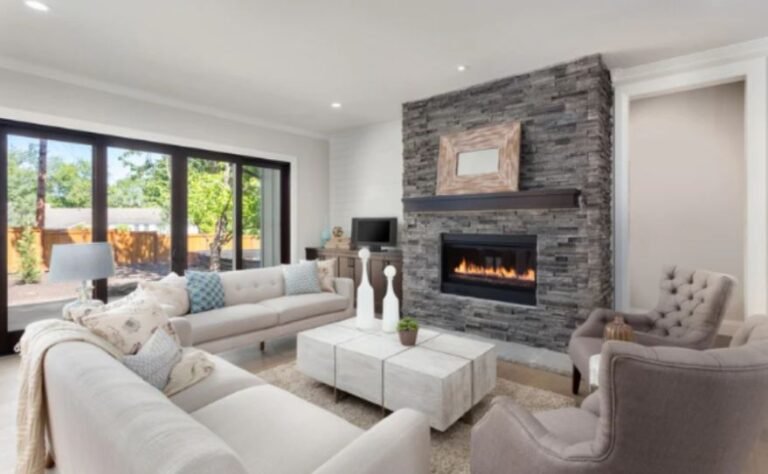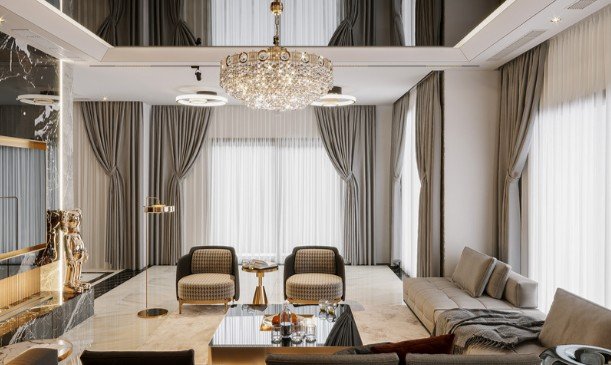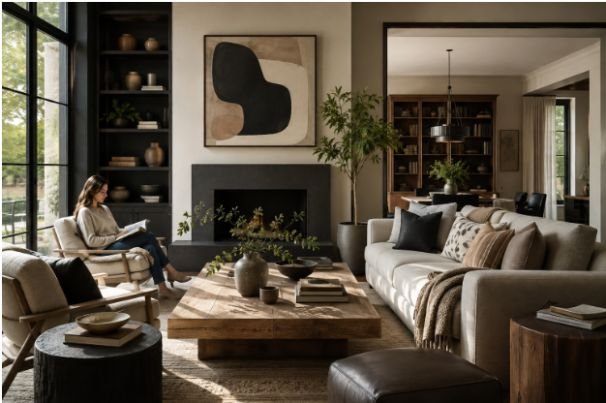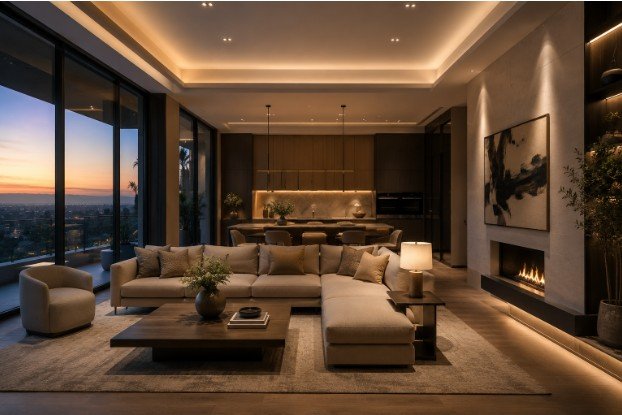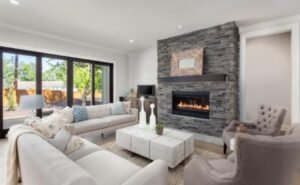
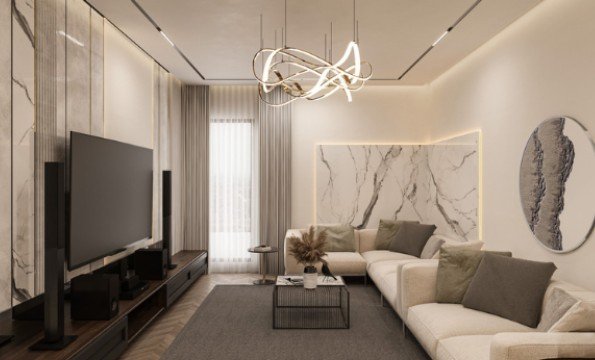
I believe the most memorable luxury interiors are not necessarily the ones containing the most expensive furnishings. They are the rooms with a clear point of view, thoughtful proportions, and one exceptional piece that immediately attracts attention. Understanding how to choose statement furniture for luxury home interiors can help you create that effect without making the space appear crowded or excessively decorated.
A statement piece should do more than look unusual. It should establish a focal point, complement the architecture, support the room’s function, and reflect your personal taste. The following steps will help you select furniture that feels distinctive, practical, and enduring.
Understand What Makes Furniture a Statement Piece
Statement furniture is an item with enough visual presence to influence the character of an entire room. Its impact may come from its size, silhouette, colour, material, texture, craftsmanship, or history.
A curved sofa, architectural dining table, carved console, oversized headboard, or sculptural armchair can all become statement pieces. However, bold furniture does not need bright colours or elaborate decoration. A restrained chair made from beautifully finished wood can attract more attention than a heavily ornamented cabinet.
The defining quality is intention. To achieve quiet interior luxury lifestyle, furniture should feel selected for the space rather than added simply to fill an empty area.
Identify the Room’s Natural Focal Point
Before shopping, determine where the eye naturally settles. This may be near a fireplace, beneath a dramatic light fixture, opposite an entrance, or at the end of a long sightline.
If the room already has a powerful architectural feature, choose furniture that supports it. A sculptural sofa can frame a large window, while a distinctive dining table may reinforce the symmetry of a formal dining room.
Rooms without a natural focal point provide more freedom. In these spaces, statement furniture can establish visual direction and make the layout feel more deliberate.
Measure the Space and Consider Proportion
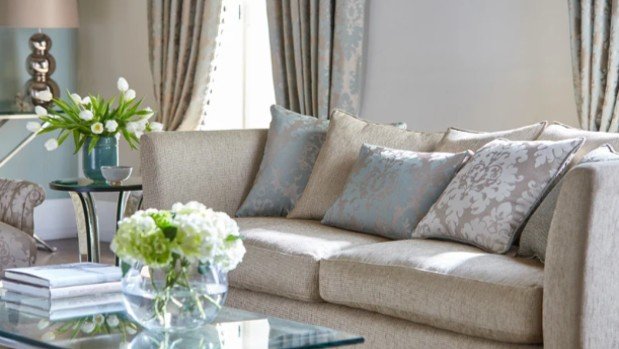
An impressive piece can still be wrong if its dimensions do not suit the room. Measure the available floor area, wall length, ceiling height, and distance between existing furnishings.
Examine Visual Weight
Physical size is only part of the decision. Dark wood, solid bases, thick upholstery, and highly detailed surfaces have greater visual weight. Glass, slender legs, open frames, and pale finishes appear lighter.
A large room with high ceilings can accommodate substantial furniture, but bigger is not automatically better. The piece should command attention without making every surrounding element seem insignificant.
Protect Circulation Routes
Mark the furniture dimensions on the floor with removable tape. Walk around the outline and check whether doors, drawers, and nearby seating can still be used comfortably.
Also measure entrances, hallways, staircases, lifts, and tight corners. A piece that fits the room may still be impossible to deliver without specialist equipment.
Match the Furniture to the Architecture
Luxury interiors feel cohesive when the furniture responds to the building. Consider the proportions, period, finishes, natural light, and decorative details already present.
A contemporary home may suit a geometric table or low sculptural sofa. A traditional property might benefit from a handcrafted cabinet with modern proportions. Furniture does not need to replicate the architecture, but it should create a meaningful relationship with it.
Contrast can work beautifully when it looks intentional. The goal is connection, not perfect matching.
Choose One Clear Source of Drama
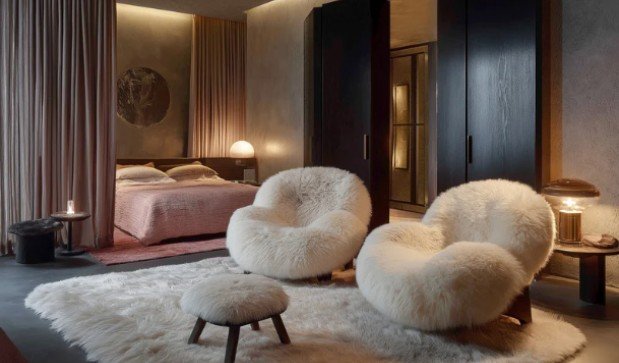
A statement piece can stand out through shape, colour, scale, texture, or material. It rarely needs to exaggerate every feature simultaneously.
For example, choose a dramatically curved chair in a restrained fabric or a conventionally shaped sofa in a rich velvet. This controlled approach creates sophistication and prevents the furniture from appearing theatrical.
In most rooms, one primary statement piece is enough. A second focal element may work in a large or open-plan interior, but the two should have a clear hierarchy.
Prioritise Materials and Craftsmanship
True luxury becomes apparent in construction and finishing. Look beyond polished product photographs and examine the materials, joints, upholstery, stitching, hardware, and hidden surfaces.
Solid wood, quality veneers, natural stone, leather, wool, linen, bronze, and carefully applied lacquer can provide richness and longevity. Nevertheless, no material is automatically luxurious. Its suitability, workmanship, and finish are what matter.
Ask who made the piece, where it was produced, whether parts can be repaired, and if the upholstery can eventually be replaced. Bespoke or limited-edition furniture may offer greater individuality, but excellent craftsmanship remains more important than exclusivity alone.
Balance Beauty With Everyday Function
Statement furniture should improve the experience of using the room. A sculptural chair that is uncomfortable or a dining table that restricts legroom will quickly become frustrating.
Consider who uses the space, how frequently it is used, and what demands will be placed on the furniture. Homes with children or pets may require durable upholstery and forgiving finishes. Rooms exposed to strong sunlight need materials resistant to fading or discolouration.
Luxury should feel liveable. Comfort, performance, and ease of maintenance are part of a well-resolved design.
Give the Piece Room to Breathe
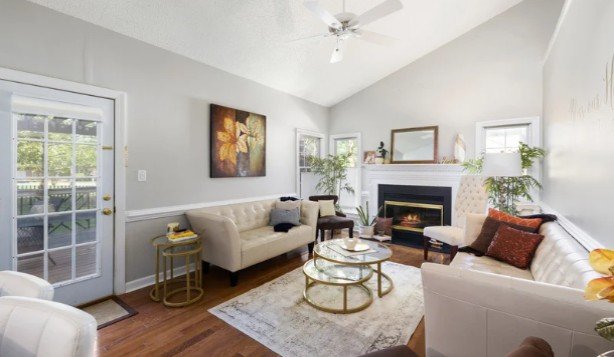
Surround a bold piece with quieter furnishings that complement rather than compete with it. Supporting items can repeat one colour, curve, texture, or finish without copying the main object exactly.
Avoid purchasing complete matching sets. A considered mix of materials, periods, and silhouettes generally feels more personal and collected.
Negative space is equally valuable. Leaving visible space around statement furniture strengthens its impact, improves circulation, and allows its form to be appreciated from different angles.
Consider Timelessness Before Following Trends
Distinctive furniture does not have to be trend-driven. Ask whether you would still value the piece if the room were redecorated five or ten years from now.
Timelessness can come from balanced proportions, honest materials, skilled construction, and an authentic connection to your taste. Before buying, view samples in the room, inspect the furniture from every angle, and confirm all measurements, lead times, warranties, delivery arrangements, and care requirements.
Frequently Asked Questions
1. How to choose statement furniture for luxury home interiors without overwhelming the room?
Select one principal focal piece and keep nearby furnishings comparatively restrained. Preserve open space, maintain clear circulation, and repeat subtle elements such as a material, colour, or curve to create cohesion.
2. Does statement furniture need to be brightly coloured?
No. A neutral piece can make a strong statement through its silhouette, scale, craftsmanship, texture, or unusual material.
3. How many statement pieces should one room have?
Most rooms benefit from one dominant piece. Large or open-plan spaces may accommodate a second, provided one remains visually more important.
4. Is bespoke furniture always the best option?
Bespoke furniture is valuable when standard dimensions, materials, or finishes do not suit the space. However, a well-made ready-to-order piece can be equally effective when its quality and proportions are appropriate.
5. Which statement furniture works best in a living room?
Sculptural sofas, distinctive armchairs, architectural coffee tables, and handcrafted cabinets are strong options. The best choice depends on the room’s layout and existing focal points.
Bringing the Room Together
I would always choose a statement piece based on how it improves the entire room, not simply how impressive it appears alone. The right furniture creates order, supports daily life, complements the architecture, and expresses something meaningful about the people who live there.
When proportion, craftsmanship, comfort, placement, and personal relevance work together, one exceptional piece can give a luxury interior an identity that remains compelling long after temporary trends have disappeared.