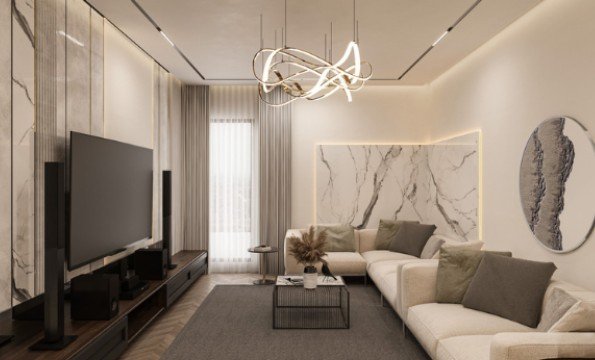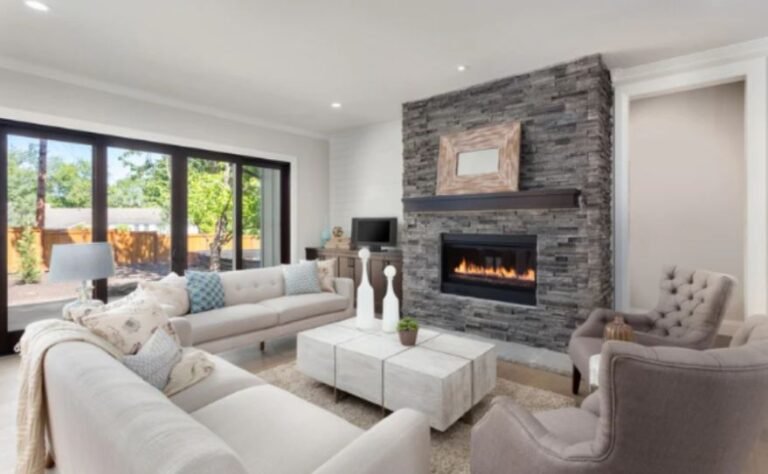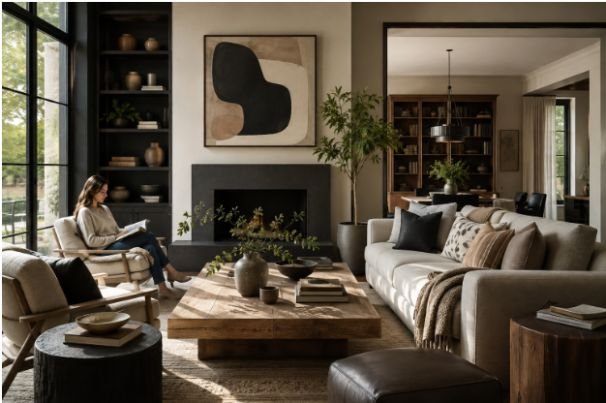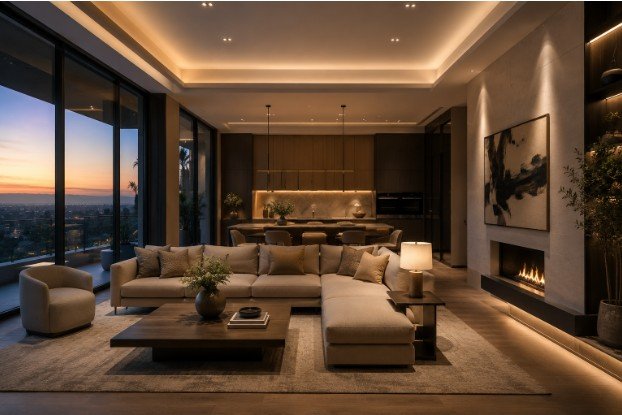
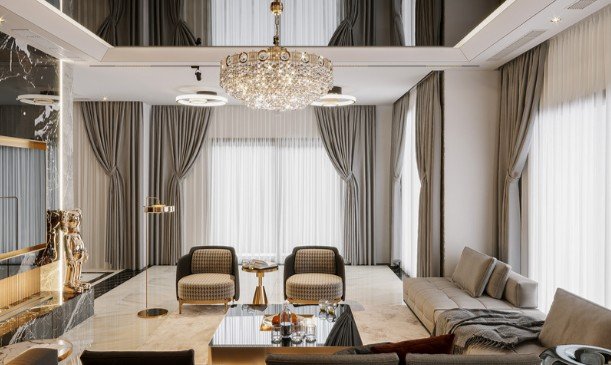
I have always believed that a luxurious home should feel comfortable before it looks impressive. It does not need flashy furniture, recognizable labels, or rooms filled with expensive decorations. Instead, the most sophisticated spaces use beautiful materials, thoughtful layouts, and personal details without demanding attention.
Learning how to achieve a quiet luxury interior style begins with making deliberate choices. Every color, fabric, light, and furnishing should contribute to a calm and cohesive atmosphere. Here is how to create that effect without making your home feel cold, empty, or overly staged.
Understand What Quiet Luxury Really Means
Quiet luxury is an interior design philosophy based on quality, restraint, and longevity. It favors furnishings that are well made, comfortable, and capable of remaining attractive for years.
Although this style shares certain qualities with minimalism, they are not identical. Minimalism is largely concerned with reducing objects and emphasizing open space. Quiet luxury focuses on careful editing. A room can contain books, artwork, decorative objects, and layered textiles, provided everything has a purpose or personal meaning.
The goal is not to own as little as possible. It is to avoid filling a room with objects that contribute nothing to its appearance, comfort, or character.
Begin With an Intentional Layout
Before purchasing anything, examine the room’s arrangement. Remove pieces that obstruct movement, compete for attention, or make the space feel crowded.
Create breathing room around important furniture. A beautiful sofa or handcrafted table looks more substantial when it is not surrounded by numerous small objects. Furniture should also be proportional to the room. An undersized rug or an oversized sectional can make even expensive interiors feel poorly planned.
Arrange seating around the way the room is actually used. Comfort and function are essential because genuine luxury should support daily life.
Build a Warm, Restrained Color Palette
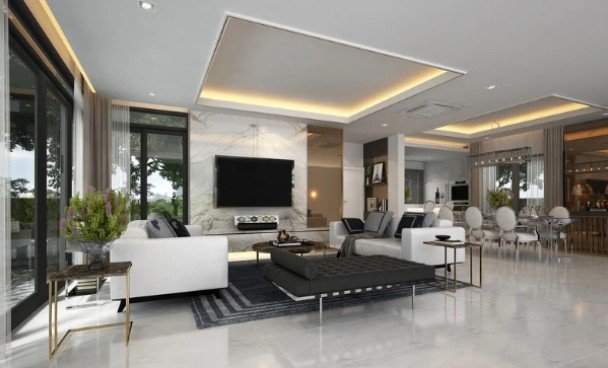
Warm white, cream, taupe, sand, clay, and soft beige create a versatile foundation. However, quiet luxury does not require an entirely beige interior.
Muted olive, tobacco, chocolate brown, dusty blue, burgundy, and charcoal can introduce depth without creating excessive visual noise. Choose two or three related foundation colors and repeat them in different tones throughout the room.
Avoid relying on one identical shade for every surface. Tonal variation prevents a neutral space from appearing flat. For example, cream walls can be paired with oatmeal curtains, a walnut table, and a taupe wool rug.
Choose Natural Materials That Age Well
Material quality is more important than recognizable branding. Solid wood, natural stone, wool, linen, leather, cotton velvet, ceramic, and aged metal bring depth that synthetic imitations often lack.
Look for finishes that become more attractive with time. Oil-finished wood develops character, leather softens through use, and unlacquered brass gains a distinctive patina.
You do not need to replace everything immediately. Start with the surfaces and objects people touch most frequently, such as bedding, seating, handles, rugs, and dining furniture. Gradual improvements can feel more authentic than buying an entire matching collection at once.
Invest in One Strong Anchor Piece
Select one substantial item to establish the room’s character. This could be a comfortable sofa, solid dining table, sculptural light, handmade rug, or beautifully crafted bed.
An anchor piece does not have to be fashionable. Clean lines, balanced proportions, and durable construction will usually remain relevant longer than highly recognizable trend-driven designs.
Avoid matching furniture sets. Rooms feel more collected and personal when complementary pieces come from different periods or makers.
Layer Texture Instead of Adding Clutter
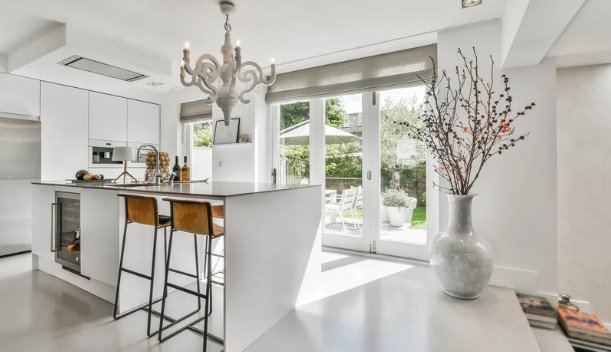
Texture creates richness while preserving a restrained color scheme. Combine contrasting surfaces such as smooth stone, woven linen, warm wood, soft wool, aged leather, and handmade ceramic.
In a living room, this might mean pairing a linen sofa with a wool rug, velvet cushion, wooden side table, and ceramic lamp. Each material contributes visual interest without requiring a bold pattern or bright color.
Use fewer, larger accessories instead of many small decorations. One substantial vase, framed artwork, or textured throw will generally look more refined than a crowded collection of ornamental pieces.
Use Three Layers of Lighting
A single bright ceiling fixture can flatten a room and expose every surface equally. Create depth by combining ambient, task, and accent lighting.
Ambient lighting provides general illumination. Task lights support activities such as reading or preparing food. Accent lights highlight artwork, architectural details, or textured walls.
Warm bulbs around 2700K produce a comfortable glow in living rooms and bedrooms. Add dimmer switches where possible, and position table lamps or wall sconces at different heights. Lighting should gently reveal the room rather than overwhelm it.
Add Personal and Vintage Details
A refined home should still reveal something about the people living there. Family photographs, collected artwork, travel finds, inherited objects, books, and vintage furniture can prevent a restrained space from feeling like a showroom.
Estate sales, vintage shops, and second-hand marketplaces are useful places to find solid furniture and distinctive accessories. Look beyond surface wear and examine construction, proportions, and materials.
Choose objects because they hold meaning or deserve long-term use—not simply because they match a popular online image.
Create the Look Without Overspending
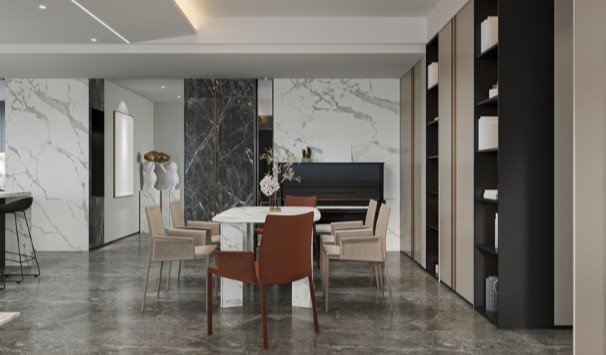
Begin by decluttering and rearranging before buying new furnishings. Correcting the layout, changing harsh bulbs, and removing unnecessary accessories can transform a room at little cost.
Spend more on objects exposed to frequent use and save on easily changed details. Quality bedding, seating, rugs, and lighting generally deliver more value than expensive decorative ornaments. You can also explore indoor outdoor living ideas to create a comfortable connection between interior rooms and exterior spaces without relying on costly accessories.
Introduce improvements slowly. A room assembled over time often appears more natural, individual, and sophisticated than one completed through a single shopping trip.
Quiet Luxury Mistakes to Avoid
Do not confuse restraint with emptiness. A room without texture, personal objects, or comfortable furniture may feel sterile rather than luxurious.
Avoid shiny imitation materials, excessive logos, matching sets, undersized rugs, cold lighting, and numerous small accessories. Do not copy a neutral palette without considering warmth and contrast.
Most importantly, resist purchasing something solely because it is trending. Timeless interiors are built around personal needs, excellent proportions, and materials that continue to look beautiful as they age.
Frequently Asked Questions
1. What colors work best for a quiet luxury interior?
Warm neutrals such as cream, taupe, sand, and soft brown create a dependable base. Muted olive, dusty blue, burgundy, chocolate, and charcoal can add controlled color and personality.
2. Is quiet luxury the same as minimalism?
No. Minimalism emphasizes reduction and negative space, while quiet luxury prioritizes craftsmanship, comfort, material depth, and intentional selection.
3. Can this interior style work in a small room?
Yes. Smaller rooms benefit from multifunctional furniture, good lighting, fewer decorative objects, and appropriately scaled pieces. One excellent material or furnishing can have greater impact than numerous inexpensive additions.
4. Can I create quiet luxury on a limited budget?
Yes. Rearrange existing furniture, reduce clutter, improve lighting, shop second-hand, and replace lower-quality items gradually. Thoughtful selection matters more than purchasing everything new.
5. What is the first step in how to achieve a quiet luxury interior style?
Start by evaluating the room rather than shopping. Remove unnecessary objects, improve the layout, identify what the space needs functionally, and then select one high-quality anchor piece.
A More Refined Home
I find the most successful interiors are not the ones that display the greatest expense. They are the spaces where every material feels considered, every piece supports daily life, and personal objects make the room impossible to duplicate.
I would begin slowly: clear visual clutter, correct the furniture arrangement, soften the lighting, and invest in one lasting piece. By focusing on comfort, craftsmanship, proportion, and personality, you can create a home that feels quietly sophisticated without appearing forced or overly designed.