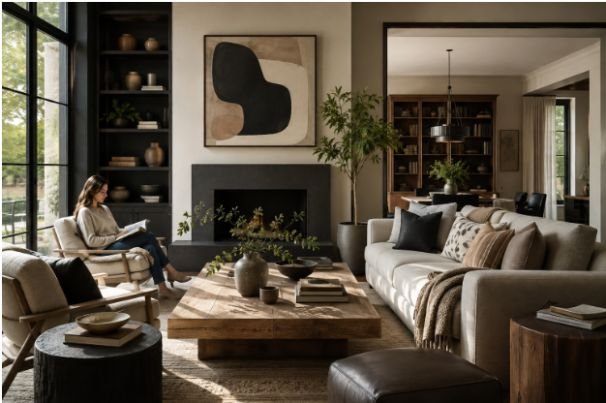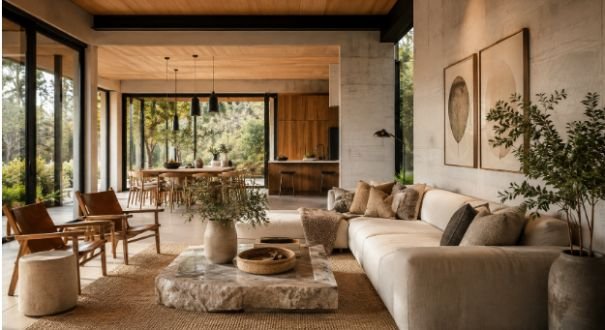
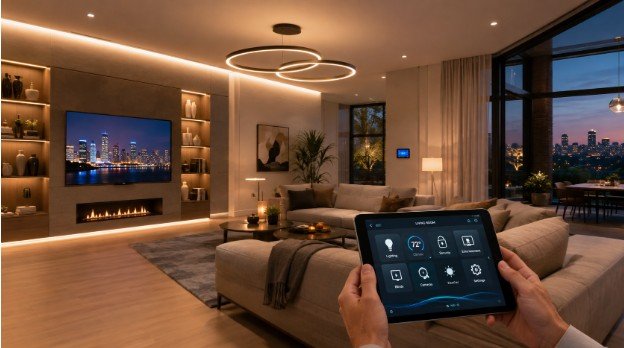
I’ve noticed that the most impressive modern interiors rarely look like they are packed with technology. The screens disappear, speakers blend into ceilings, lights change without anyone reaching for a switch, and the room still feels warm and personal. That contrast is what makes technology-integrated interior design so interesting.
I’ve also found that a connected home works best when every feature has a clear reason to exist. When technology is planned alongside the interior, it can support comfort, simplify routines, and even reduce visual noise instead of adding to it.
Why Technology Belongs in the Design Process
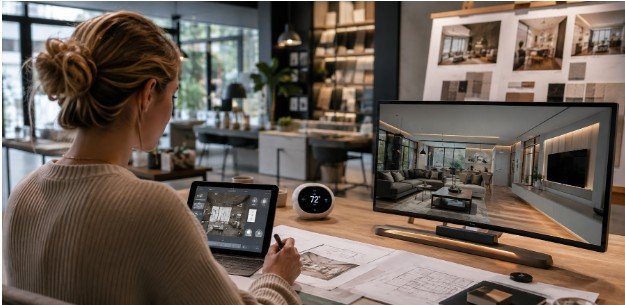
Technology should not be treated as something added after the furniture, lighting, and finishes are already chosen. Its placement can affect electrical plans, cabinetry, wall construction, speaker locations, outlet positions, and even the way people move through a room.
Planning early makes it easier to conceal wiring, build charging points into furniture, position controls where they feel natural, and coordinate equipment with architectural details. The goal is not to make a home look futuristic. It is to make technology feel like a natural part of the architecture.
Make Smart Technology Almost Invisible
A clean interior does not need to sacrifice convenience. Speakers can sit inside ceilings, security equipment can be positioned discreetly, and charging stations can disappear into drawers or side tables. Even a television can become less dominant when it doubles as artwork while it is not being used.
Cord management matters just as much. A single exposed cable can interrupt an otherwise carefully composed room. Routing wires through walls, millwork, or custom furniture keeps sightlines clean and allows the technology to support the room rather than become its focal point.
Let Lighting Adapt to the Room
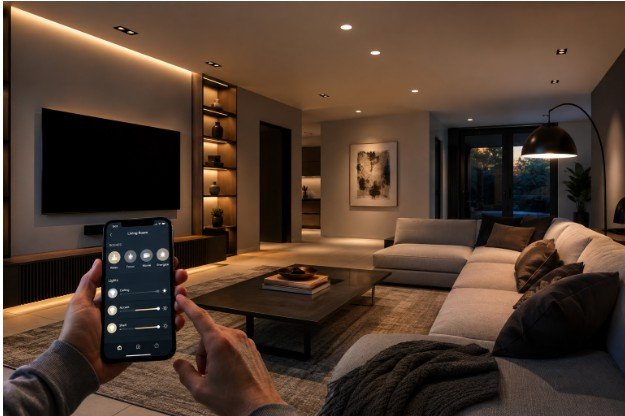
Lighting is one of the easiest places to see the value of connected design. Smart systems can adjust brightness and color temperature throughout the day, creating lighting scenes for working, dining, entertaining, or relaxing.
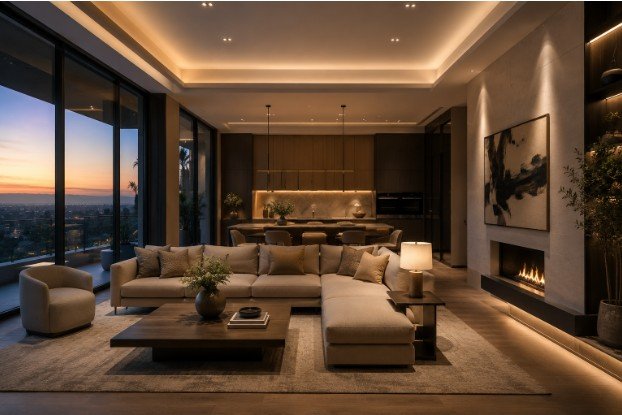
Thoughtful controls also make lighting feel less mechanical. Motion sensors can illuminate a hallway when someone walks through, while scheduled scenes can coordinate multiple fixtures at once. Layering this technology with ambient lighting for luxury homes can create depth without filling the ceiling with unnecessary hardware.
Design Rooms Around Real Routines
The best smart home features solve everyday problems. A living room might use concealed speakers, automated shades, and a single control system for entertainment. A bedroom could connect lighting, temperature, and blackout shades so the environment feels comfortable at bedtime.
In the kitchen, smart appliances can simplify cooking while built-in charging points keep counters clear. A smart oven may be useful, but so is something less flashy, such as an outlet hidden inside a cabinet for small appliances.
Bathrooms can benefit from heated floors, illuminated mirrors, automated ventilation, and lighting presets.
Make Comfort the Priority
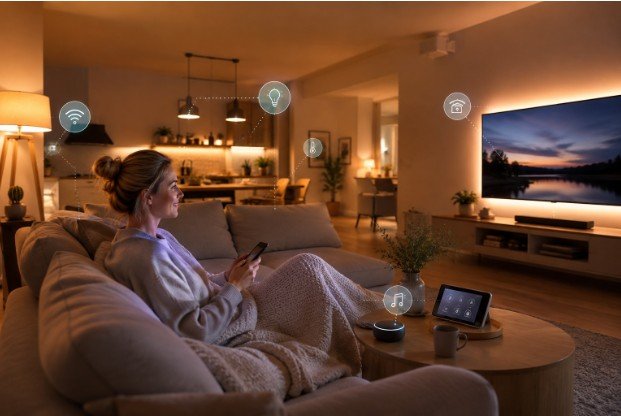
Technology can make a home responsive to the people inside it. Smart thermostats can adjust temperature based on schedules, while occupancy sensors can prevent lights or climate systems from running unnecessarily in empty rooms. Motorized shades can respond to sunlight, helping manage glare, privacy, and indoor comfort.
Energy efficiency is another practical benefit. Automation can reduce unnecessary heating, cooling, and lighting, particularly when systems respond to occupancy and daily patterns.
Plan for Flexible Spaces
Rooms are no longer limited to one function. A dining table can become a workspace during the day and a gathering spot at night. A living room can shift from family lounge to movie space within minutes.
Technology can support this flexibility when it is integrated into the furniture and layout. Wireless charging, concealed speakers, adjustable lighting, motorized shades, and modular furniture can help a room change without requiring a pile of accessories.
Think Beyond the Latest Gadget
Technology changes quickly, while cabinetry, flooring, stone, and other interior elements are expected to last much longer. That makes long-term planning essential.
Choose systems that can be maintained, upgraded, and controlled without creating unnecessary complexity. Think about network coverage, access to equipment, replacement options, and how future devices might connect to the existing setup.
Privacy also deserves attention. Connected cameras, microphones, locks, and sensors collect information about the home and its occupants. Homeowners should understand what each system records, where information is stored, and who can access it.
When Technology Becomes Part of the Architecture
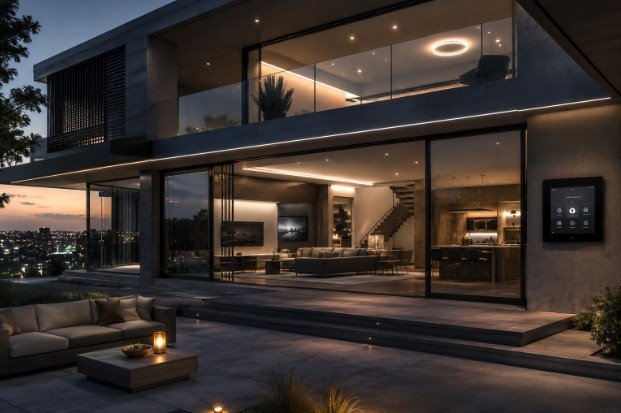
The strongest technology-integrated interiors do not treat technology as decoration. They use it as part of the home’s infrastructure.
A speaker hidden behind a ceiling finish, a charging station built into a nightstand, or shades programmed around natural daylight can improve the room without demanding attention.
That balance is what separates thoughtful integration from simply filling a home with smart devices.
FAQs: How Technology Integrated Interior Design Creates Smarter Living Spaces
What is technology-integrated interior design?
It combines smart systems with the architecture, furniture, lighting, and finishes of a home. The aim is to improve comfort and function while keeping technology visually cohesive.
What technology should be planned early?
Lighting controls, wiring, speakers, shades, security, network equipment, and built-in charging points benefit from early planning because many require electrical or structural preparation.
Can smart technology work in a luxury interior?
Yes. Concealed speakers, hidden displays, automated shades, integrated controls, and carefully planned lighting can provide convenience without disrupting sophisticated materials or proportions.
Does smart technology make a home more energy efficient?
It can. Automated lighting, climate controls, and shades can respond to schedules, occupancy, and sunlight, helping reduce unnecessary energy use.
Why the Best Smart Homes Feel Effortless
Technology works best in an interior when people notice the benefit before they notice the device. That means choosing fewer systems with meaningful functions, planning them early, and giving equal attention to aesthetics, maintenance, privacy, and long-term flexibility.
That is where thoughtful planning turns smart features into lasting design decisions. The real luxury is not having more technology. It is having technology that knows when to step out of the way.