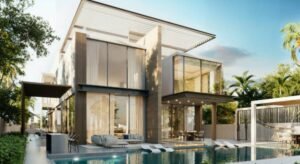
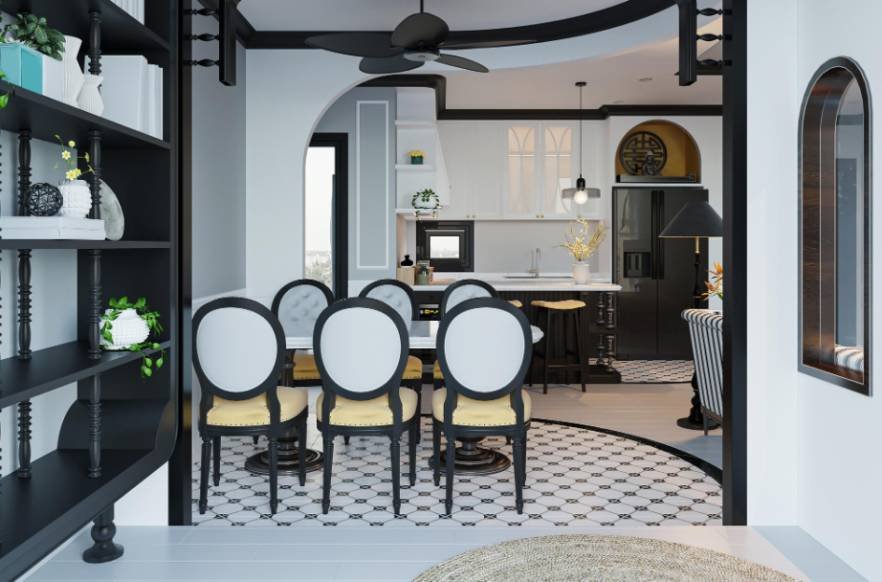
When I think about luxury, I do not picture a life overflowing with expensive possessions. I picture having the freedom to choose how I spend my time, where I live, and which experiences deserve my attention. To me, the essential features of a luxury lifestyle combine exceptional quality, privacy, personal comfort, wellness, financial confidence, and meaningful experiences.
Modern luxury is personal rather than performative. It replaces excess with intentional choices and prioritizes lasting value over passing trends. Although an elegant home or exclusive holiday may form part of it, genuine luxury also includes peace of mind, healthy relationships, restorative rest, and control over everyday decisions.
What Defines a Modern Luxury Lifestyle?
A modern luxury lifestyle provides exceptional comfort while reflecting an individual’s values, tastes, and priorities. It is not determined by the price of every possession. Instead, it is shaped by quality, thoughtful design, convenience, privacy, and the freedom to enjoy life without unnecessary pressure.
The most refined lifestyle feels effortless because its individual elements work together. The home supports wellbeing, technology saves time, services are personalised, and purchases are selected for their durability and meaning.
1. Exceptional Quality and Craftsmanship
Quality is one of the clearest signs of genuine luxury. Well-crafted furniture, tailored clothing, original artwork, and carefully prepared food offer value beyond their appearance.
Craftsmanship also tells a story, hand-finished details, responsibly sourced materials, and specialist techniques make an item distinctive. Choosing fewer, better-made possessions can create a more sophisticated lifestyle than continuously purchasing fashionable products that quickly lose their appeal.
2. A Personalised Living Environment
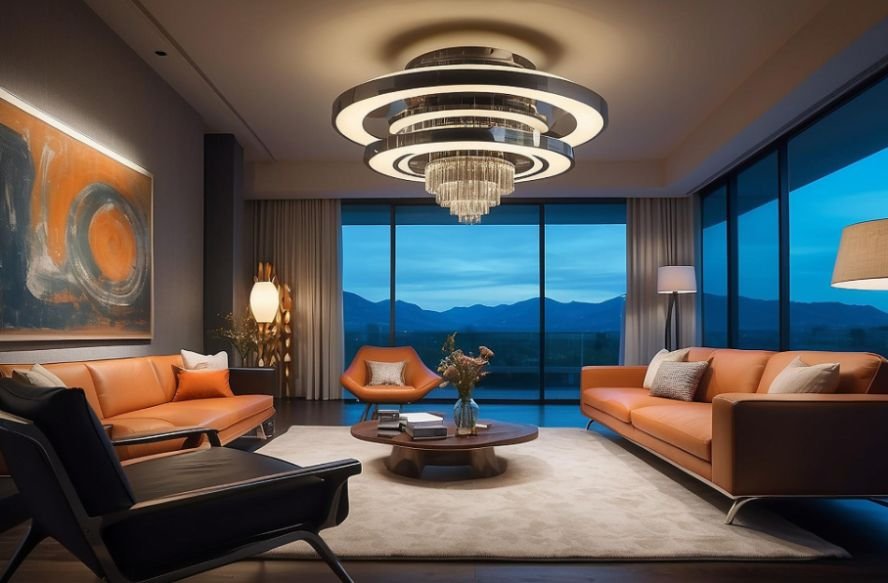
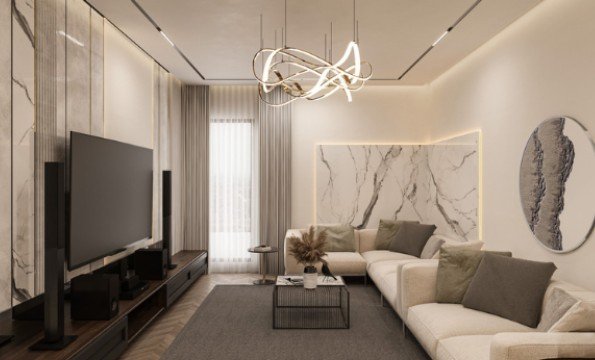
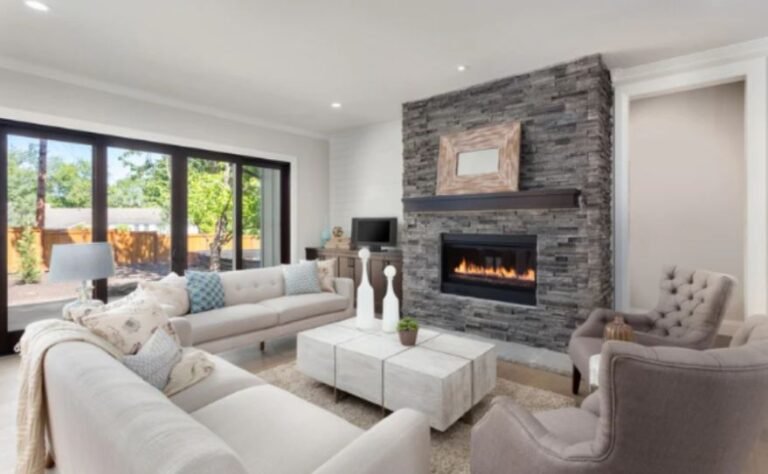
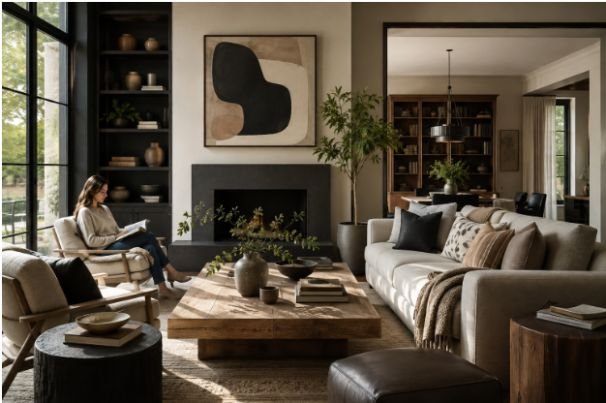
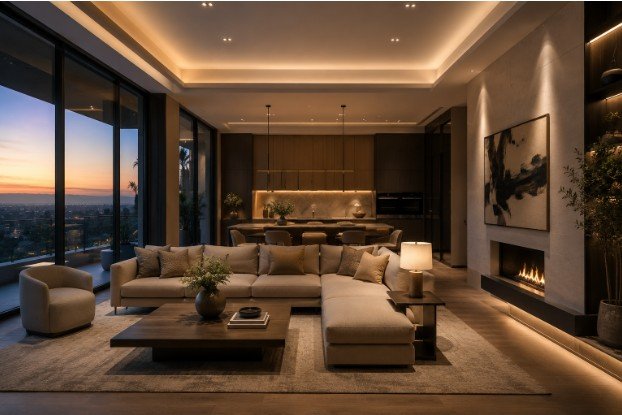
A luxurious home should feel designed for the people who live in it. Bespoke storage, carefully chosen artwork, adjustable lighting, comfortable furniture, and calming colours can make a residence both beautiful and functional.
Personalisation matters more than simply following interior trends. A reading room may be valuable to one person, while another may prefer a cinema, music studio, wine room, or secluded garden. The finest spaces support individual routines instead of treating every resident in the same way.
Even when square footage is limited, luxury living ideas for small spaces can create the same sense of refinement through thoughtful layouts, multifunctional furniture, layered lighting, quality materials, and carefully concealed storage.
3. Privacy, Security and Discretion
Privacy has become an especially valuable form of luxury. Secure entrances, discreet surveillance, private outdoor areas, soundproof rooms, and protected digital systems help residents feel safe without making their surroundings feel unwelcoming.
Discretion is equally important when using personal assistants, travel planners, household staff, or concierge services. Trusted professionals should protect confidential information and anticipate needs without intruding on private moments.
4. Freedom Over Time
Time is something even the most expensive product cannot replace. A refined lifestyle creates more of it by removing repetitive responsibilities and unnecessary delays.
Home automation, professional household support, private transport, flexible schedules, and reliable concierge services can simplify daily life. However, the purpose is not to remain constantly productive. It is to create space for rest, relationships, creative interests, and experiences that bring genuine fulfilment.
5. Health and Everyday Wellbeing
Wellness is no longer an optional addition to luxury living. Restful sleep, nutritious food, regular movement, mental calm, and access to personalised care all contribute to a better quality of life.
At home, this may involve a private fitness area, spa-inspired bathroom, meditation room, swimming pool, clean-air system, or garden. Natural light, quiet surroundings, ergonomic furniture, and temperature control can also improve everyday comfort without becoming obvious status symbols.
6. Seamless Technology
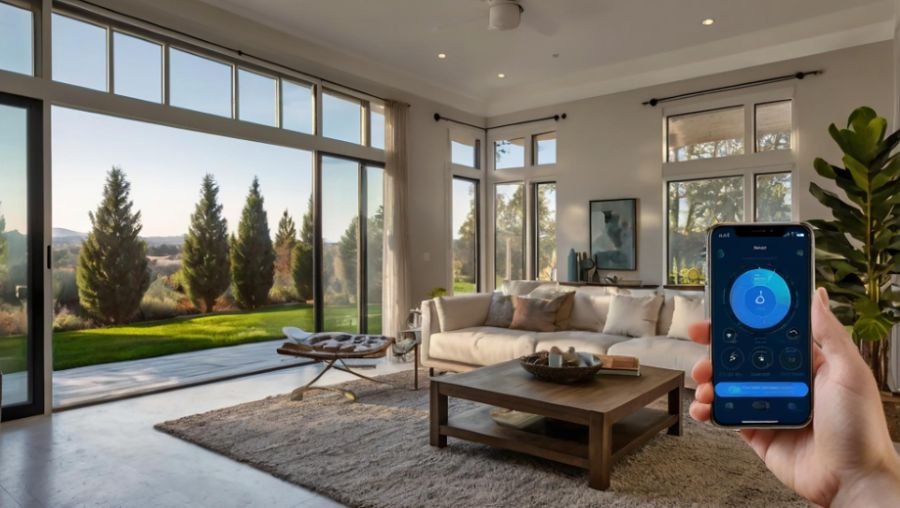
Smart technology should make a home easier to manage rather than more complicated. Integrated systems can control lighting, security, climate, entertainment, window coverings, and energy consumption from a single interface.
The best systems operate quietly in the background and can be adjusted around personal routines. Strong cybersecurity is essential because convenience should never compromise privacy. Technology feels luxurious when it is reliable, intuitive, secure, and nearly invisible.
7. Exclusive and Meaningful Experiences
Memorable experiences frequently provide more satisfaction than additional possessions. Private tours, carefully planned holidays, intimate dining, cultural events, wellness tourism, and access to remarkable locations can create stories that last for years.
Exclusivity does not always mean choosing the most expensive option. It can mean receiving thoughtful attention, avoiding crowds, accessing specialist knowledge, or enjoying an experience tailored around personal interests. Relevance and authenticity make an experience feel genuinely special.
8. Timeless Personal Style
Personal style communicates taste without depending on conspicuous branding. Tailored clothing, excellent materials, subtle accessories, and proper fit often appear more refined than outfits selected only for visible labels.
A timeless wardrobe also supports more responsible consumption. Versatile pieces can be worn repeatedly, repaired when necessary, and combined in different ways. This approach places confidence, comfort, and individuality ahead of short-lived fashion cycles.
9. Financial Confidence
A sustainable lifestyle requires financial stability. Overspending to maintain appearances creates anxiety, which is the opposite of luxury. Careful planning allows someone to enjoy premium purchases and experiences without undermining future security.
Financial confidence can include manageable commitments, diversified investments, adequate protection, and funds reserved for long-term goals. The freedom to make considered decisions—and decline unnecessary purchases—is a powerful form of independence.
10. Responsible and Sustainable Choices
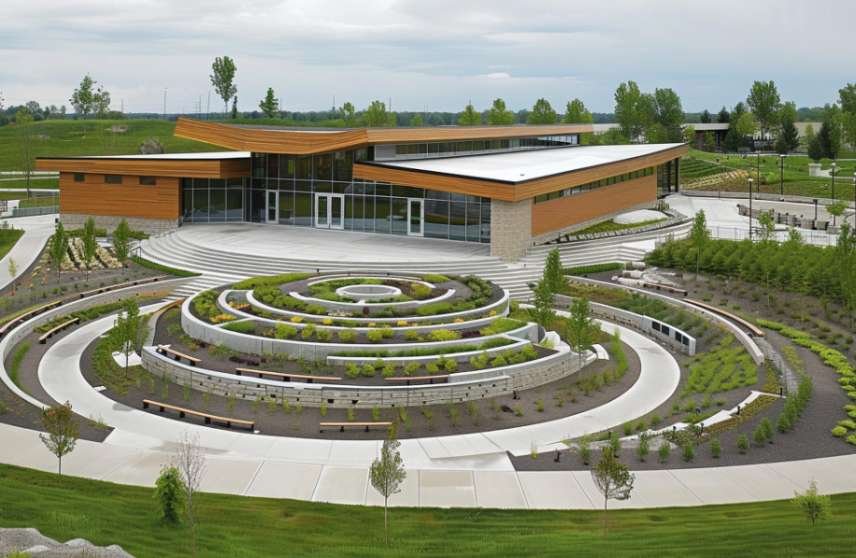
Contemporary luxury increasingly values products that are durable, traceable, and responsibly produced. Efficient buildings, renewable energy, ethically made clothing, locally produced food, and restored furniture can unite refinement with environmental responsibility.
Sustainability does not require sacrificing beauty or performance. On the contrary, products designed to last often provide better materials, stronger craftsmanship, and greater emotional value than disposable alternatives.
The same principle applies to architecture, where what is modular construction architecture shows how factory-built systems can reduce material waste, improve construction efficiency, and create adaptable buildings designed for long-term use.
11. Meaningful Relationships and Personal Fulfilment
An impressive home has limited value if its owner lacks time to enjoy it. Strong relationships, uninterrupted conversations, hobbies, learning, and personal growth bring depth to an elevated life.
A truly refined lifestyle therefore protects space for family, friendship, solitude, and curiosity. These elements cannot be purchased instantly, yet they often become the luxuries people value most.
Frequently Asked Questions
1. What are the essential features of a luxury lifestyle?
They include outstanding quality, personalised comfort, privacy, control over time, wellness, secure technology, financial confidence, meaningful experiences, responsible consumption, and fulfilling relationships.
2. Is luxury living only for wealthy people?
No. Wealth can provide greater access to premium services and exclusive experiences, but many aspects of luxury—such as time, calm, quality, privacy, and intentional living—can be developed at different income levels.
3. What is the difference between luxury and quiet luxury?
Traditional luxury may emphasise visible status symbols. Quiet luxury focuses on understated quality, excellent craftsmanship, subtle design, privacy, and products whose value is apparent without prominent branding.
4. What makes a home feel genuinely luxurious?
A home feels luxurious when it is comfortable, private, secure, personalised, and easy to manage. Natural light, quality materials, thoughtful layouts, wellness spaces, and seamless technology can be more important than size alone.
Final Thoughts
I believe the finest lifestyle is one that feels considered rather than crowded. It combines quality surroundings with privacy, health, financial peace, valuable time, and experiences that carry personal meaning.
Luxury should make daily life calmer, more comfortable, and more fulfilling. When every choice supports personal values instead of outside expectations, luxury stops being a performance and becomes a lasting way of living well.