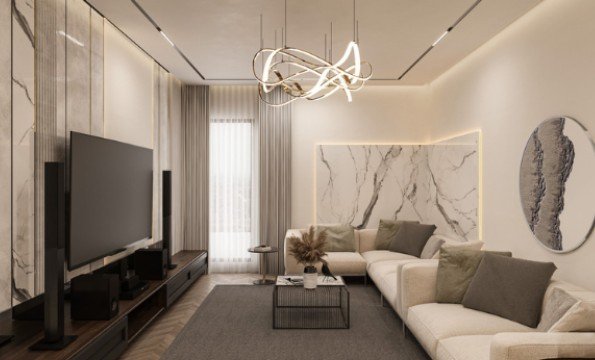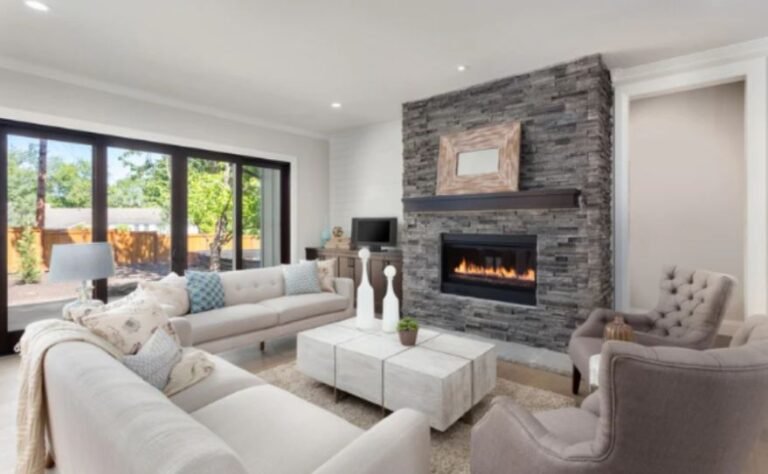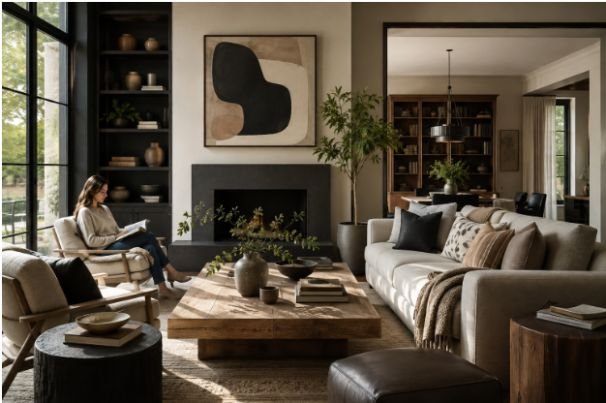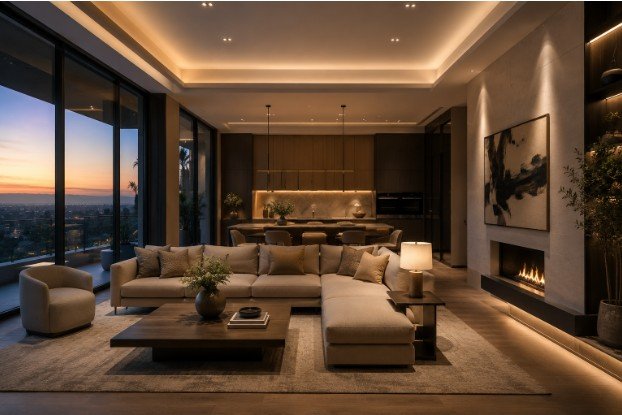
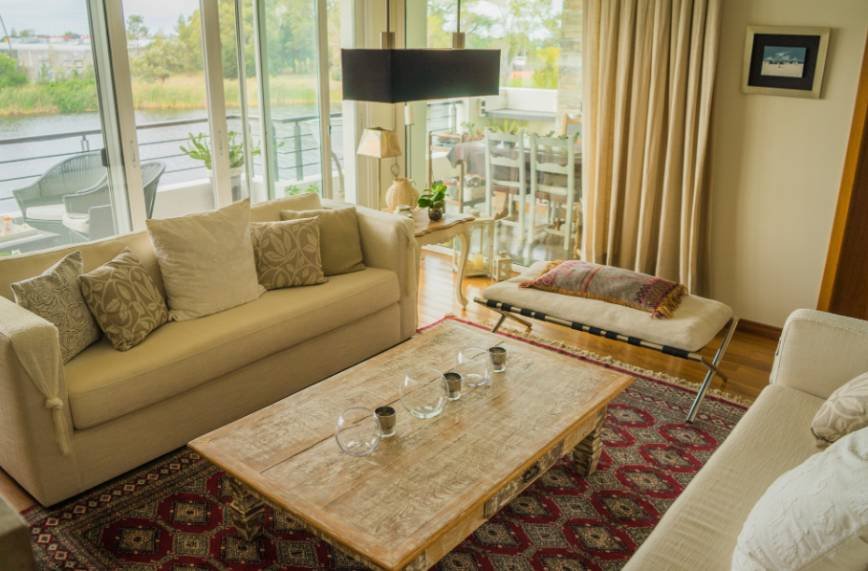
I believe limited square footage should never limit style, comfort, or personality. Some of the most impressive interiors I have seen are compact homes where every furnishing, finish, and decorative feature has been chosen intentionally. Instead of filling the room with expensive objects, the design creates luxury through balance, craftsmanship, and thoughtful functionality.
These luxury living ideas for small spaces will help you create a home that feels open, refined, and welcoming. Whether you own a compact house, rent an apartment, or live in a studio, you can use these practical ideas without making every room feel like an untouchable showroom.
Begin With a Carefully Planned Layout
Measure the room before purchasing furniture or rearranging existing pieces. Record the walls, windows, doors, outlets, and permanent architectural features. Your plan should also preserve comfortable walking paths between major furnishings.
Avoid pushing every item against a wall. Leaving a little breathing room around a sofa, chair, or console can make the arrangement feel more intentional. When possible, divide an open room into distinct zones for relaxing, eating, working, and storage. A rug or strategically positioned light can define a zone without introducing a bulky divider.
Choose Fewer, Better Furniture Pieces
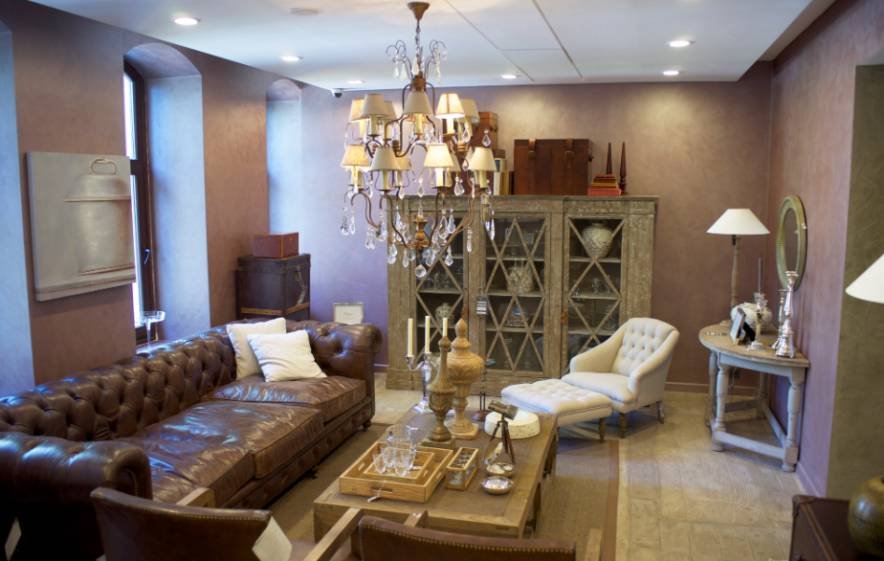
Luxury comes from restraint rather than quantity. Select a few well-made furnishings with attractive materials and balanced proportions instead of filling the room with numerous small pieces.
Do not assume that every compact room needs miniature furniture. One properly scaled sofa can look more sophisticated than several undersized chairs. Look for slim arms, raised legs, open bases, and clean silhouettes that maintain visual space.
Prioritize Multifunctional Designs
Each major furnishing should earn its place. Consider an upholstered storage bench, nesting tables, an extendable dining table, or a bed with concealed drawers. A wall-mounted desk can create a workspace without permanently occupying valuable floor area.
Built-in cabinetry offers an especially polished appearance because it uses awkward corners and vertical space efficiently. Renters can create a similar effect with matching modular cabinets positioned closely together.
Create Depth With Layered Lighting
A single ceiling fixture can make a small room look flat and expose harsh shadows. Instead, combine ambient, task, accent, and decorative lighting.
Use ceiling lights for general illumination, lamps for comfortable reading, and sconces or picture lights to emphasize architectural details and artwork. Warm bulbs usually create a calmer, more inviting atmosphere than extremely cool lighting.
Plug-in sconces provide a renter-friendly option and save space on bedside tables. Dimmer switches or smart bulbs also allow the mood to change without adding more fixtures.
Hang Curtains High and Wide
Window treatments can significantly change the perceived proportions of a room. Install the curtain rod near the ceiling and extend it beyond both sides of the window. Choose curtains that reach the floor instead of ending at the sill.
This arrangement draws attention upward, makes the window appear larger, and creates a tailored, hotel-inspired finish. Linen, velvet, and substantial woven fabrics introduce texture, while sheer panels help distribute natural light.
Position Mirrors to Multiply Light
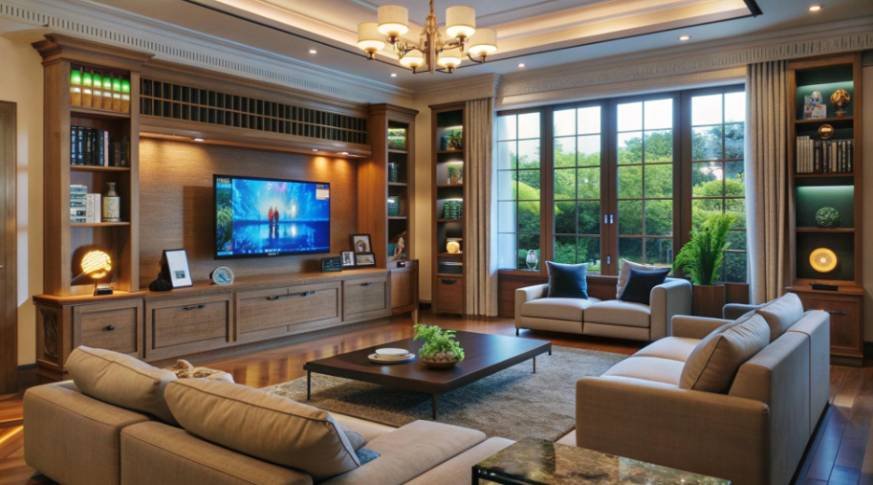
Mirrors work best when they reflect something attractive. Place one opposite or beside a window to carry daylight deeper into the room. A large mirror above a console can also create the impression of another opening.
Avoid scattering many small mirrors around the room. One generously sized design with a refined frame usually feels calmer and more luxurious. Mirrored cabinet doors can combine this visual effect with practical concealed storage.
Develop a Consistent Color Story
A compact home feels larger when adjoining areas share a coordinated palette. This does not require painting everything white. Warm neutrals, muted greens, deep blues, and earthy shades can all produce an elegant atmosphere.
Select one main color, one supporting shade, and a small number of accents. Repeating these colors through rugs, cushions, art, and accessories connects different zones and reduces visual clutter.
Dark colors can also work in small rooms. Used across walls, trim, and cabinetry, they soften boundaries and create an intimate jewel-box effect.
Layer Rich Materials and Textures
Texture adds depth without consuming floor space. Combine smooth and tactile finishes such as wood, glass, linen, wool, velvet, aged metal, and stone. Even an affordable interior can appear elevated when its materials feel coordinated rather than random.
Introduce texture through a woven rug, substantial curtains, a ceramic lamp, or a single velvet chair. Avoid using too many competing finishes. Repeating two or three materials throughout the room creates a more considered result.
Select One Memorable Focal Point
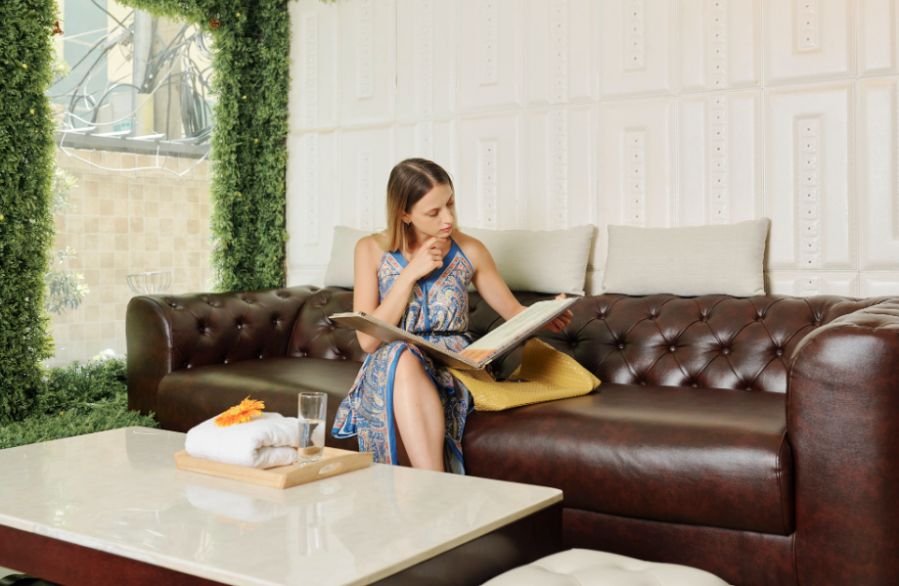
Every compact room benefits from one feature that immediately attracts attention. This might be an oversized painting, sculptural pendant, distinctive chair, patterned wall, or beautifully styled bookcase.
One confident focal point generally looks more sophisticated than numerous small decorations. It also directs the eye away from the room’s dimensions and toward its personality.
Upgrade the Details You Touch
Handles, faucets, switches, and knobs may be small, but they are noticed frequently. Replacing generic hardware with pieces in aged brass, brushed nickel, dark bronze, or natural stone can make cabinets and doors feel customized.
Keep metal finishes coordinated, although they do not need to match perfectly. Two complementary finishes usually appear intentional; too many can make the design feel disconnected.
Conceal Clutter, Cables, and Technology
Luxury interiors tend to look calm because everyday necessities have designated places. Use closed cabinets for practical belongings and reserve open shelves for a limited number of attractive objects.
The same sense of refinement extends beyond interior design. Practicing everyday habits for sophisticated modern living, such as resetting rooms after use, managing technology intentionally, and keeping daily routines organized, can help a small home feel consistently calm and polished.
Hide charging cables behind furniture, collect television wires in a paintable channel, and use decorative boxes for smaller electronics. A cable-free surface instantly looks cleaner and more finished.
Leave some shelves partially empty. Negative space allows special objects to stand out and prevents storage from becoming visual noise.
Use Rugs to Establish Balance
An undersized rug can make furnishings look disconnected. In a living area, select a rug large enough to sit beneath at least the front legs of the sofa and chairs. In a bedroom, the rug should extend visibly beyond the sides of the bed.
Choose a restrained pattern or textured solid color if the room already contains strong artwork and fabrics. A bolder rug can become the focal point when the remaining scheme is simple.
Add Architectural Character Carefully
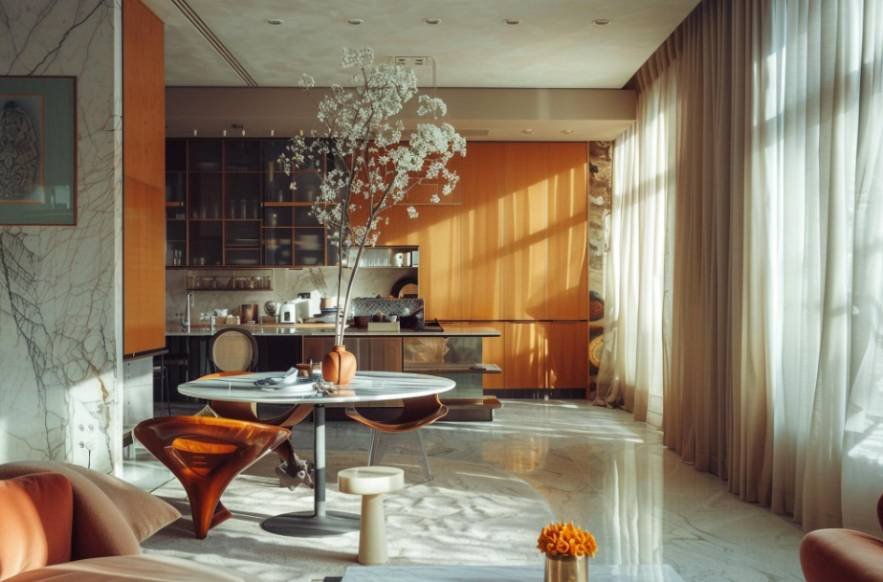
Molding, ceiling trim, fluted panels, and continuous flooring can make a compact home feel tailored. These features create depth and connect one area to another without requiring additional furniture.
In compact bathrooms, heated floor ideas for luxury bathrooms can add a high-end sense of comfort without taking up valuable floor or wall space, making radiant flooring especially suitable for smaller interiors.
For a temporary approach, consider removable molding strips, peel-and-stick wallpaper, or a painted border. The objective is to create architectural rhythm, not cover every surface with decoration.
Avoid Common Small-Space Design Mistakes
Do not overcrowd the room with miniature furniture, small artwork, and decorative accessories. Avoid short curtains, undersized rugs, exposed cables, matching furniture sets, and dependence on one bright overhead light.
Buying every current trend can also make a home age quickly. Begin with timeless foundations and introduce fashionable colors through easily replaceable accents. A compact space looks most luxurious when it feels personal, functional, and collected over time.
Frequently Asked Questions
1. What are the best luxury living ideas for small spaces?
Start with fewer high-quality furnishings, layered lighting, correctly sized rugs, ceiling-height curtains, concealed storage, rich textures, and one confident focal point. These choices improve both function and visual refinement without overcrowding the room.
2. Can a small room use dark colors?
Yes. Deep colors can blur corners and create an intimate, sophisticated atmosphere. Maintain adequate lighting and repeat the color across selected furnishings or trim to create cohesion.
3. Should I buy small furniture for a small room?
Not automatically. Too many miniature pieces can make a room feel fragmented. Choose a few properly scaled furnishings with slim profiles, open bases, or raised legs.
4. How can renters make an apartment look luxurious?
Use plug-in sconces, removable wallpaper, modular storage, full-length curtains, upgraded portable lighting, large artwork, coordinated textiles, and removable hardware where permitted.
5. What makes a small interior look cheap?
Visible clutter, poor lighting, short curtains, undersized rugs, exposed cables, weak furniture proportions, and too many unrelated decorative finishes can make a room appear unfinished.
Final Thoughts
I would approach a compact home as an opportunity to make every choice meaningful. Measuring first, selecting fewer quality pieces, improving lighting, and concealing clutter can produce a greater transformation than filling the room with costly accessories.
The most convincing interiors balance beauty with everyday usefulness. When furniture fits properly, materials feel connected, and each detail has a purpose, limited square footage becomes part of the home’s charm rather than a restriction.