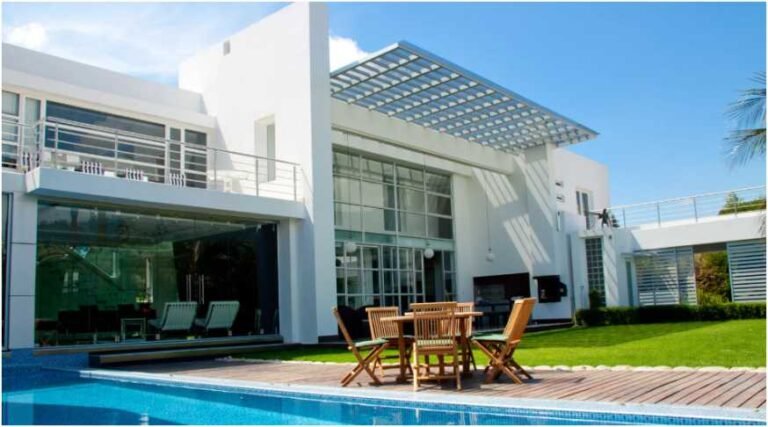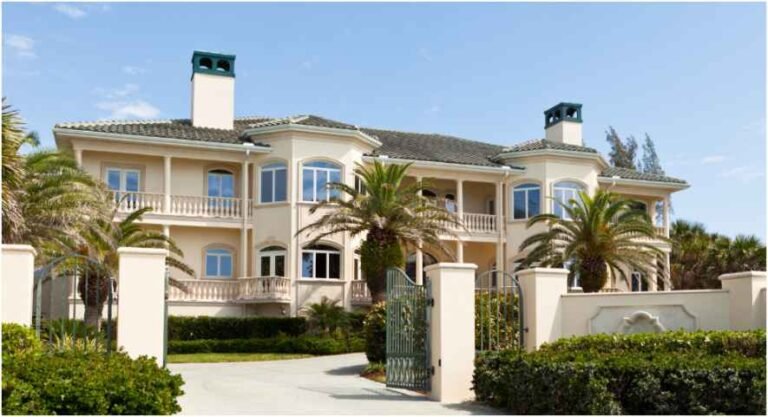

A seven-figure home can photograph perfectly and still hide costly legal, mechanical, or ownership problems. My luxury home due diligence checklist starts with one rule: never let premium finishes distract you from risks that survive closing.
For a high-end U.S. property, a luxury home due diligence checklist should answer three questions. Do you legally control what you think you are buying? Does the property perform as designed? Can you comfortably carry its real operating costs?
Start With Legal Control, Not Curb Appeal

Verify Title, Liens, Easements, and Boundaries
The first legal step in a luxury home due diligence checklist is confirming clean ownership. Review the title search for tax liens, contractor claims, easements, access rights, deed restrictions, and other encumbrances.
The Consumer Financial Protection Bureau explains that title services include title searches and title insurance. An owner’s title policy can also protect your financial interest if an earlier ownership claim appears after closing.
For large estates, I would also order a current survey. Confirm gates, driveways, fences, docks, retaining walls, pools, guesthouses, and major landscaping improvements sit within the correct boundaries.
That matters even more when a property depends on shared driveways, private roads, waterfront access, or extensive acreage.
Match Permits to the House You Are Buying
Compare city or county building records with the physical property.
A finished basement, detached studio, wine cellar, elevator, pool house, expanded terrace, or major electrical upgrade may require permits and final approvals.
Ask one direct question: does the government record match the home as it exists today?
If not, learn what legalization, removal, or correction could involve before removing your contingencies. Local rules differ, so unresolved permit issues deserve review from a qualified local real estate attorney or building official.
Inspect the Property Like a Small Commercial Building

Structure, Envelope, Roof, and Drainage
Before hiring specialists, I use the luxury home due diligence checklist to decide which systems require deeper testing. A standard home inspection is only the baseline.
Have qualified professionals evaluate structural movement, foundations, retaining walls, complex roofing, custom glazing, waterproofing, balconies, exterior cladding, and site drainage.
Large homes can hide water intrusion long before expensive interior finishes show visible damage.
Check imported stone, specialty woods, custom windows, curtain-wall systems, and bespoke exterior materials carefully. Replacement lead time can matter almost as much as replacement cost.
For architecturally distinctive homes, understanding the modern vs contemporary architecture difference can also help buyers evaluate whether the materials, rooflines, glazing, layout, and later renovations remain consistent with the property’s original design.
Audit HVAC, Electrical, Plumbing, and Automation
Luxury properties can operate more like engineered systems than ordinary houses.
Test every HVAC zone. Review equipment age, service history, humidity controls, radiant heating, water treatment, pumps, generators, electrical panels, EV charging capacity, and pool equipment.
The U.S. Department of Energy recommends professional home energy assessments to identify efficiency problems. More detailed assessments can include air-leakage testing, duct testing, and infrared scans.
Smart-home systems deserve a separate test.
Confirm lighting, motorized shades, cameras, gates, security, whole-home audio, irrigation, and climate controls work without relying on the seller’s personal accounts.
Ask who owns the software licenses. Check warranties, subscriptions, administrator credentials, compatibility, and whether older hardware is still supported.
A premium automation system becomes a liability when replacement parts or software support disappear.
Test Privacy, Security, and Environmental Risk
Check Sightlines, Noise, Security, and Future Development
A luxury home due diligence checklist should test privacy during daylight and after dark.
Stand at the pool, primary suite, terraces, home office, and outdoor entertaining spaces. Check what neighbors, roads, trails, and nearby properties can see.
Listen for highway traffic, aircraft, entertainment venues, commercial activity, landscaping crews, and mechanical equipment.
Then test gates, camera coverage, alarms, exterior lighting, access controls, and emergency access.
I would also review local planning and zoning records.
A protected view today may disappear if a neighboring parcel permits taller or denser development. At the luxury level, future construction is not merely an inconvenience. It can affect privacy, enjoyment, and resale appeal.
Check Flood, Radon, Wells, and Septic
Flood exposure belongs on every serious luxury home due diligence checklist.
Search the property through FEMA’s Flood Map Service Center. FEMA permits flood-map searches using a street address, making it a useful starting point for property-specific risk research.
I would also obtain homeowners insurance quotes early in the contingency period.
A mansion may be easy to purchase yet surprisingly expensive to insure because of wildfire, hurricane, wind, flood, or other catastrophe exposure.
Radon also deserves attention regardless of the home’s price. EPA recommends knowing a home’s indoor radon level when buying and notes that retesting can make sense after renovations or when previous results no longer reflect current conditions.
For estates using private infrastructure, test well water and inspect the septic system. EPA specifically recommends septic-system inspection before purchasing a home that relies on one.
Audit the True Cost of Luxury Ownership

Review HOA, Taxes, Insurance, and Utilities
A complete luxury home due diligence checklist looks far beyond the mortgage payment.
Review property-tax history, insurance premiums, deductibles, HOA dues, reserve studies, pending special assessments, litigation, landscaping, pool maintenance, security contracts, staffing, utility bills, generator fuel, and private-road expenses.
For HOA communities, I would request financial statements, reserve information, insurance details, recent meeting minutes, and information about pending assessments whenever available under applicable state rules.
The IRS notes that HOA fees are generally not deductible personal homeownership expenses. Federal deductions involving real estate taxes also depend on current limits and eligibility requirements.
Request at least 12 months of utility bills when the seller can provide them.
Confirm electrical service, water supply, irrigation demand, backup power, internet capacity, and other infrastructure can handle the way you plan to use the property.
Use the Three-Bucket Ownership Stress Test
This is the original test I add to the standard luxury home due diligence checklist.
I divide future expenses into three buckets.
Fixed costs include taxes, insurance, HOA dues, staffing, security, landscaping, and routine maintenance.
Lifecycle costs are predictable replacements. Think HVAC systems, roofs, pool equipment, generators, elevators, smart-home hardware, batteries, pumps, and specialty finishes.
Shock costs are infrequent but expensive events. Retaining-wall repairs, major water intrusion, drainage failure, uninsured storm damage, or a large HOA special assessment belong here.
Consider a hypothetical $5 million estate.
The buyer may comfortably afford the purchase price yet dislike the financial profile once these three cost buckets are modeled. Purchase affordability and ownership resilience are two different calculations.
This is also where luxury home buying mistakes to avoid becomes a useful internal reference. One of the costliest mistakes is not necessarily paying too much for the house. It is underestimating what the property demands once the keys are yours.
Pretty Isn’t Proof: Make the House Earn the Price
My final luxury home due diligence checklist rule is simple: every feature supporting a premium price should prove legal approval, dependable performance, and an ownership cost you understand.
If the view supports the price, verify zoning.
If privacy supports the price, test sightlines.
If smart automation supports the price, operate every major system.
If the estate relies on wells, pumps, generators, private roads, or specialized mechanical equipment, inspect them before the contingency period expires.
Luxury can justify a premium. A final luxury home due diligence checklist review reveals whether you are paying for durable quality or inheriting expensive uncertainty.
The house should impress you during the showing. The paperwork and inspections should impress you before you wire the money.
Frequently Asked Questions
1. What should be included in luxury property due diligence?
Check title, surveys, permits, structure, drainage, HVAC, electrical systems, plumbing, automation, security, environmental risks, insurance, taxes, HOA finances, utilities, and zoning.
2. How long should due diligence take on a luxury home?
The purchase contract controls the deadline, so allow enough time within that period for specialist inspections, title work, surveys, insurance quotes, and public-record research.
3. Do luxury homes need more than a standard inspection?
Often, yes. Custom estates may need structural, roofing, pool, elevator, HVAC, electrical, septic, well, environmental, or smart-home specialists.
4. Why use a luxury home due diligence checklist before closing?
A luxury home due diligence checklist can expose legal, physical, environmental, privacy, and ownership-cost risks while contractual options may still remain.