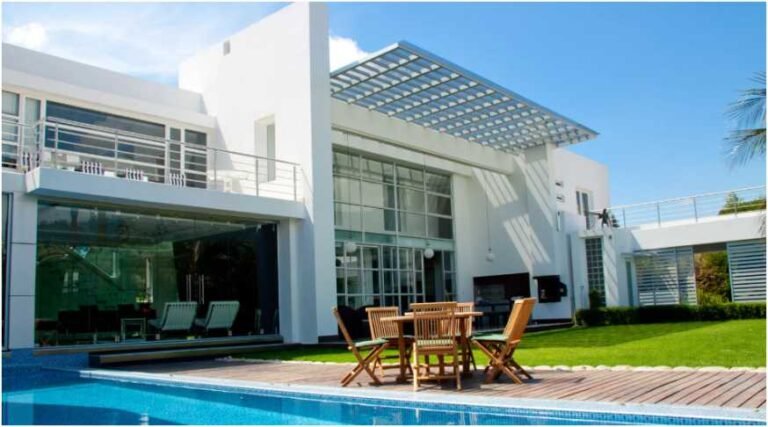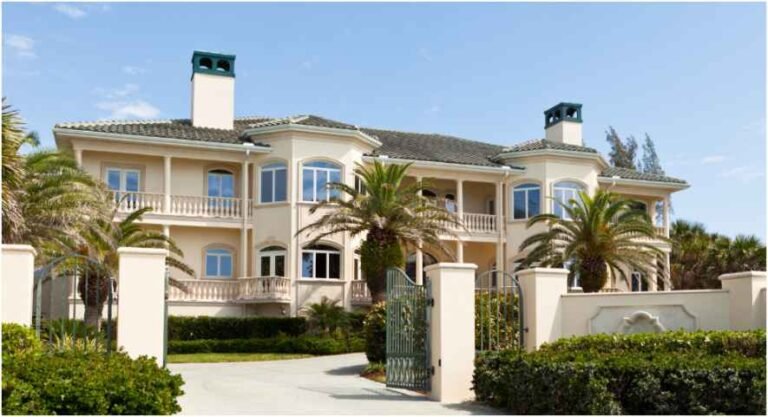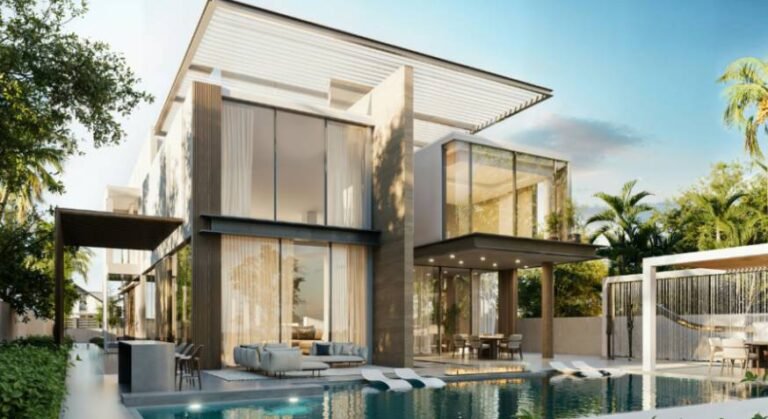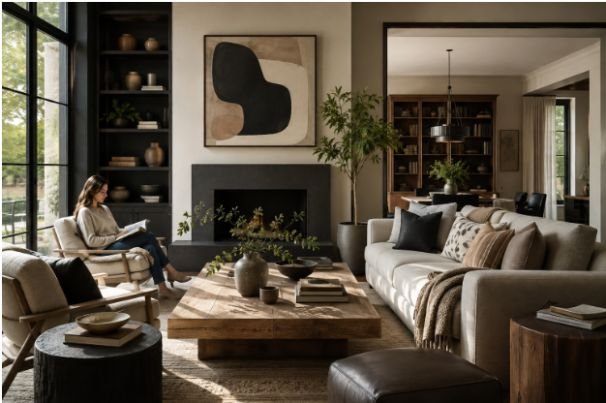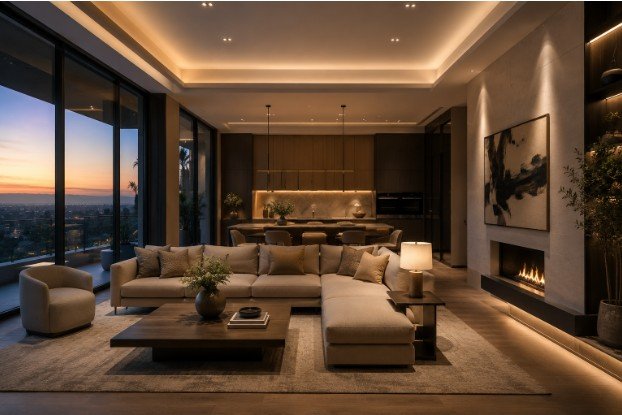
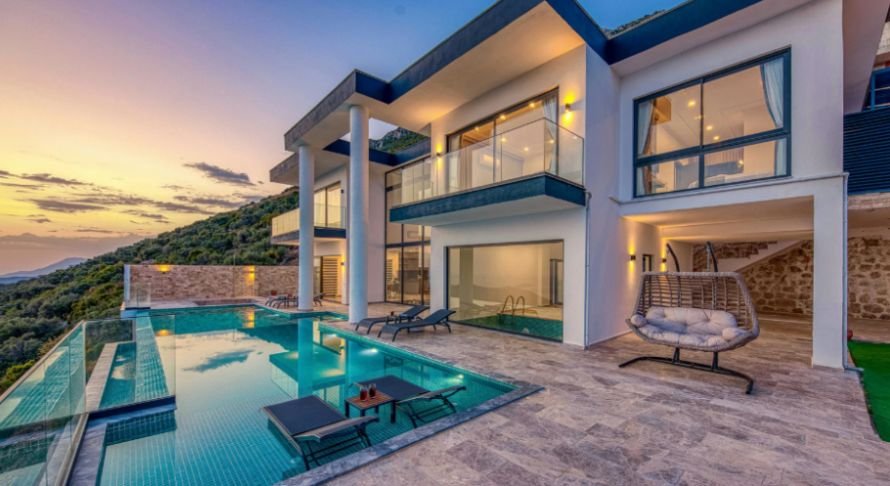
A huge price tag can make a home expensive. It does not automatically make it luxurious. When I consider what makes a home a luxury property, I look for something harder to replicate: exceptional location, thoughtful design, privacy, craftsmanship, useful amenities, and effortless comfort.
True luxury usually appears when several of those qualities work together. A spectacular kitchen cannot compensate for a poor location. Likewise, an exclusive address cannot hide mediocre construction.
Luxury Is About More Than a High Price
There is no single nationwide dollar amount that turns a house into a luxury property.
A $2 million home may sit at the top of one local market while representing a relatively ordinary property elsewhere. Luxury therefore needs context. I prefer to judge a home against the best properties available in its own market.
Price still matters because rare land, custom construction, premium finishes, and extensive amenities cost money. Yet scarcity matters more.
Imagine two properties. One is a $4 million oversized house filled with fashionable finishes found in several nearby developments. The other is a $2.5 million architect-designed residence overlooking protected coastline where similar lots rarely become available.
I would consider the second property potentially more luxurious. It offers something money cannot easily reproduce: scarcity.
That distinction is central to understanding what makes a home a luxury property.
Prime Location Creates Scarcity

Location carries extraordinary weight in luxury real estate because buildings can change while land cannot.
Prestigious neighborhoods, waterfront parcels, mountain settings, gated enclaves, and elevated urban locations can command attention because supply remains limited.
Views, Access, and Neighborhood Prestige
A luxury location often combines beauty with convenience. Buyers may value an uninterrupted ocean view, direct ski access, proximity to cultural districts, or easy access to renowned restaurants.
Views become especially valuable when another property cannot easily block or duplicate them.
A 2025 Sotheby’s International Realty feature on a Bel Air estate highlighted 5.36 acres, city, ocean, and mountain views, plus a private double-gated approach. Those characteristics demonstrate how location, acreage, scenery, and exclusivity can work together.
Privacy Is Part of the Location
Privacy is one of the qualities I would examine before square footage.
Gated entrances, mature landscaping, generous setbacks, controlled access, large parcels, and thoughtful window placement can create separation without making a property feel isolated.
For many buyers, being able to enjoy a pool, terrace, or garden without constant exposure to neighboring homes is itself a premium feature.
Bespoke Architecture and Craftsmanship Matter

Another answer to what makes a home a luxury property is difficult-to-replicate design.
Luxury architecture usually feels intentional. Room proportions make sense. Windows frame specific views. Natural light reaches the right spaces. Indoor and outdoor areas connect naturally.
Premium Materials Must Serve the Design
Marble, natural stone, exotic wood, custom millwork, handmade tile, and architectural metalwork can signal quality. Yet expensive materials alone are not enough.
I look at how they are installed.
Book-matched stone, carefully aligned cabinetry, substantial doors, precise joinery, concealed hardware, and consistent detailing reveal more about quality than recognizable brand names.
This is where genuine luxury often separates itself from an expensive renovation designed mainly for photographs.
Space Should Feel Exceptional, Not Simply Large

Square footage attracts attention, but scale needs purpose.
Luxury homes often include tall ceilings, oversized windows, generous circulation areas, substantial primary suites, and indoor-outdoor entertaining zones. However, wasted corridors and enormous unused rooms do not automatically create luxury.
The best layouts make large homes comfortable.
Guest areas may provide separation from private family spaces. Service entrances can keep deliveries away from main entertaining areas. Outdoor kitchens can connect directly with dining spaces.
These details improve how the property works every day.
Luxury Amenities Create a Private Lifestyle

Amenities matter most when they reduce the need to leave home.
That may include a resort-style pool, spa, sauna, theater, gym, wine cellar, sports court, guesthouse, library, or landscaped entertainment pavilion.
Kitchens, Wellness, and Entertainment
A genuine chef’s kitchen usually offers more than premium appliances. I expect intelligent workflow, strong ventilation, ample preparation surfaces, refrigerated storage, and a substantial pantry.
Wellness areas can include steam showers, cold-plunge facilities, saunas, massage rooms, or dedicated fitness studios.
Recent luxury-market coverage from Christie’s International Real Estate has highlighted amenities such as infrared saunas and highly specialized recreational spaces, showing how premium homes continue moving toward private, personalized experiences.
Smart Home Technology Should Work Quietly
Technology is increasingly part of what makes a home a luxury property, but complexity is not luxury.
The best systems simplify living. Lighting, climate zones, shades, entertainment, access controls, irrigation, and monitoring should operate through a coherent system rather than six disconnected apps.
ENERGY STAR notes that smart-home energy management can coordinate thermostats, lighting, plug loads, appliances, EV charging, and other connected systems. Occupancy-based automation can also help manage energy consumption.
In a luxury home, I would also inspect whether the technology remains serviceable. An impressive automation system becomes a liability if replacement parts are obsolete.
Security and Resilience Add Another Layer
High-end living increasingly includes invisible infrastructure.
That can mean controlled gates, surveillance, monitored access, leak detection, fire protection, backup power, and professionally designed network systems.
Resilience also matters in areas exposed to storms or utility interruptions.
Solar panels alone do not normally provide power during an outage. The U.S. Department of Energy explains that a properly configured inverter and energy storage are required for many residential solar systems to operate independently during grid failure.
That distinction matters. Luxury should deliver reliable performance, not simply impressive equipment specifications.
Before purchasing a highly complex property, I would also investigate how much does it cost to maintain a luxury home. Pools, elevators, extensive landscaping, sophisticated HVAC systems, automation, and specialty finishes can all create significant long-term obligations.
Before purchasing a highly complex property, I would also investigate how much does it cost to maintain a luxury home. Pools, elevators, extensive landscaping, sophisticated HVAC systems, automation, and specialty finishes can all create significant long-term obligations.
My Five-Part Test for a Genuine Luxury Property
When deciding what makes a home a luxury property, I find five questions more useful than counting bedrooms.
First, is something about the property genuinely scarce? That might be land, views, provenance, architecture, or location.
Second, is the execution exceptional? Materials and craftsmanship should withstand close inspection.
Third, does the property protect privacy?
Fourth, do its amenities meaningfully improve the owner’s lifestyle?
Finally, does the infrastructure make living easier, safer, and more comfortable?
A property that performs strongly across all five areas has a stronger luxury case than one relying on price and visual drama alone.
How Price Fits Into the Luxury Equation
Price confirms market demand, but it should not become the definition.
Luxury pricing varies dramatically between Manhattan, Miami, Los Angeles, Aspen, Dallas, and smaller metropolitan markets. Even neighborhoods within the same city can have different expectations.
That is why what makes a home a luxury property ultimately comes down to its position within the local market and the qualities competitors cannot easily copy.
Buyers should compare location, lot scarcity, construction quality, architectural pedigree, privacy, views, amenities, systems, and condition before being impressed by the asking price.
A detailed luxury home inspection checklist for buyers can help uncover hidden defects, aging systems, structural concerns, and costly maintenance issues before the purchase is finalized.
FAQs About Luxury Properties
1. What features make a house qualify as luxury?
Prime location, privacy, custom architecture, superior materials, refined craftsmanship, advanced systems, distinctive views, and lifestyle-focused amenities commonly distinguish luxury properties.
2. Does a home need to be a mansion to be luxurious?
No. A smaller architecturally significant home in an irreplaceable location can offer greater exclusivity than a much larger conventional residence.
3. What makes a home a luxury property instead of simply expensive?
What makes a home a luxury property is its combination of scarcity, location, craftsmanship, privacy, design quality, technology, amenities, and an exceptional living experience.
4. Are smart-home features necessary in a luxury house?
Not always, but integrated climate, lighting, security, shading, and energy management increasingly support the convenience expected in modern high-end properties.
The Final Verdict: Expensive Is Easy, Exceptional Is Rare
When I assess what makes a home a luxury property, I would never start with the listing price. I would start with what cannot easily be recreated.
The strongest luxury homes combine irreplaceable land, excellent architecture, meticulous craftsmanship, privacy, useful amenities, and dependable technology. Every major feature supports the way the owner actually lives.
That is the difference between a house filled with expensive things and a genuinely exceptional property.
Before buying, inspect beyond the finishes. Study the location, construction, systems, maintenance demands, privacy, and long-term rarity. Those qualities reveal whether the luxury is real or merely part of the marketing.