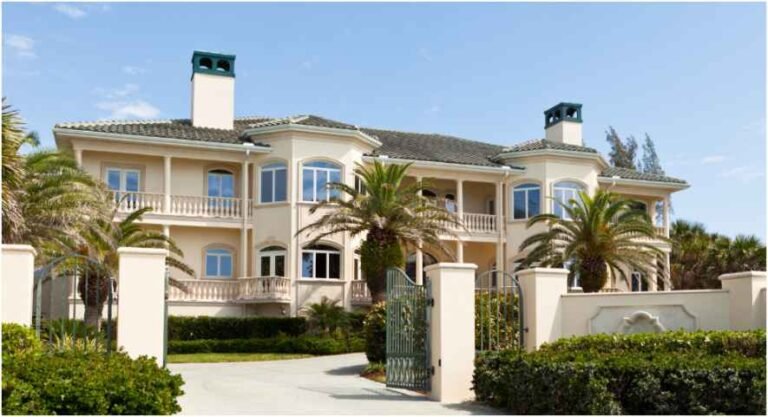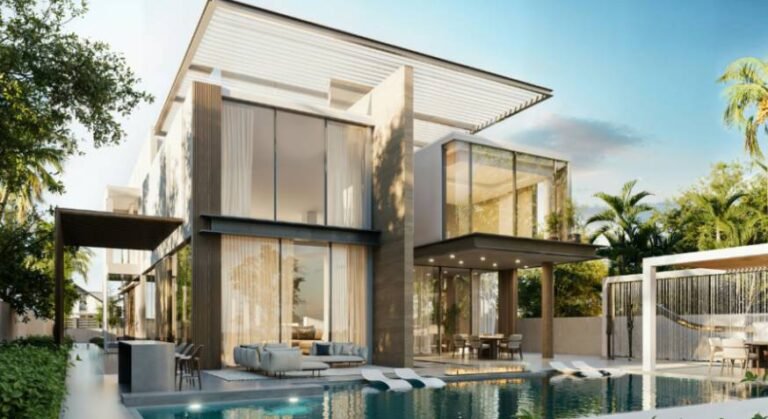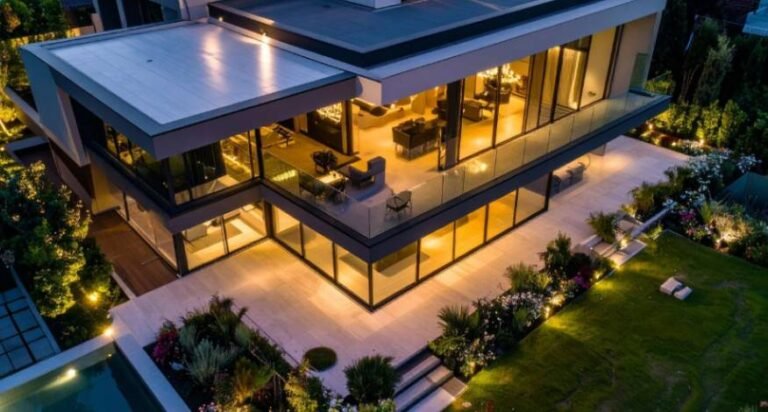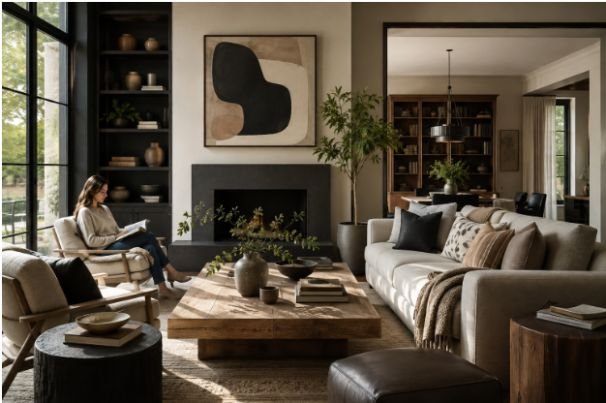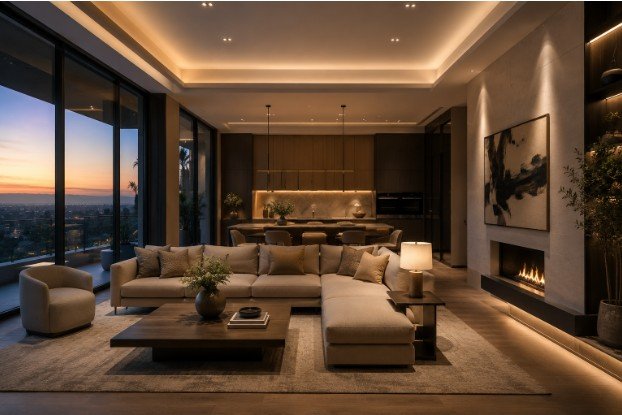
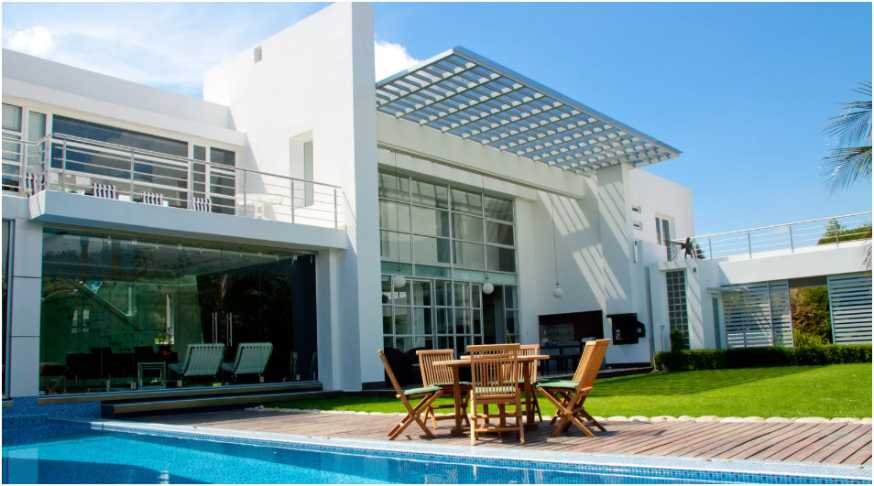
A luxury home can look spectacular and still disappoint when it reaches the resale market. The factors that increase luxury home resale value are usually those that make a property scarce, effortless to own, and difficult for competing listings to replicate.
I prefer to judge luxury improvements by what the next buyer will value, not simply by what costs the most. That distinction matters because a six-figure renovation does not automatically create the same amount of market value.
Fannie Mae explains that appraisers consider factors such as location, views, design, condition, property features, comparable sales, and market conditions. That makes local buyer demand just as important as the price of an upgrade.
Location, Privacy, and Views Set the Resale Ceiling
Location remains one of the strongest factors that increase luxury home resale value because homeowners cannot renovate their way into a better setting.
Prestigious neighborhoods, gated communities, low traffic exposure, privacy, and limited housing supply can create scarcity. Access to respected schools, private clubs, marinas, airports, restaurants, and cultural districts may also strengthen demand.
Permanent Views Can Be More Valuable Than Trendy Interiors
Waterfront, mountain, golf course, and skyline views deserve special attention.
I would generally prioritize a protected view over an expensive interior trend. Marble can be replaced. A property’s position cannot.
Buyers should also consider whether nearby development could block that view later. A spectacular outlook carries greater resale strength when its long-term visibility is reasonably secure.
Timeless Materials Beat Expensive Personalization
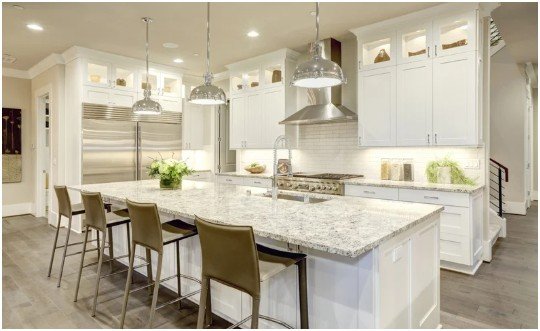
Premium finishes are important factors that increase luxury home resale value, but only when buyers recognize their quality and do not immediately want to replace them.
Custom cabinetry, wide-plank hardwood, premium stone, architectural millwork, and well-made doors can communicate craftsmanship. Kitchens may also benefit from integrated appliances by established premium brands such as Sub-Zero, Miele, or Gaggenau.
The Luxury Kitchen Still Needs Restraint
Book-matched stone and custom cabinetry can create impact without making a room overly personal.
I favor timeless colors and natural materials over elaborate mosaics, unusual patterns, or extremely trend-driven finishes. Luxury buyers may appreciate originality, but resale improves when they can imagine themselves living in the space.
The National Association of REALTORS® found another useful lesson in its 2025 Remodeling Impact Report. Complete and minor kitchen renovations delivered an estimated 60% cost recovery, while a steel front door reached 100%. Expensive does not automatically mean better ROI.
Energy Efficiency Is Becoming a Luxury Feature
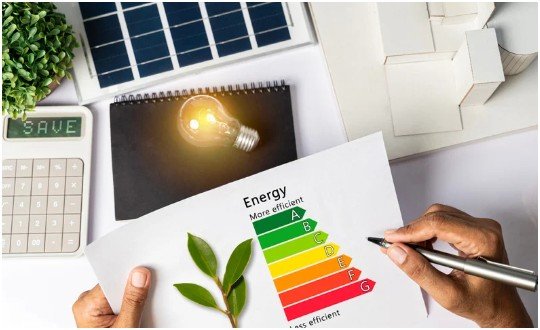
Energy performance deserves a place among the factors that increase luxury home resale value, particularly because larger homes can carry significant operating costs.
A high-performance building envelope, quality insulation, efficient HVAC equipment, zoned climate control, high-performance windows, and appropriate solar installations can improve comfort while reducing waste.
ENERGY STAR reports that studies have found sales premiums of roughly 2% to 8% for rated energy-efficient homes in various US markets. A Freddie Mac study cited by ENERGY STAR found an average 2.7% premium for rated efficient single-family homes.
Those figures are not specific to multimillion-dollar estates, so I would not automatically apply them to every luxury property. They do show that verified energy performance can have measurable market value.
Keep equipment records, energy ratings, utility history, warranties, and solar documentation. Buyers value performance more easily when sellers can prove it.
Wellness Features Should Improve Everyday Living
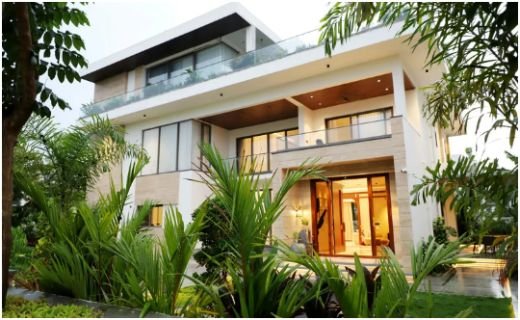
Wellness amenities have become noticeable factors that increase luxury home resale value, but usefulness matters more than novelty.
Whole-house water treatment, balanced humidity, effective ventilation, and quality air filtration can appeal to a much broader buyer group than an extremely specialized spa room.
The EPA says Americans spend about 90% of their time indoors and identifies ventilation, filtration, air cleaning, and source control as important ways to improve indoor air quality.
Infrared saunas, steam rooms, cold plunges, massage areas, and professional gyms can add another layer of appeal when comparable homes in the market offer similar amenities.
I view those additions as multipliers. They work best after air quality, water quality, climate control, and basic mechanical performance are already excellent.
Smart Automation Should Disappear Into the Home
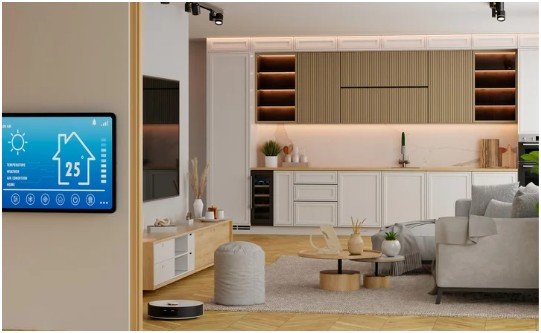
Technology becomes one of the factors that increase luxury home resale value when it makes ownership simpler.
Integrated systems from platforms such as Crestron, Savant, or Control4 can coordinate lighting, shades, climate, entertainment, gates, and security.
The best system rarely draws attention to itself. Lights respond correctly. Shades move quietly. Climate zones work. Music plays without troubleshooting six different apps.
Avoid Creating Technology Debt
Rapidly aging equipment can become a resale liability.
I prefer accessible wiring, labeled equipment racks, transferable accounts, manual controls, service records, and clear upgrade paths.
The same principle applies to security. Cameras, controlled gates, discreet perimeter monitoring, smart locks, and layered access control can increase confidence. Excessively complicated biometric systems may have less universal appeal if ownership becomes difficult.
Resort-Style Outdoor Living Extends the House
Usable outdoor space can become one of the most visible factors that increase luxury home resale value.
Covered entertaining areas, premium outdoor kitchens, architectural pools, fire features, landscape lighting, and mature privacy planting can transform a backyard into usable living space.
Climate should guide the investment. Shade and cooling matter in Arizona. Heating and weather protection may deliver more value in colder markets.
Landscaping deserves particular attention. NAR research has found substantial cost recovery potential for certain landscape projects while stressing that actual returns depend on design, location, quality, and property condition.
The goal should be resort-style comfort without resort-style maintenance.
A massive water installation or demanding exotic garden may look impressive but scare buyers who immediately calculate upkeep.
Flexible Floor Plans Protect Future Demand
Adaptability is another of the factors that increase luxury home resale value because wealthy households do not all use their homes the same way.
A soundproofed office might later become a library. A wellness room could become a studio. A secondary prep or “dirty” kitchen can support catering, staff, or large family gatherings.
Boutique-style closets also combine storage with presentation. NAR’s 2025 report estimated 83% cost recovery for closet renovations, placing them among the stronger projects measured.
Dedicated theaters can remain attractive, but I prefer flexible media rooms over spaces designed so specifically that conversion becomes expensive.
My Resale-Friction Test for Luxury Upgrades
Before approving a major renovation, I apply three questions.
Does the feature expand the likely buyer pool? Can buyers or appraisers recognize its value? Does it make ownership easier rather than adding another maintenance problem?
Consider two hypothetical $4 million homes.
One spends heavily on personalized mosaics, complex water features, and proprietary entertainment equipment. The other invests the same amount in timeless stone, privacy landscaping, high-performance HVAC, adaptable rooms, and well-integrated technology.
The first property may produce more dramatic listing photos.
The second may give buyers fewer reasons to hesitate.
That difference captures the most durable factors that increase luxury home resale value: scarcity, usability, quality, documentation, and low ownership friction.
Luxury That Resells Does Not Need to Shout
The best luxury homes feel expensive before buyers start identifying individual expensive objects.
Location creates scarcity. Craftsmanship creates confidence. Efficient systems reduce ownership costs. Wellness improves comfort. Technology removes friction. Outdoor living expands usable space.
Before renovating, I would compare the proposed improvement against recently sold luxury homes within the same micro-market. Avoid using national trends as a substitute for local evidence.
It also helps to understand luxury home vs mansion differences before deciding how many specialized amenities a property really needs. A feature that fits a 15,000-square-foot estate may feel unnecessary in a smaller high-end residence.
Ultimately, the factors that increase luxury home resale value are the ones that help future buyers say yes without mentally calculating what they must replace, repair, or remove.
FAQs
1. What improvements increase luxury home resale value most?
Timeless kitchens, privacy improvements, energy-efficient systems, flexible rooms, quality landscaping, and well-integrated technology usually offer broader appeal.
2. Do smart-home features raise luxury property value?
They can, especially when the technology is reliable, integrated, documented, serviceable, and simple for a new owner to operate.
3. Do pools increase the resale value of luxury homes?
Pools can strengthen resale appeal in markets where luxury buyers expect them, particularly when design, landscaping, climate, and maintenance are appropriate.
4. Which factors that increase luxury home resale value should come first?
Prioritize location advantages, property condition, privacy, energy performance, durable materials, and flexible spaces before adding highly personalized amenities.