
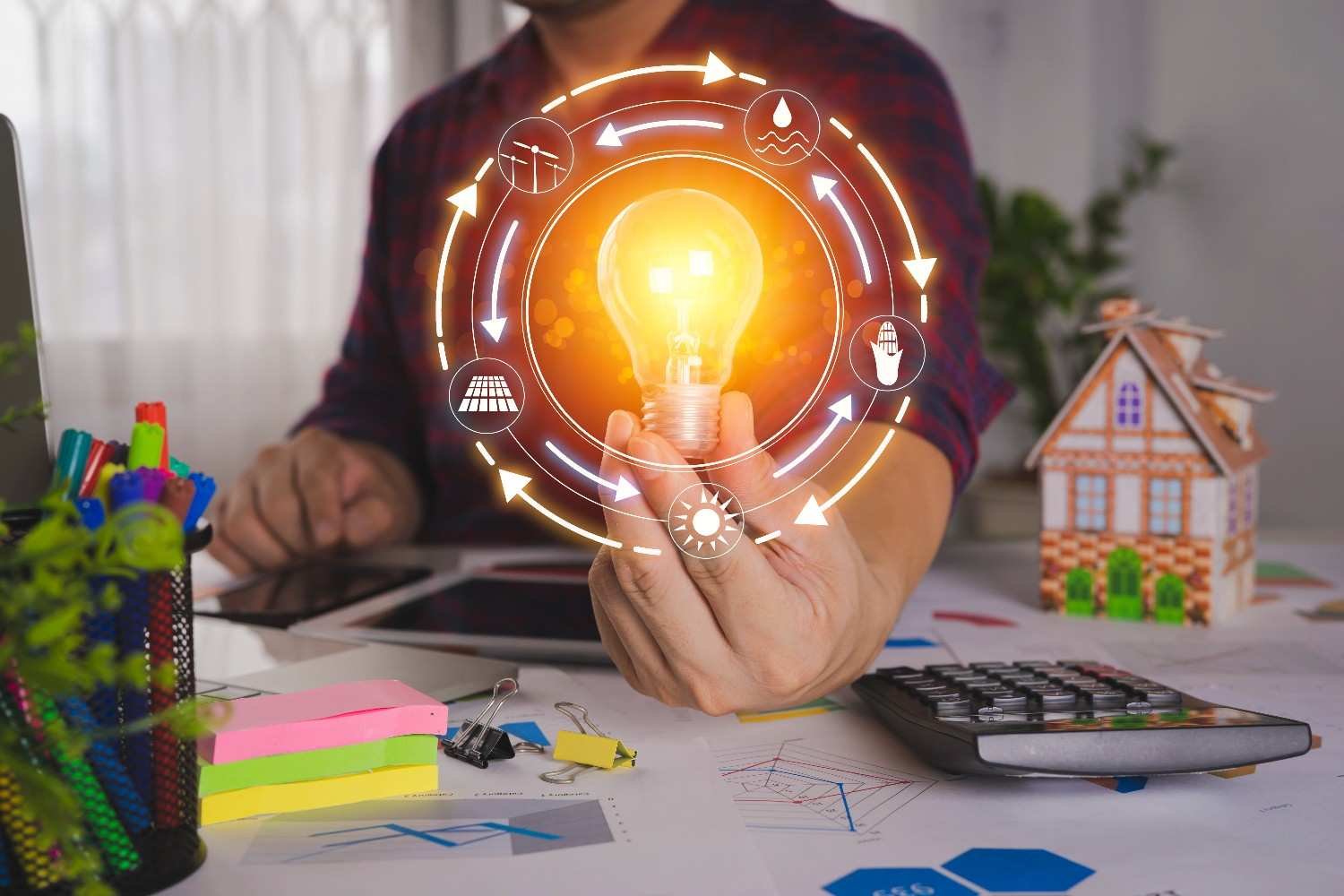
Creating an energy-efficient home is one of the most effective strategies for reducing monthly utility expenses, lowering your environmental footprint, and improving indoor living comfort. As energy costs rise and environmental sustainability becomes a top priority for modern homeowners, optimizing household energy performance offers immediate and long-term financial benefits. From simple daily habit adjustments to strategic structural improvements, enhancing energy efficiency preserves natural resources while transforming your living space into a comfortable, sustainable sanctuary.
Upgrade Insulation and Seal Air Leaks Around the Building Envelope
A home’s building envelope—comprising the roof, attic, walls, doors, and windows—serves as the primary barrier between conditioned interior air and outdoor weather elements. Inadequate insulation and unsealed air gaps allow heated air to escape during winter and permit unwanted solar heat to infiltrate during summer.
Inspecting attic insulation levels is an essential starting point for efficiency improvements. Adding cellulose or fiberglass insulation to achieve recommended thermal resistance values stops warm air from rising out through the roof. Additionally, apply weatherstripping around exterior door frames and seal window casing gaps with high-performance exterior caulk to stop drafty air movement immediately.
When addressing major thermal inefficiencies or aging structural barriers, partnering with professional home insulation services in West Haven ensures complete, high-density coverage across attic spaces and wall cavities. Reducing air leakage decreases heating and cooling workloads, leading to lower monthly energy bills and extended mechanical system lifespans.
Sealing Windows and Doors with Weatherstripping
Applying adhesive weatherstripping around exterior door perimeters blocks cold drafts and prevents expensive indoor heat from escaping.
Installing door sweeps eliminates drafty air gaps at floor levels, keeping interior rooms comfortable. Simple sealing upgrades deliver fast energy savings.
Enhancing Attic Thermal Insulation Depth
Blown-in cellulose insulation fills hidden structural gaps, creating a continuous thermal blanket across upper ceiling joists.
Increasing attic insulation depth stops seasonal heat loss, stabilizing household temperatures across winter months. Thermal insulation maximizes heating efficiency.
Optimize Heating and Cooling Systems with Smart Controls
Heating and cooling account for more than half of an average home’s total energy consumption, making HVAC optimization a high-impact area for efficiency gains. Operating outdated HVAC equipment or running heating systems continuously when no one is home wastes substantial electricity and natural gas.
Upgrade to a programmable or smart thermostat that automatically adjusts interior temperatures based on your daily household schedule. Lowering thermostat settings several degrees while occupants are away or sleeping reduces daily energy demands without compromising personal comfort.
Additionally, schedule annual HVAC maintenance tune-ups to clean air coils, inspect electrical contacts, and replace air filters every one to three months. Clean air filters preserve optimal airflow, allowing heating and cooling systems to operate at peak efficiency.
Utilizing Smart Thermostats for Automated Savings
Smart thermostats learn household routine patterns, automatically reducing temperature outputs when the home is unoccupied.
Remote smartphone controls allow homeowners to adjust climate settings from anywhere, preventing unnecessary energy waste. Automated controls optimize daily HVAC usage.
Replacing Air Filters to Preserve System Airflow
Clogged HVAC filters restrict airflow, forcing blower motors to consume excess electricity to circulate air.
Replacing filters regularly protects mechanical components from dust accumulation while lowering monthly energy consumption. Fresh filters maintain system efficiency.
Upgrade to Energy-Efficient Lighting and Appliances
Transitioning away from outdated incandescent lighting and inefficient home appliances delivers immediate, measurable reductions in electrical draw. Modern technology provides exceptional functional performance while consuming a fraction of the electricity required by older systems.
Replace all traditional light bulbs with high-efficiency light-emitting diode (LED) fixtures. LED bulbs use up to 75 percent less energy than incandescent lighting and last up to 25 times longer, generating minimal waste heat and lowering summer cooling demands.
When replacing old refrigerators, washing machines, dishwashers, or clothes dryers, select energy-certified appliances designed to conserve water and electricity. High-efficiency appliances incorporate advanced motors and sensor technology that optimize utility consumption during every operational cycle.
Converting Household Fixtures to LED Technology
Installing LED light bulbs across high-use living areas reduces lighting electrical loads instantly without sacrificing lumen brightness.
LED fixtures emit negligible heat, keeping indoor living spaces cooler during hot summer months. LED conversions drive immediate utility savings.
Selecting High-Efficiency Clothes Washers and Dryers
Modern front-loading washing machines use advanced spin cycles to extract excess water, drastically shortening required dryer cycle times. Selecting sensor-dry clothes dryers prevents over-drying by automatically stopping cycles when clothes are completely dry. These smart appliances can also be considered essential features for luxury lifestyle choices because they combine convenience, efficiency, and modern functionality while helping preserve household electricity.
Enhance Water Heating Efficiency and Conservation Habits

Water heating represents the second largest energy expense in most residential properties, consuming energy continuously to maintain hot water availability. Adopting water conservation habits and upgrading water heater efficiency reduces both utility bills and overall water usage.
Lower your water heater temperature setting to 120 degrees Fahrenheit. Factory default settings are often set unnecessarily high at 140 degrees, wasting standby energy and posing scalding risks at sinks and showers. Wrap older storage tanks in insulating blankets to prevent standby heat loss.
Additionally, install low-flow showerheads and aerated sink faucets to reduce hot water consumption without compromising water pressure. Taking shorter showers and washing clothes in cold water cycles further minimizes the energy required for daily water heating tasks.
Insulating Hot Water Pipes and Storage Tanks
Wrapping exposed hot water pipes with foam insulation sleeves stops water heat from dissipating as it travels to faucets.
Insulating storage tanks preserves water temperatures longer, reducing standby heating energy demands. Pipe insulation cuts hot water expenses.
Installing Low-Flow Aerated Faucet Fixtures
Low-flow showerheads mix air into water streams, delivering satisfying water pressure while using up to 50 percent less water.
Reducing overall hot water usage lowers monthly water heating energy demands significantly. Low-flow fixtures maximize water conservation.
Maximize Natural Daylight and Window Efficiency
Windows play a central role in household energy efficiency, acting as key source points for natural daylight, winter solar heat gain, and summer heat infiltration. Optimizing window treatments and glass performance enhances indoor climate balance naturally.
Utilize energy-efficient window coverings, such as cellular honeycomb shades, insulated curtains, or solar window films. Closing window blinds on sun-exposed walls during hot summer afternoons blocks solar radiation, keeping interior spaces cooler naturally without heavy air conditioning reliance.
In winter, open south-facing window curtains during sunny daylight hours to capture free solar heating, closing them at sunset to trap warmth inside. When replacing old windows, select double- or triple-pane units featuring low-emissivity glass coatings that reflect radiant heat while letting natural light illuminate interior spaces clearly.
Utilizing Cellular Shades for Window Insulation
Cellular shades feature honeycomb air pockets that trap air, creating a thermal barrier between cold window glass and interior rooms.
Drawing cellular shades at night stops indoor heat from escaping through glass panes. Insulated shades enhance window thermal performance.
Applying Low-Emissivity Solar Window Films
Applying micro-thin solar control films to existing window glass blocks harmful ultraviolet rays while reducing summer heat gain.
Solar window films lower cooling demands during heatwaves without darkening interior living spaces. Window films improve solar heat control.
Adopt Mindful Energy Habits and Smart Power Strip Controls
While structural upgrades and efficient equipment provide powerful savings, personal daily habits ultimately dictate total household energy performance. Developing mindful energy habits costs nothing while yielding immediate operational savings.
Unplug electronics, computer chargers, gaming consoles, and small kitchen appliances when not in use. Many electronic devices consume “phantom power”—continuous standby electricity—even when turned off or fully charged.
Plug electronic entertainment centers and home office equipment into smart power strips that automatically cut electricity supply to peripheral devices when primary machines are turned off. Small daily habits—such as washing laundry in cold water, air-drying dishes, and turning off lights when leaving empty rooms—compound into major annual utility savings.
Eliminating Phantom Energy Draw with Smart Power Strips
Smart power strips detect when primary electronics enter standby mode, automatically shutting off power to auxiliary speakers and monitors.
Stopping phantom power draw cuts invisible electricity waste across home entertainment setups. Smart power strips eliminate standby power loss.
Washing Laundry in Cold Water Cycles
Modern laundry detergents are engineered to clean clothing effectively in cold water, eliminating the need to heat wash water.
Washing clothes in cold water cuts laundry energy usage by up to 90 percent per wash load. Cold water washing maximizes laundry efficiency.
Conclusion
Making your home more energy efficient is an ongoing, rewarding process that delivers financial savings, structural comfort, and environmental benefits. By sealing building envelope air leaks, optimizing HVAC systems with smart controls, upgrading to LED lighting and efficient appliances, improving water heating efficiency, maximizing window performance, and eliminating phantom power draw through mindful daily habits, you build a more sustainable home. Many of these improvements also reflect the growing demand for energy-efficient features in luxury homes, where comfort and efficiency increasingly go hand in hand.
Implementing these energy-efficient strategies transforms your living space into a high-performing sanctuary, reducing monthly utility bills while protecting natural resources for years to come.