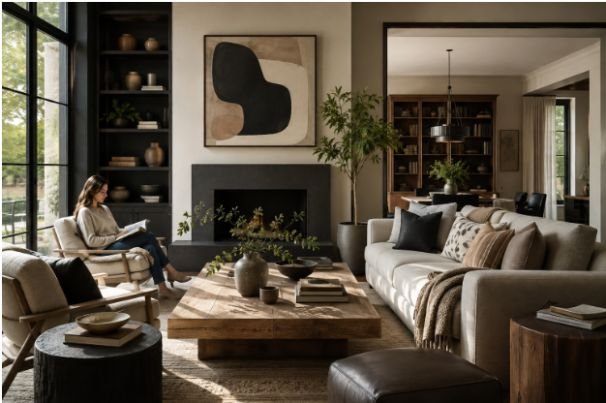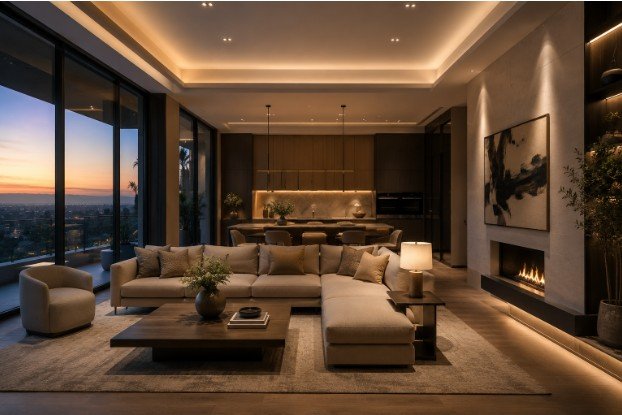
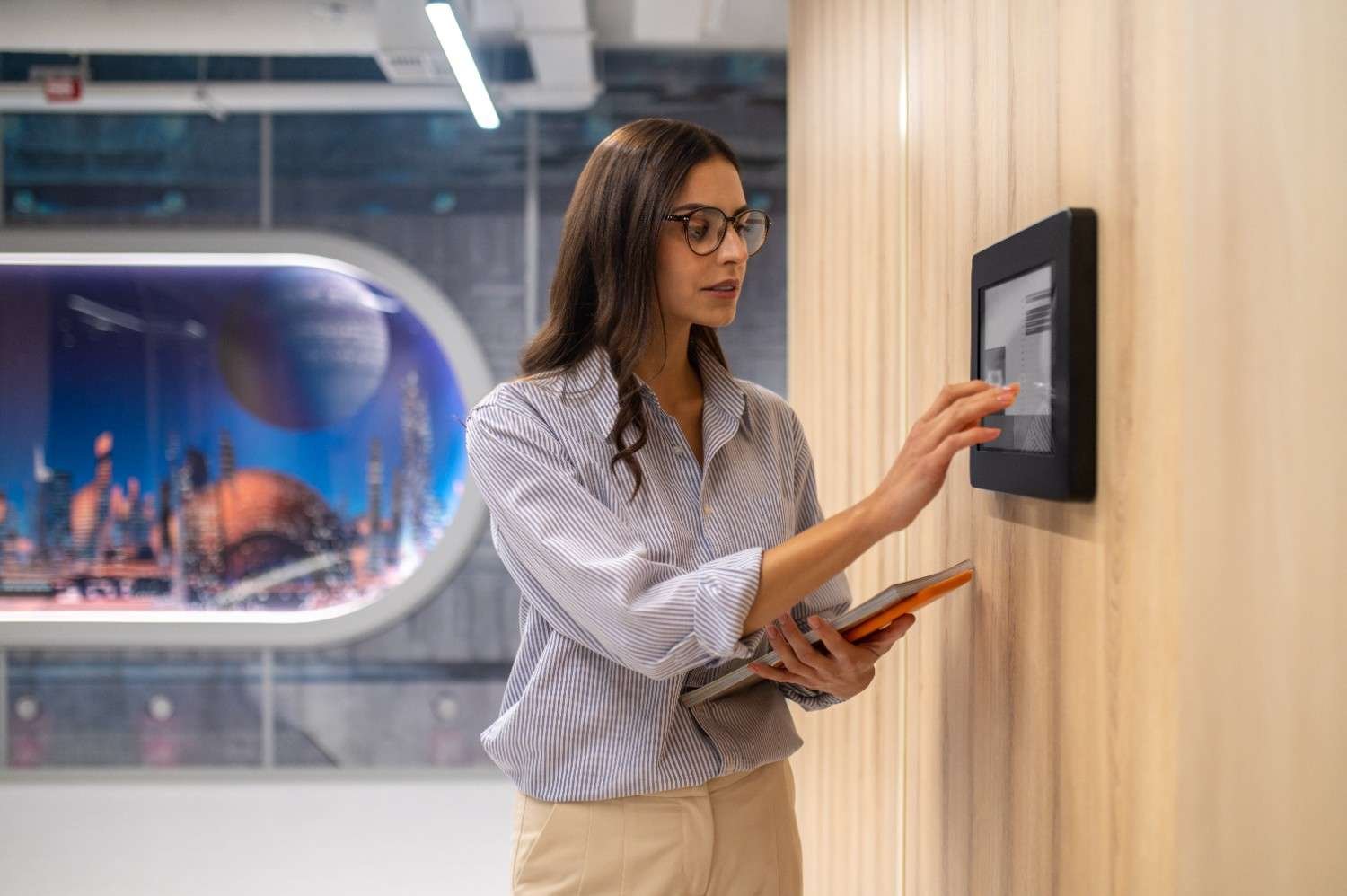
A high-end property should feel private, welcoming, and effortless rather than visibly fortified. When I evaluate luxury home security features, I look for systems that detect problems early, control access discreetly, and keep working when power or internet service fails.
For US estates, that increasingly means combining architectural protection with intelligent surveillance, biometrics, automation, cybersecurity, and professional response.
What Makes a Luxury Home Security System Different?
Luxury estate security may need to protect long driveways, guesthouses, service entrances, valuable collections, energy-efficient systems, and multiple smart-home systems. I prefer a layered strategy that detects activity early, verifies it, controls entry, and maintains communication during outages.
Instead of relying on one alarm panel, a high-end home security system can protect the perimeter, entrances, interior zones, digital infrastructure, and emergency systems simultaneously. It can also work alongside energy-efficient features in luxury homes, such as smart lighting, automated shading, efficient climate controls, and backup power systems, to create a more resilient and intelligently managed property.
How Can Advanced Access Control Protect a Luxury Estate?
Biometrics and Smart Locks Can Replace Traditional Keys
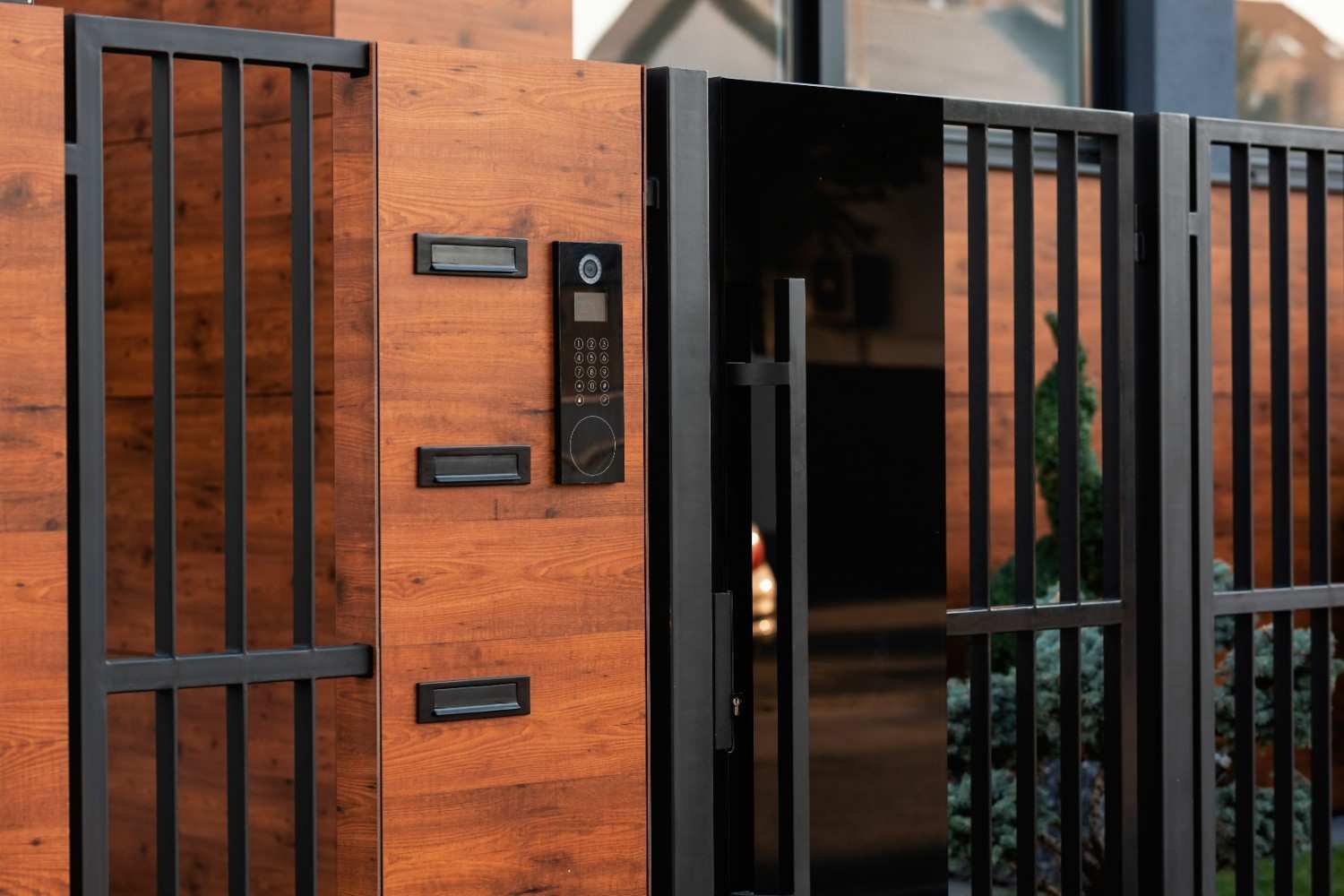
Biometric home security can use fingerprint, facial, retina, or vascular palm recognition. Smart locks can also integrate concealed motorized deadbolts into custom designer doors without disrupting high-end aesthetics.
Automated vehicle gates may work with video intercoms, long-range RFID credentials, or license plate recognition. Temporary digital keys also make sense for housekeepers, contractors, landscapers, property managers, and guests because access can be restricted to certain hours and removed immediately.
This makes access control particularly valuable for estates where numerous people may legitimately enter the property without needing unrestricted access.
Which Perimeter and Surveillance Technologies Work Best?
4K, Thermal, and AI Cameras Provide Smarter Detection
Luxury home surveillance systems may combine 4K cameras, night vision, thermal imaging, and AI analytics that distinguish people and vehicles from animals or routine movement.
Thermal cameras add another layer because they can detect human heat signatures in darkness or areas where conventional visible-light cameras have limited effectiveness.
For multi-acre estates, security cameras for large properties can be supplemented with driveway sensors, ground radar, virtual geofencing, or buried seismic sensors that identify footsteps or vehicle movement near a boundary. These technologies create an early-warning zone instead of waiting until someone reaches the residence.
How Can Physical Security Blend With Luxury Architecture?
Strong protection should not make a residence resemble a commercial facility. Security-rated or ballistic glazing can reinforce vulnerable areas, while reinforced-core doors, concealed contacts, and discreet cameras can blend into luxury architecture.
Privacy landscaping, controlled sightlines, automated shades, and privacy glass can also reduce unwanted visibility. These privacy features for luxury homes improve discretion without sacrificing curb appeal or natural light.
I also like hidden panic or duress buttons in strategic locations such as bedrooms, kitchens, home offices, or private suites. They can silently trigger a response without requiring someone to reach the main alarm panel.
Should a High-End Home Have a Safe Room?
A fortified safe room or panic room can include reinforced construction, ballistic steel doors, dedicated communications, backup power, independent ventilation, surveillance access, and secure storage.
Some advanced designs may even use independent air-management systems and dedicated phone connections so occupants retain communication during an emergency.
I would base the specification on a professional risk assessment rather than assuming every property needs extreme protection. Secure rooms can also safeguard jewelry, important documents, art, collectibles, and other high-value possessions.
How Does Smart Home Automation Improve Security?
Smart security systems for luxury homes become more effective when their components communicate.
A programmed emergency event could lock exterior zones, close gates, activate surveillance cameras, switch on exterior floodlights, lower motorized security shutters, and alert professional monitoring at the same time.
Lighting automation can also simulate occupancy while homeowners travel by varying interior and exterior lights rather than following an obvious repetitive schedule.
Critical alarms, locks, cameras, and communications should still retain independent resilience so one automation-platform failure does not compromise the entire home.
Why Is Cybersecurity Essential in a Connected Luxury Home?
Connected locks, cameras, lighting, gate controls, and automation systems make cybersecurity part of physical security.
I recommend separating surveillance cameras and access systems from guest Wi-Fi and less-sensitive smart devices. Network segmentation, secure Wi-Fi standards, strong authentication, professionally configured firewalls, regular firmware updates, and restricted remote access can reduce exposure.
An isolated security network is particularly useful because a compromised entertainment system or guest device should never provide an easy route to cameras, gates, or electronic locks.
What Happens During a Power or Internet Outage?
Redundant power and communication distinguish a serious high-end home security system from a collection of smart gadgets.
Battery backups and uninterruptible power supplies can support essential equipment during short outages. Whole-home generators and solar-plus-battery systems can extend protection during longer disruptions.
Cellular communication failover and local video recording can also keep critical systems functioning if broadband disappears. This matters across the United States, where hurricanes, wildfires, storms, and grid failures can interrupt both electricity and communications.
What Other Risks Should Luxury Home Security Cover?
Security should extend beyond burglary.
Fire, smoke, carbon monoxide, frozen pipes, water leaks, and equipment failures can cause enormous losses in a property containing custom finishes, electronics, art, wine collections, and expensive furnishings.
Smart environmental sensors, smoke and heat detection, water-leak monitoring, and automatic shutoff valves can warn homeowners before a small issue turns into a major loss. I find these technologies especially useful for vacation homes and seasonal residences that remain vacant for extended periods.
Professional 24/7 monitoring can add another layer by receiving alarms, verifying events, contacting owners or property managers, and requesting emergency assistance when required.
Which Security Upgrades Are Actually Worth the Investment?
Not every residence needs ground radar, biometric scanners, ballistic glass, or a fortified safe room.
A Manhattan penthouse, a gated California residence, a Florida waterfront home, and a multi-acre Texas estate face very different threats.
I would begin with a professional assessment of entrances, boundaries, sightlines, staff access, occupancy patterns, valuables, network infrastructure, local hazards, and emergency response times.
From there, I would prioritize perimeter detection, intelligent surveillance, secure access control, cybersecurity, environmental monitoring, and reliable backup power before investing in highly specialized technologies.
Frequently Asked Questions About Luxury Estate Security
1. What is the most important security feature in a luxury home?
Layered protection matters most because perimeter detection, surveillance, access control, cybersecurity, and backup systems reinforce one another.
2. Are biometric locks better than smart locks?
Biometrics offer stronger identity verification, while smart locks can provide easier temporary access management for guests and household staff.
3. Do luxury homes need thermal security cameras?
Thermal cameras can be particularly useful for large, dark, wooded, or heavily landscaped estates where conventional cameras may have limited nighttime visibility.
4. Can a luxury security system work during a power outage?
Yes. Batteries, generators, solar storage, cellular failover, and local recording can keep essential security functions operating during disruptions.
A Smarter Estate Should Also Be a Safer One
When I think about luxury home security features, the goal is not to surround a beautiful property with intimidating technology. It is to create quiet layers of protection that work together.
The right system detects suspicious activity before it reaches the house, verifies what is happening, restricts unauthorized entry, protects connected technology, responds to environmental threats, and continues operating during emergencies.
When those defenses are designed around the home’s architecture instead of added as an afterthought, serious security can remain almost invisible—and that is exactly how protection should feel in a modern luxury estate.