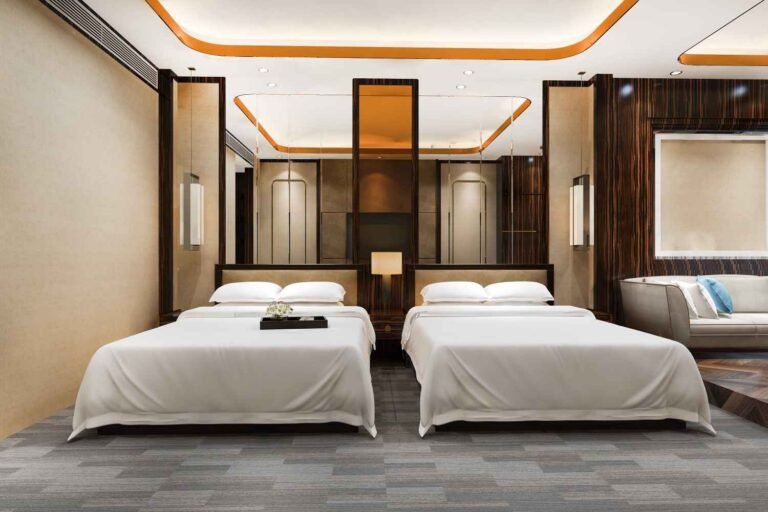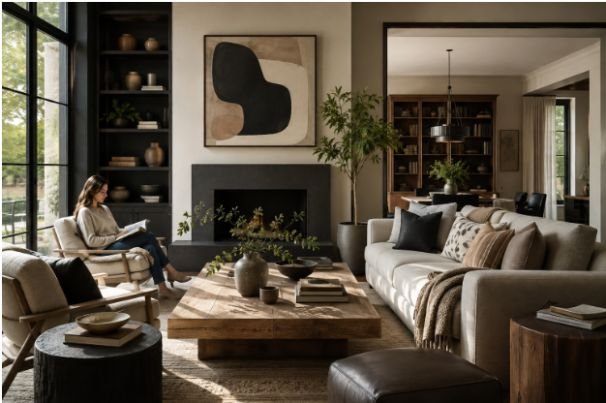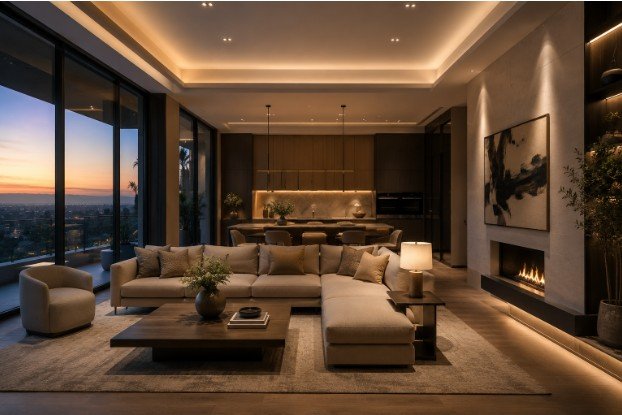

uxury gets attention, but the right luxury creates competition. When I look at the best luxury home features for resale value, I focus less on flashy upgrades and more on the details affluent buyers are willing to pay extra for, from sculpted landscaping and soaring ceilings to chef-ready kitchens, spa-style wellness spaces, smart security, and resilient energy systems.
A luxury home should feel impressive the moment someone arrives, but it should also make everyday living effortless. That is where real resale strength comes from. The smartest features blend architectural drama with privacy, comfort, efficiency, and turnkey convenience, giving future buyers fewer reasons to hesitate and far more reasons to make a serious offer.
What Luxury Home Features Add the Most Value?
The strongest luxury home resale value usually starts with features buyers cannot easily recreate. A prime location, protected view, generous lot, privacy, natural light, and a well-designed floor plan can matter more than an expensive design trend.
Luxury-market research also points toward integrated landscaping, perimeter security, tall ceilings, and energy efficiency as strong value signals. I treat specific percentages cautiously because luxury real estate varies dramatically by location, climate, price tier, and comparable sales.
Does Professional Landscaping Increase Luxury Home Value?
At the luxury level, landscaping becomes part of the architecture. Mature trees, privacy hedges, outdoor lighting, irrigation, garden areas, and quality hardscaping can make an estate feel complete before a buyer even enters the house.
One international luxury analysis reported a 40% appraisal lift associated with integrated green areas, while another luxury resale guide estimates high-quality landscaping can improve property value by 15% to 20%. I would not apply those figures blindly to an American property, but they reinforce an important point: affluent buyers value privacy, curb appeal, and cohesive indoor-outdoor design.
Do High Ceilings and Architectural Details Help Resale?

Double-height foyers, vaulted great rooms, oversized windows, custom crown molding, wood paneling, and restored historic architectural details can give a property character that buyers cannot reproduce cheaply.
One luxury-market source associates ceilings above 4 meters, approximately 13.1 feet, with a 22% appreciation signal in its market. For a US luxury home, I would focus more on proportion, natural light, acoustics, and HVAC efficiency than chase a specific ceiling height or percentage.
Is a Chef’s Kitchen With a Scullery Worth It?
For me, the professional chef’s kitchen remains one of the safest high-end home upgrades because buyers use it every day. NAR’s 2025 remodeling research estimated roughly 60% cost recovery for both minor and major kitchen projects, while some luxury-focused analyses place potential recovery between 60% and 80%.
I would prioritize custom cabinetry, natural marble, quartz or quartzite slabs, professional appliances, steam ovens, panel-ready refrigeration, strong ventilation, and generous storage.
A walk-in scullery or secondary “dirty kitchen” adds another level of practicality. It allows catering, food preparation, appliance storage, and cleanup to happen away from the main entertainment kitchen.
Current US data strengthens the case for premium kitchens. Zillow’s 2026 analysis found quartzite mentions associated with a 5.3% sale premium and gourmet kitchens with a 3% premium, although these figures represent associations rather than guaranteed ROI.
Are Spa Bathrooms and Wellness Rooms Worth the Investment?
Wellness-centric spaces have moved deeper into luxury residential design. I would prioritize a spa-like primary bathroom with a soaking tub, glass walk-in steam shower, heated flooring, smart bidet or toilet, beautiful natural materials, and thoughtful storage.
Some luxury resale estimates place bathroom cost recovery around 50% to 70%, depending on the project and market. Heated floors, steam showers, bidets, and other experience-focused features are also becoming increasingly familiar to today’s buyers.
A dedicated fitness center can add further appeal when it includes professional-grade flooring, mirrors, ventilation, climate control, acoustic separation, and enough room for strength, cardio, yoga, or recovery equipment.
Does Smart Security Increase Luxury Home Value?
High-end buyers often expect security to begin at the property line. Gated entrances, smart access, video intercoms, discreet commercial-grade cameras, perimeter sensors, lighting, smart locks, and centralized monitoring can strengthen both privacy and convenience.
One international luxury-market analysis reported a 28% increase in demand associated with advanced perimeter security. I would treat that as a market-specific indicator rather than a guaranteed US premium. For resale, I prefer integrated, upgradeable security infrastructure over complicated proprietary gadgets.
Do Solar Panels and Battery Backup Help Resale?
Energy-efficient luxury homes increasingly combine comfort with resilience. High-performance windows, efficient HVAC, solar system integration, smart energy management, battery storage, and whole-home backup systems can be particularly attractive in areas exposed to hurricanes, wildfire-related shutoffs, extreme heat, winter storms, or grid outages.
One luxury-market source associates energy efficiency with an 18% value gain in its market. In the US, actual capital gains depend on local utility rates, incentives, solar ownership, net-metering rules, and outage risk.
I see the greatest luxury appeal when these technologies operate quietly in the background while keeping a large home comfortable and functional.
Do Resort-Style Pools and Outdoor Kitchens Add Value?
Pools remain market-dependent. They may feel essential in South Florida, Southern California, Arizona, and parts of Texas, particularly when they anchor a complete resort-style environment with landscaping, shade, lounge areas, lighting, and entertaining space.
Outdoor kitchens currently have stronger national evidence behind them. Zillow’s 2026 research found homes mentioning an outdoor kitchen sold for 4.4% more than expected.
That does not mean every homeowner should build one. I would always compare nearby luxury properties because a year-round entertaining space carries different resale weight in Miami than it does in Boston.
Do Luxury Dressing Rooms, Offices, and Guest Suites Matter?
Premium storage has become a design feature in its own right. A dressing room with custom cabinetry, glass-panel doors, ambient lighting, a center island, shoe storage, and jewelry drawers can make a primary suite feel substantially more refined.
I also favor private offices, flexible rooms, guest suites, and detached casitas. They broaden the potential buyer pool by supporting remote work, multigenerational living, visitors, live-in help, fitness, or hobbies without forcing the next owner into one purpose.
Which Luxury Home Upgrades Can Hurt Resale Value?

Overpersonalization creates one of the biggest resale risks. Elaborate theme rooms, difficult proprietary automation, unusual floor-plan conversions, oversized hobby spaces, or extravagantly specific finishes can shrink the buyer pool.
I would rather invest in timeless materials, architectural authenticity, security, storage, privacy, and turnkey utility. Zillow’s 2026 research reinforces that idea: turnkey listings sold for 2.9% more than expected, while fixer-uppers carried a substantial discount.
FAQs About Luxury Home Features and Resale
1. What are the best luxury home features for resale value?
I would prioritize location, privacy, integrated landscaping, a chef’s kitchen with a scullery, strong architecture, spa-like bathrooms, smart security, energy efficiency, outdoor living, premium storage, and flexible guest or work spaces.
2. Does a luxury swimming pool always increase home value?
No. Pools tend to deliver stronger buyer appeal where the climate, lot size, neighborhood standards, and luxury lifestyle expectations justify their maintenance costs.
3. Is smart home technology worth adding before selling?
Yes, when it is integrated, secure, intuitive, and easy to upgrade. Strong wiring, networking, security, climate, lighting, and energy infrastructure usually age better than isolated gadgets.
4. What should I upgrade first in a luxury home?
I would address anything hurting buyer confidence first, then focus on the kitchen, primary suite, landscaping, outdoor living, security, energy systems, and other high-use spaces.
Make Luxury Feel Valuable, Not Just Expensive
When I think about resale, I do not chase every impressive amenity. I focus on features that make a property easier to live in, harder to duplicate, and more attractive to the next affluent buyer.
A dramatic ceiling may create the first wow moment, but a professional kitchen, hidden scullery, secure entrance, resilient power system, organized dressing room, wellness space, and thoughtfully planned luxury home guest suite features can make a property feel truly turnkey. Beautifully integrated landscaping adds another layer of everyday appeal.
That balance between emotional impact and practical utility is what can give a luxury home lasting appeal in a competitive US resale market.