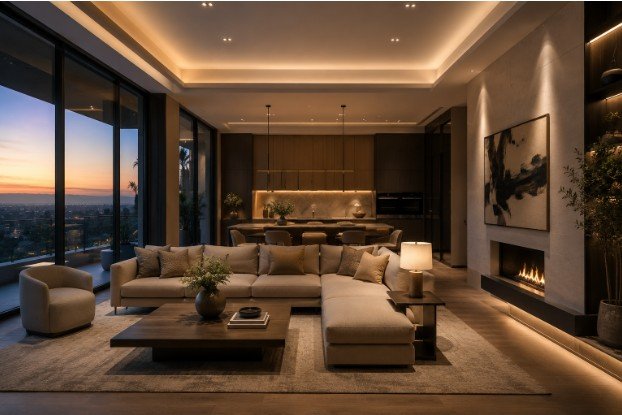
A beautiful kitchen can distract me for five minutes. After that, I want to know what sits behind the walls. I also want to know what can be built next door and what the home will cost each year. That is how I judge what to look for when buying a luxury home. Real luxury should mean quality, privacy, comfort, and lasting value, not just expensive finishes.
Start With What Staging Cannot Hide
When I assess what to look for when buying a luxury home, I begin with parts that cost the most to fix.
Get a Luxury Home Inspection
A basic inspection may miss parts of a large estate. Extra systems can include HVAC zones, pools, generators, elevators, wells, septic systems, and smart controls.
I bring in specialists when needed. That may include a structural engineer, roofer, pool expert, electrician, or septic contractor.
I check roofs, flashing, exterior seals, gutters, grading, drainage, plumbing pressure, windows, ventilation, appliances, cabinetry, and built-in controls. Premium materials mean little when the work behind them is poor.
A beautiful slate roof, for example, does not impress me if bad flashing allows water intrusion. Likewise, costly custom cabinets should have solid construction, smooth hardware, and doors that align correctly.
Check Flood and Radon Risk

Checking what to look for when buying a luxury home also means looking for risks that staging cannot hide.
I search FEMA flood data for the exact address. FEMA says its Map Service Center is the official public source for National Flood Insurance Program flood data.
I also consider a radon test. The EPA recommends testing homes during real estate deals and advises buyers to know the indoor radon level before purchase.
Protect the Location, View, and Privacy
For me, what to look for when buying a luxury home includes what may change outside the lot.
Check Zoning Before Paying for a View
A great ocean, mountain, skyline, or golf-course view can add a huge premium. I never assume that view is protected.
I check local zoning, building height limits, setbacks, easements, and planned projects nearby. A vacant parcel beside the house deserves as much attention as the house itself.
I also confirm what I can add later. Local rules or HOA limits may block a guest house, pool house, sport court, larger garage, or second driveway.
That matters because paying for acreage is less attractive when local rules prevent me from using it as planned.
Visit at Different Times
Privacy can change by the hour. I visit when neighbors are home and traffic is active.
I check views into the property from roads, nearby windows, trails, golf courses, beaches, and empty lots that may later be developed. Landscaping helps, but legally protected privacy is much harder to lose.
Calculate the Real Cost of Ownership

One of the most missed parts of what to look for when buying a luxury home is the cost after closing.
Build a True Monthly Cost
I add property tax, insurance, HOA dues, utilities, yard care, pool service, security, system service, and a repair reserve.
Consider a simple example. A hypothetical $4 million home might have:
$48,000 in annual property taxes, $18,000 in insurance, $12,000 in HOA fees, $36,000 for landscaping, pool care, and security, plus a $40,000 annual maintenance reserve.
That equals $154,000 per year, or about $12,833 per month, before mortgage payments and utilities.
This calculation can change my choice completely. A newer $4.2 million property may cost less to own than an older $3.8 million estate filled with aging equipment.
The IRS says home insurance, HOA fees, utilities, and repairs are generally not deductible on federal taxes. Tax rules can differ, so I would check with a tax professional.
Verify Taxes and Insurance Early
I do not assume the seller’s current tax bill will become mine. Local assessment rules can change the amount after a sale.
I also get an insurance quote early. This matters even more for coastal homes, wildfire zones, hillside properties, swimming pools, guest buildings, and homes with very high reconstruction costs.
Review Financing, Title, and Closing Risk

Financing belongs on my what to look for when buying a luxury home checklist even when the house looks perfect.
Understand Jumbo Loan Needs
FHFA calls mortgages above the local conforming loan limit jumbo loans. Luxury buyers may face different rules for cash reserves, paperwork, appraisals, and pricing.
I compare lenders before becoming emotionally committed to one property. I also keep enough cash after closing for repairs and normal operating costs.
A luxury house should improve my lifestyle, not leave most of my liquid cash trapped in the property.
Review Title and Closing Papers
Large estates can come with shared roads, access rights, utility easements, old restrictions, or boundary disputes.
I want a current survey and detailed title review before closing. I also verify who owns private roads, gates, retaining walls, shared docks, or other features that cross property lines.
The CFPB says closing costs may include appraisal fees, title insurance, government fees, prepaid taxes, insurance, and interest. I compare the Loan Estimate with the Closing Disclosure line by line.
Judge Smart Technology by Reliability

Technology is another key part of what to look for when buying a luxury home.
I ask who installed the home automation system and whether it is still supported. I confirm that passwords, software licenses, apps, and administrator rights transfer to the buyer.
I also test what happens when the internet or power goes down.
Gates, cameras, alarms, lighting, smart locks, and backup power should work together. A fancy touchscreen adds little value if a simple software update requires an expensive specialist.
I also look for healthy home features for luxury homes, such as high-quality air filtration, balanced ventilation, humidity control, low-emission materials, water filtration, and systems that support cleaner, more comfortable indoor living.
Think About Resale Before Falling in Love
I include resale value when deciding what to look for when buying a luxury home because expensive homes often have a smaller buyer pool.
I compare nearby sales based on lot quality, privacy, design, condition, school access, protected views, and neighborhood appeal. Price per square foot can hide major differences between luxury properties.
Natural light, useful layouts, strong architecture, good outdoor space, quality materials, and privacy often attract a wider group of buyers.
Well-planned luxury home guest suite features can also strengthen long-term appeal, especially when they provide privacy, comfortable sleeping space, an en-suite bathroom, useful storage, and flexibility for visiting family or guests.
Highly themed rooms and unusual additions may have the opposite effect.
I also look beyond public listings. Some luxury homeowners prefer private or off-market sales. A well-connected local luxury agent may therefore know about properties that never reach major listing portals.
My 12-Point Luxury Buyer Filter
When I reduce what to look for when buying a luxury home to one practical test, I check structure, roofing and drainage, major systems, environmental risks, zoning, privacy, title, taxes, insurance, financing, technology, and resale demand.
The useful insight comes from seeing how these factors connect.
A hillside view may be stunning. Yet poor drainage, costly insurance, difficult road access, and future construction below the property can change its true value.
That is why I never evaluate one luxury feature in isolation.
FAQs
1. What inspections should I get before buying a luxury house?
Use a general inspector, then add specialists for roofing, structure, HVAC systems, pools, septic systems, wells, elevators, generators, and smart-home equipment when needed.
2. How do I know if a luxury home is overpriced?
Compare recent luxury sales, lot quality, privacy, condition, architecture, repair needs, protected views, and time on market instead of relying only on price per square foot.
3. What hidden costs come with owning a luxury property?
Plan for property taxes, insurance, HOA dues, landscaping, pool service, security, utilities, specialty repairs, household services, and a larger annual maintenance reserve.
4. What to look for when buying a luxury home for long-term value?
Favor strong construction, protected location advantages, useful layouts, manageable running costs, genuine privacy, and features that a broad group of future buyers can enjoy.
Buy the House, Not the Hype
My final test for what to look for when buying a luxury home is simple. Would I still want the property without the staging, sunset photos, designer furniture, and sales language?
I want proven build quality, lasting privacy, clear legal rights, realistic yearly costs, reliable systems, and a strong resale case. Before I make an offer, I would build a property-specific inspection team and let the facts shape the price.